

UEFA Champions League Draw: Dates, Rules, Bracket Logic, and Real Madrid’s Route After the Latest Draw
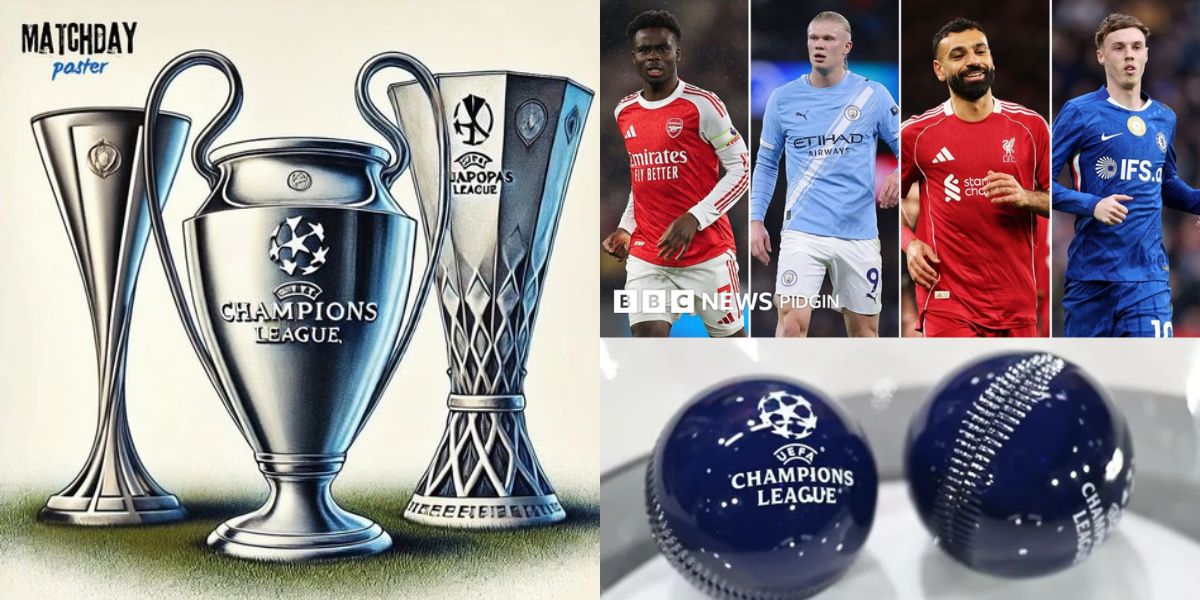
UEFA Champions League Draw: If you’re searching uefa champions league draw, you likely want two things at once: the latest confirmed pairings and a clear explanation of how the draw works (and why some matchups feel “inevitable”). The most important update right now is that the 2025/26 round of 16 draw—alongside the quarter-final and semi-final draws—was held at 12:00 CET on Friday, February 27, 2026 at UEFA’s House of European Football in Nyon, Switzerland.
This guide is built as an evergreen resource for the uefa champions league draw, with enough depth to answer “what happened,” “when is the champions league draw,” and “what happens next” without reading five separate pages. You’ll also see how the draw impacts bracket routes, why certain clubs get structural advantages, and what the real madrid champions league draw means in practical football terms—not just headline terms.
The Latest UEFA Champions League Draw Results (Round of 16 + Bracket Route)
The current uefa champions league draw produced the round of 16 ties and also mapped the quarter-final and semi-final paths. The official UEFA list of last-16 matchups includes: Paris Saint-Germain vs Chelsea, Galatasaray vs Liverpool, Real Madrid vs Man City, Atalanta vs Bayern, Newcastle vs Barcelona, Atlético de Madrid vs Tottenham, Bodø/Glimt vs Sporting CP, and Leverkusen vs Arsenal.
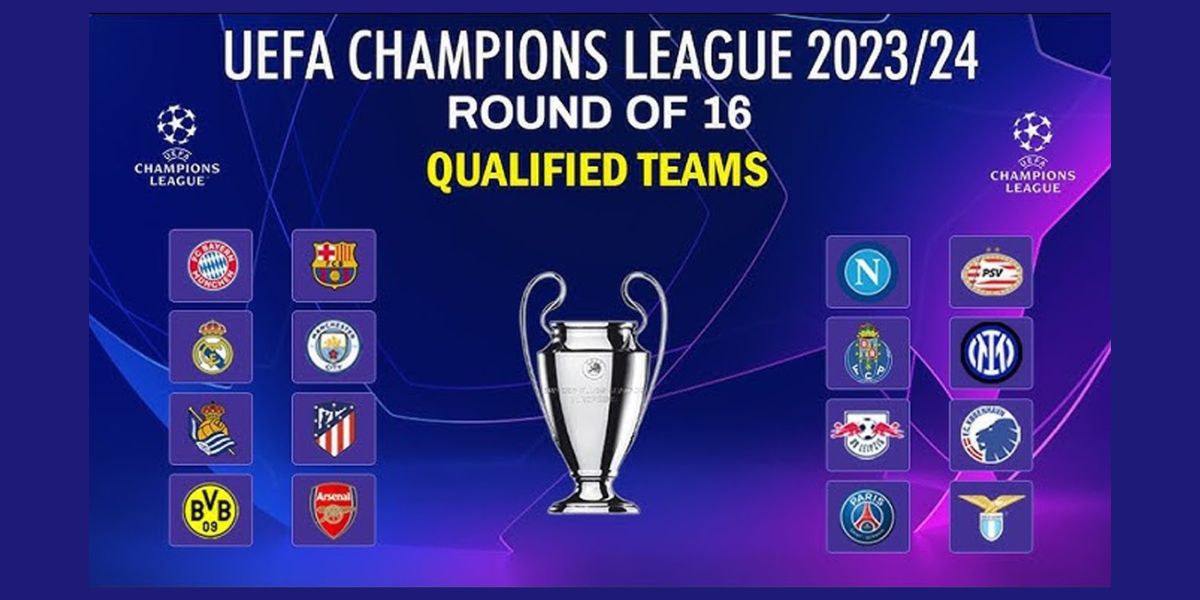
UEFA also published the quarter-final pairings as a bracket-style route (winners advancing into pre-set QF ties), which is a major shift in how fans should think about the champions league draw. Instead of “we’ll see later,” you can model probable pathways immediately after the draw—helpful for forecasting fixtures, travel, rotation risk, and even the psychological weight of “who’s waiting next.”
When Is the Champions League Draw, Exactly? The Key Dates That Matter Most
People ask when is the champions league draw because UEFA now stages multiple draws across the season: the league phase, the knockout play-off, and then the last-16/quarter/semi draw moment that effectively shapes the rest of the tournament. For 2025/26, the round of 16, quarter-final, and semi-final draw took place on February 27, 2026 (12:00 CET), with the draw streamed on UEFA platforms.
What happens after the draw is just as important as the draw date itself. ESPN’s schedule summary lists the remaining match windows: Round of 16 (March 10–11 and March 17–18), Quarter-finals (April 7–8 and April 14–15), Semi-finals (April 28–29 and May 5–6), Final (May 30 in Budapest). These windows are your planning backbone for content calendars and matchday coverage tied to the uefa champions league draw.
How the New-Format Champions League Draw Works (And Why It Feels Different)
The modern uefa champions league draw is built around the league phase and the knockout play-offs feeding into the last 16. UEFA’s official description is straightforward: the top eight from the league phase are seeded for the round of 16, and the eight knockout play-off winners join them to complete the last-16 lineup. That’s the structural logic; the emotional logic is that being top-eight isn’t just prestige—it changes the probability landscape.
The second big difference is bracket visibility. UEFA’s documentation and the resulting bracket show that the draw is constrained: top-eight teams are slotted and opponents are often reduced to a small set of possibilities, which is why fans sometimes feel the champions league draw is “predictable.” It isn’t scripted—but it is bounded by seeding and pre-defined pairings, which shrinks randomness and increases repeat clashes among elite clubs.
Seeded vs Unseeded: The Real Competitive Edge Hidden Inside the Draw
In the uefa champions league draw, “seeded” is not a ceremonial label—it’s a competitive advantage that shows up in match management. UEFA confirms that the league-phase top eight are seeded in the round-of-16 draw, and in practice that translates into meaningful benefits such as hosting the second leg at home, which can influence game state, risk appetite, and substitution strategy.
UEFA also listed the seeded teams for this draw (based on league-phase ranking): Arsenal, Bayern München, Liverpool, Tottenham, Barcelona, Chelsea, Sporting CP, Man City. When readers ask when is the champions league draw, they’re also implicitly asking “when do we learn who got the edge?”—because once seeding is confirmed, you can start projecting how clubs might pace domestic fixtures around Europe.
The Real Madrid Champions League Draw: Why This Tie Is a Headline Magnet
The real madrid champions league draw outcome is the kind of pairing that instantly dominates global coverage: Real Madrid vs Manchester City in the round of 16. UEFA’s official draw list confirms the matchup, and major outlets framed it as the marquee tie because these clubs have met repeatedly in recent seasons, turning it into a modern Champions League rivalry.
Strategically, this is where “draw” becomes “scenario planning.” A heavyweight tie early changes everything: rotation patterns, injury risk management, and even transfer-window narratives around squad depth. If your content strategy targets uefa champions league draw queries, the Real Madrid angle is high-intent: readers aren’t only asking who they face; they’re asking what it does to Madrid’s route, Madrid’s margins, and Madrid’s calendar.
Why Some Teams “Always” Seem to Get Each Other in the Champions League Draw
When fans complain the champions league draw feels repetitive, they’re reacting to probability under constraints. With seeding, fixed-bracket logic, and a limited set of eligible opponents, elite clubs often collide again—especially when multiple teams from the same leagues cluster in the top tier and repeatedly qualify deep into the tournament. UEFA’s description of the draw procedure makes clear that the opponent pool can be narrow for top sides.
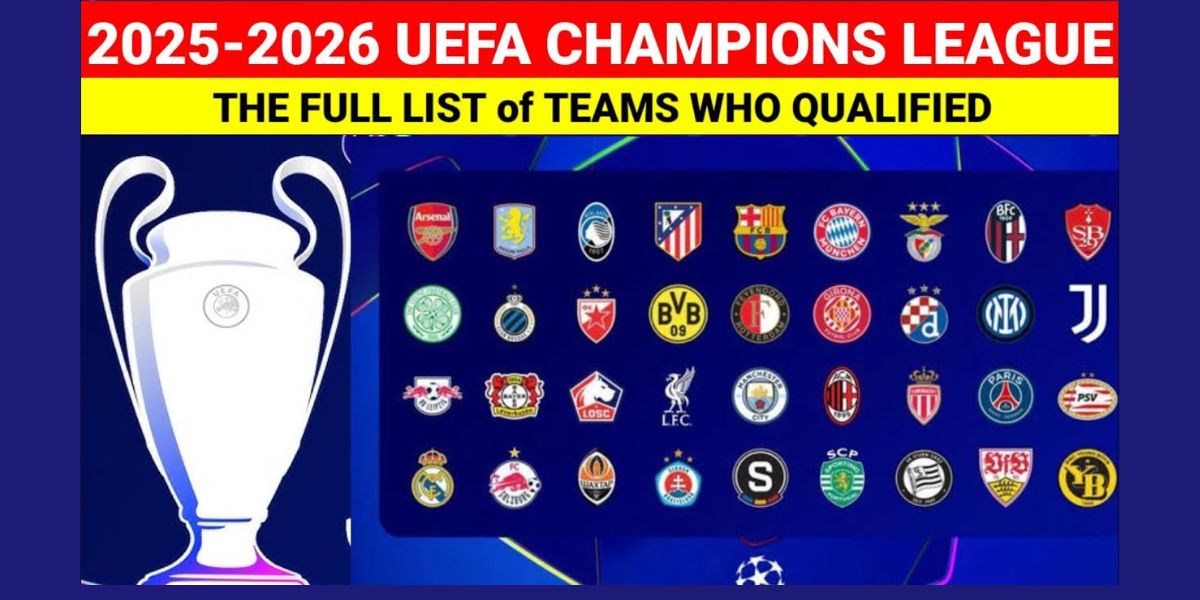
That’s also why the same matchups become “brands.” Real Madrid vs Man City is a perfect example: two teams with consistent European ambitions and squad quality, repeatedly arriving at the same tournament stage. The uefa champions league draw isn’t making that happen alone; sustained excellence compresses the field over time, and the draw simply reveals the next collision point.
A Clear, Usable Table: Every Draw Type, What It Decides, and Why It Matters
The most practical way to understand the uefa champions league draw is to separate each draw event by what it actually “locks in.” This is where many articles fail: they mention a draw date but don’t explain the decision scope, which leaves readers re-searching “when is the champions league draw” for each stage.
| Draw event | What it decides | Who is involved | How much randomness exists | Why fans care most |
|---|---|---|---|---|
| League phase draw | Schedule and league-phase opponents | All qualified teams | Moderate | Sets early difficulty and travel burden |
| Knockout play-off draw | Pairings for play-off round | Teams outside top eight | Moderate | Determines who even reaches last 16 |
| Round of 16 + QF + SF draw | Last-16 ties and full route to final | Top eight + play-off winners | Lower (bounded) | Locks the bracket narrative instantly |
Done right, this table becomes a “bookmark section” in an SEO article—keeping users on-page longer because it solves the recurring intent behind champions league draw searches: “Tell me what this draw actually changes.” It’s also a content-engine for publishers: each row supports a dedicated explainer, a live blog template, and a post-draw tactical preview pipeline.
How to Watch and Verify the Draw (So You’re Not Relying on Rumors)
Because misinformation spreads fast on draw days, an authoritative uefa champions league draw article should tell readers where official confirmation lives. UEFA stated the draw “was streamed live on UEFA.com and the official UEFA Champions League app,” which is the cleanest primary-source verification method for both results and the bracket route.
Here’s the quote you can safely use for credibility without turning the page into a press release: “The draw was streamed live on UEFA.com and the official UEFA Champions League app.”
That line matters because it teaches readers a habit: if you care about the champions league draw, go to a primary source first, then use media coverage for analysis—not for basic facts.
Round of 16 Timing: What the Post-Draw Calendar Means for Fans and Clubs
Once the uefa champions league draw is set, the next wave of searches shifts from opponents to dates and legs. The round of 16 is played over two weeks in March, with first legs and return legs separated by a short domestic window—meaning managers must juggle load, injuries, and travel with minimal recovery time. ESPN’s competition date list is a solid high-level reference for this planning view.
This is also where home advantage becomes tangible. The seeded teams (league-phase top eight) are typically positioned to host the second leg, which shapes tactics in the first leg: away sides often aim to keep the tie “alive,” while home sides can plan for decisive moments with crowd energy in the return fixture. That’s why “when is the champions league draw” is really a question about control—the draw defines who controls the second-leg environment.
Quarter-Final and Semi-Final Pathways: The Bracket Storyline Starts Immediately
UEFA published quarter-final pairings as part of the same draw moment, which means your bracket narrative starts now, not later. For example, UEFA’s quarter-final mapping includes winner-vs-winner links such as Real Madrid/Man City vs Atalanta/Bayern and Newcastle/Barcelona vs Atleti/Tottenham, giving every fanbase a concrete “if we win, then…” storyline.
From a content and engagement standpoint, this is gold: bracket clarity increases debate, prediction content, and long session time. The uefa champions league draw becomes less about a single opponent and more about perceived destiny—“hard side of the bracket” versus “clearer path”—which is exactly the kind of emotional framing that keeps audiences coming back between matchweeks.
Tactical Implications: Why the Draw Changes How Matches Are Played
The best uefa champions league draw analysis doesn’t just name opponents—it explains what styles collide. Draw outcomes can force a team to abandon its domestic habits: high lines become dangerous against elite transition sides; possession becomes riskier when turnovers are punished instantly. The draw therefore shapes tactical trade-offs months before a ball is kicked, because coaches start building match plans in parallel with league obligations.
It also changes substitution economics. In a two-legged tie, the “value” of a late goal is asymmetrical depending on leg and location, and the seeded/unseeded home sequence affects how aggressive teams can be. This is why serious fans search champions league draw even when they already know the opponent: they want the tactical forecast, not the headline repeat.
Real Madrid vs Man City: The Matchup Within the Matchup
The real madrid champions league draw against Manchester City is, on paper, a clash of squad depth, game control, and execution under pressure. It’s also a psychological rivalry now—recent high-stakes meetings create emotional memory, and emotional memory changes how players interpret moments (a missed chance feels heavier, a conceded goal feels louder). That’s one reason this tie dominates global interest: it’s never “just another match.”
For readers optimizing their own understanding: focus on controllables. Madrid will aim to manage City’s sustained pressure phases while maximizing high-value transitions; City will aim to reduce Madrid’s counter space and force them into longer defensive sequences. The uefa champions league draw doesn’t decide who wins—but it decides what type of football the next month will demand from each squad.
Why the Round of 16 Draw Is the Biggest “Traffic Moment” of the UCL Season
The round of 16 stage is where casual viewers become committed viewers, because the ties are easy to understand and the stakes are immediate. UEFA’s draw event in Nyon also bundles the quarter-final and semi-final route, which amplifies attention: a fan learns not only “who we play,” but “who we might play next,” and that multiplies emotion.
This is why “when is the champions league draw” spikes so sharply in the days before the event: it’s one of the few calendar moments that reshapes the tournament narrative in one hour. Publishers that answer it clearly—date, time, location, watch method, and what’s being drawn—earn trust and repeated visits across the remaining match windows.
How to Build Your Own “Route to the Final” After the Draw
A high-value way to use the uefa champions league draw is to build scenario trees instead of single predictions. Start by identifying the tie difficulty, then the quarter-final projection, then the semi-final style matchups. Because UEFA has already mapped the QF/SF bracket route from the draw, you can do this with far fewer assumptions than in older seasons.
For fans, this turns anxiety into clarity; for analysts, it turns narrative into planning. You can estimate travel intensity, fixture congestion pressure, and where a team might need “Plan B” tactical flexibility. In other words, the champions league draw becomes a strategic document, not just a list of opponents.
Misconceptions About the Champions League Draw (And the Accurate Fixes)
One misconception is that the uefa champions league draw is purely random. In reality, randomness exists within rule-based constraints: seeding, bracket placement logic, and pre-defined possible opponents reduce uncertainty. That’s not corruption—it’s tournament design aimed at rewarding league-phase performance and producing a coherent bracket.
Another misconception is that the draw “doesn’t matter until the match.” It matters immediately because it changes priorities. A club facing a brutal European tie may rotate domestically sooner; a club with a seemingly manageable path might go all-in on Europe. The draw influences decision-making weeks ahead, which is why uefa champions league draw content stays evergreen beyond the draw day itself.
How Search Intent Works Here: What People Really Mean by “UEFA Champions League Draw”
In SEO terms, uefa champions league draw is a blended-intent keyword. Some users want “results now,” others want “rules,” and others want “dates.” The winning content format is a hybrid: lead with confirmed outcomes, then explain procedure, then provide actionable dates. UEFA’s official posts cover results and procedure; your article adds the interpretive layer that keeps users reading.
This also explains why the keyword variants matter. “champions league draw” is broader and can refer to any stage; “when is the champions league draw” is schedule-led; “real madrid champions league draw” is club-led and usually implies opponent + route to final. If your page covers all three naturally, it captures more SERP real estate and reduces bounce.
Conclusion: What to Remember Right Now
The core takeaway is simple: the latest uefa champions league draw happened on February 27, 2026, and it didn’t just set the last-16 ties—it also clarified the quarter-final and semi-final routes, giving fans a full bracket narrative immediately. The headline matchup is the real madrid champions league draw against Manchester City, a tie confirmed by UEFA and treated as the marquee collision by major broadcasters.
If you only remember one practical point, make it this: when someone asks when is the champions league draw, they’re really asking “when do we learn the structure that changes everything?” The draw is the moment the tournament turns from “who’s good” into “who can survive this path,” and that shift is why draw coverage—done well—earns attention all the way to Budapest on May 30.
FAQ
When is the Champions League draw for the round of 16?
For 2025/26, the major uefa champions league draw that set the round of 16 (and also the quarter-final and semi-final routes) took place on Friday, February 27, 2026 at 12:00 CET.
What does “UEFA Champions League draw” usually include now?
In the current format, the key uefa champions league draw moment can include the round of 16 plus the bracket route through the quarter-finals and semi-finals, so fans learn not only opponents but the path ahead.
Why does the Champions League draw feel less random than before?
The champions league draw is constrained by seeding and fixed-bracket logic, meaning elite clubs often have a limited set of possible opponents rather than an open pool.
What was the real madrid champions league draw in 2025/26?
The real madrid champions league draw produced Real Madrid vs Manchester City in the round of 16, one of the headline ties confirmed in UEFA’s official draw list.
When are the Champions League round of 16 matches played after the draw?
After the uefa champions league draw, the round of 16 is scheduled across March 10–11 and March 17–18, 2026, followed by later rounds in April and May.