

RDR 3: 10 Dark, Thrilling, Can’t-Miss, Legendary Story Paths Rockstar Could Take
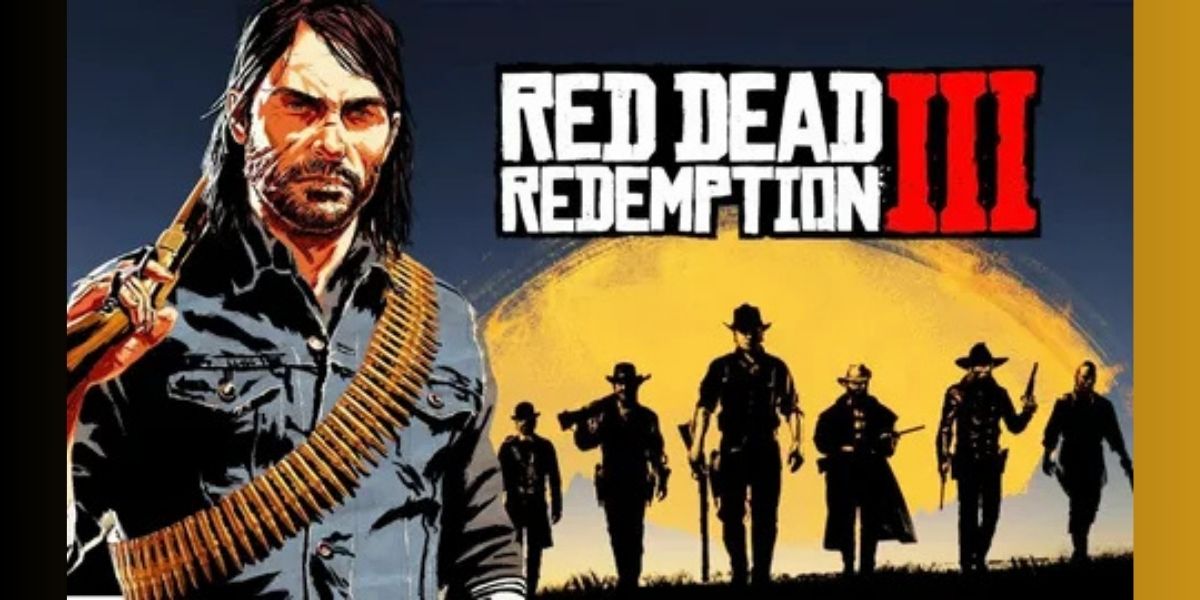
RDR 3: If you’re searching rdr 3, you’re probably trying to separate reality from noise. That’s harder than it should be because the internet treats “not announced” like a temporary inconvenience, while Rockstar treats it like a strategy: say nothing until the moment they want the entire industry’s attention. The result is predictable—endless “confirmed” thumbnails, recycled rumors, and a fan base that keeps refreshing for a logo that hasn’t arrived.
This guide is built to be the one page that stays useful even when headlines change. You’ll get the clean official status, the strongest credible signals we can responsibly discuss, how to evaluate leaks without getting played, and what the most realistic timeline looks like given Rockstar’s known development cadence and current priorities. Where claims are uncertain, they’re labeled as such—because the fastest way to destroy trust is to treat wishful thinking as fact.
The One Fact That Matters Most: RDR 3 Is Not Officially Announced
As of March 2026, Rockstar Games has not publicly announced rdr 3 with a trailer, release date, platforms, or a formal press release. Reputable coverage aimed at explaining the situation to general audiences continues to state that neither Rockstar nor publisher Take-Two has divulged official plans for a third Red Dead Redemption title.
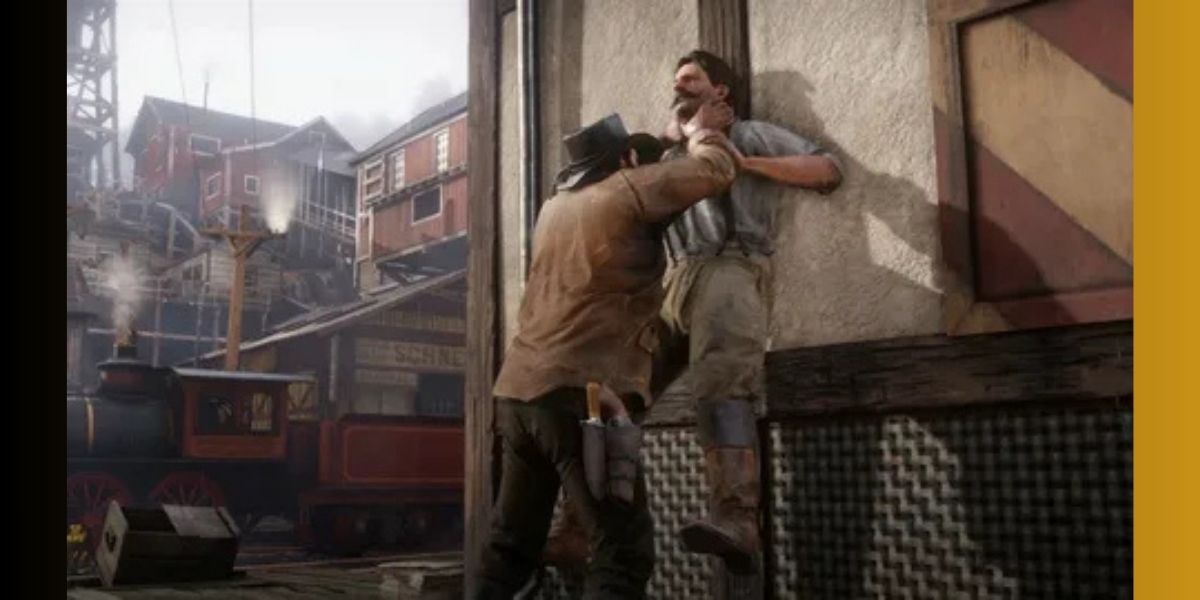
That “not announced” status is not a small detail; it’s the boundary between verified information and speculation. It means there is no official title card, no product page, no ESRB/PEGI entry, no investor-slide reveal that can be pinned down as confirmation. Everything beyond “not announced” must be treated as inference, rumor, or commentary, even if it sounds plausible.
Why “Not Announced” Doesn’t Mean “Not Happening”
In blockbuster AAA publishing, “not announced” often just means “not ready to be marketed.” Rockstar’s biggest releases are treated like cultural events, and the company historically avoids early confirmation until it can control the narrative at maximum scale. That’s why the absence of a reveal does not automatically imply rdr 3 is dead; it implies Rockstar is silent, which is normal.
At the same time, silence can be misused by content farms. When there’s no official statement to contradict them, they can claim anything and still collect clicks. Your job as a reader is not to guess whether Rockstar is secretly working—it’s to recognize that a lack of official announcement is precisely what makes this topic profitable for misinformation.
The Strongest Public Clue: “The Franchise Will Continue” Language
The most meaningful “signal” about the future is not a leak; it’s how Take-Two executives have historically talked about major franchises. In mainstream reporting that revisits these comments, Strauss Zelnick is quoted framing Red Dead as a franchise with long-term endurance—an “if it’s really, really great it will keep going” type of stance, using language that positions top brands as lasting properties.
That still isn’t a confirmation of rdr 3. It’s corporate framing: a publisher saying a successful IP is valuable and could continue under the right conditions. But it does matter because it makes “another Red Dead someday” a rational assumption, even if “soon” remains unlikely.
Dan Houser’s 2025 Comment: “Probably Will Happen,” With a Caveat
One of the most widely cited modern comments comes from Dan Houser, Rockstar co-founder and lead writer on the Red Dead duology, who said a third entry “probably will happen,” while also expressing sadness because he viewed the existing story as a “cohesive two-game arc.”
This is important for two reasons. First, Houser’s words carry narrative credibility—he understands the arc and why it feels complete. Second, his phrasing is not an announcement; it’s a prediction based on commercial logic. He is essentially acknowledging that popularity and business incentives can push a franchise forward even when the original creative “closure” feels real.
The Biggest Timeline Constraint: Rockstar’s Near-Term Focus Is GTA VI
If you want a reality-based estimate for rdr 3, you have to start with Rockstar’s pipeline. Major reporting and investor coverage show Take-Two and Rockstar focusing attention and forecasts on Grand Theft Auto VI, with release timing itself being a hot topic in recent years.
Even if a future Red Dead project exists in some stage, Rockstar’s track record suggests that the studio’s largest teams concentrate on the next flagship release and the long tail that follows it. That means the practical window for a major Red Dead reveal is unlikely to overlap heavily with GTA VI’s final marketing ramp and launch-year live operations.
What “In Development” Usually Means in Rockstar-Speak
A frequent mistake is assuming “in development” means “a trailer is coming.” At Rockstar scale, a project can be “in development” as early concept work, narrative exploration, or technical R&D long before it reaches full production. That’s why claims like “most likely in development” from former staff or commentators can be simultaneously plausible and unhelpful for timing.
For rdr 3, the more meaningful question is not “is it being discussed internally?” but “is it staffed at scale?” and “has it entered a phase where marketing planning becomes rational?” Those are the hidden milestones that turn a hypothetical project into something you can sensibly date.
How to Judge Leaks Without Getting Played
Because rdr 3 is unannounced, leak culture thrives. The safest approach is to evaluate claims through three filters: track record, specificity, and falsifiability. Track record means the source has been right on verifiable items before. Specificity means the claim includes details that could later be proven wrong. Falsifiability means the claim isn’t vague enough to “always be true” no matter what happens.
A key red flag is the “confirmed details” video loop that cites no primary sourcing and offers only broad guesses like “early 2030s.” That content can be entertaining, but it is not evidence. If a rumor can’t be pinned to a document, a credible journalist, a regulatory filing, or an internal asset with provenance, it should be treated as a story, not a fact.
Why “Confirmed” Headlines Keep Appearing
You’ll see articles and videos claiming rdr 3 is “confirmed,” often pointing to vague corporate statements or misinterpreting investor language. Some outlets even aggregate those claims into “fact checks,” explicitly concluding that Rockstar has not confirmed the game.
This happens because “confirmed” is a high-intent keyword and Red Dead is a high-trust brand. The combination generates clicks. If you’re building content yourself, the long-term SEO win comes from being the page that says “here’s what’s actually known,” not the page that overpromises and later gets corrected.
Release Window Reality: What’s Plausible and What’s Fantasy
A realistic view of rdr 3 timing has to respect Rockstar’s production timelines. Red Dead Redemption 2’s development was long and complex, and major publishers have increasingly taken more time—not less—to ship open-world flagships. That’s why near-term windows often floated by social media (like “next year”) should be treated as fantasy unless Rockstar announces it.
The more credible framing is “after GTA VI has shipped and stabilized,” which could mean several years, depending on Rockstar’s post-launch strategy and how quickly large teams can be reassigned. That doesn’t lock a date, but it does place the likely window into a later part of the decade rather than the immediate future.
What the Name Could Even Be: “Red Dead” vs “Redemption”
Another subtle point: even if the next game exists, it might not be titled exactly rdr 3. Dan Houser’s “cohesive two-game arc” comment hints that the “Redemption” story might feel complete, suggesting that a continuation could shift toward a new subtitle or a new thematic frame.
That matters for SEO and expectation management. Fans tend to label anything “RDR3,” but Rockstar could position the next installment as a new Red Dead saga rather than a direct “Redemption” sequel. If you’re watching for official signals, don’t watch only for “Redemption 3”—watch for “Red Dead” branding more broadly.
Story Direction Scenarios That Fit the Franchise DNA
When fans talk rdr 3, they usually argue about protagonists: another prequel, another epilogue, a new gang, or a new region. The franchise’s DNA supports multiple directions because “Red Dead” is a world and a tone, not just a timeline. The two existing games proved Rockstar can tell a complete arc while still leaving room for adjacent stories.
The best story scenarios are the ones that preserve what made the series elite: moral ambiguity, character-driven tragedy, and the tension between frontier myth and modern consequences. A game that exists only to “continue the plot” would miss the point. A game that uses the world to tell a new redemption-themed story could feel spiritually consistent even with a different lead.
The Setting Question: How Late Is Too Late for the Wild West?
A practical constraint on rdr 3 is historical drift. Red Dead Redemption already explores the end of the outlaw era, and Red Dead Redemption 2 pushes earlier to keep the West “alive.” If the series moves later, it risks becoming more industrial, more modern, and less frontier—potentially losing the vibe fans want.
That tension is why many story theories gravitate toward earlier time periods or adjacent regions. The series works best when the world still feels partially untamed, and when the themes—law, progress, decay, loyalty—can be embodied in the landscape itself, not just in dialogue.
The Technology Question: What Rockstar Would Want to Improve
Modern Rockstar flagships are judged on systems, not just missions. If rdr 3 exists, Rockstar will likely want meaningful leaps in NPC behavior, systemic crime and consequence, emergent encounters, and traversal realism without friction fatigue. These are the areas where open-world games still feel “gamey” rather than lived-in.
There’s also a strategic reason to wait: Rockstar benefits when it can ship a step-change, not a minor iteration. If the next Red Dead doesn’t feel like a generational leap from RDR2’s baseline, it risks feeling unnecessary. This is another reason the timeline is likely long—Rockstar doesn’t rush prestige.
Single-Player vs Online: The Question Fans Actually Care About
When people type rdr 3, a lot of the emotion hides a second question: “Will Rockstar prioritize single-player again?” Red Dead Redemption 2 earned massive acclaim for its story and world design, but the broader industry trend has favored ongoing online monetization. That makes fans anxious about what gets resourced.
Rockstar can do both, but tradeoffs are real. If the next game is built to support a long-lived online ecosystem, design choices may shift toward repeatable loops and scalable content. If it’s built to maximize narrative impact, the single-player experience becomes the core product again. The best outcome is alignment—online that complements the world without consuming the soul of it.
PC and Platform Strategy: What to Expect in a Future Launch
Rockstar’s platform strategy has historically been staged, and the industry’s economics suggest platform planning is a major part of timing. If rdr 3 is a future flagship, it will likely target the then-current console generation first, with PC strategy depending on Rockstar’s broader release model at that time.
The key point is that platform speculation is largely noise until announcement. Still, it’s rational to expect a major Red Dead entry to be treated as a premium, cross-platform event, because that’s how Take-Two maximizes revenue over a long lifecycle.
A Practical “Credibility Checklist” for RDR 3 News
If you want to stay informed without getting dragged by hype, look for a few concrete signals: Rockstar domain/product pages, a Take-Two earnings deck that explicitly names a product, a ratings board listing, or a verified press release through Rockstar/2K channels. Random social posts and anonymous “insider” claims should be treated as entertainment until they attach to something tangible.
You can also watch reputable outlets that cite primary materials. For example, Reuters coverage of Take-Two frequently focuses on bookings, release timing, and the scale of blockbuster development, which is useful context even when it doesn’t name a future Red Dead game directly.
Table: What We Know, What We Don’t, and What’s Reasonable to Assume
Below is a structured summary designed to end the confusion quickly. It separates verified facts from reasonable inferences and high-risk speculation.
| Category | Verified as of March 2026 | Reasonable inference | High-risk speculation |
|---|---|---|---|
| Official announcement | No official rdr 3 announcement from Rockstar/Take-Two | A future Red Dead project is plausible given franchise value | “Confirmed” release date windows with no primary sourcing |
| Creative continuity | Houser calls the duology a cohesive arc and says a third “probably will happen” | Next entry could shift protagonists/structure to avoid breaking the arc | Direct continuation that rewrites established closure without tonal cost |
| Timing | GTA VI is the near-term focal point in public forecasting | Major Red Dead marketing likely follows GTA VI stabilization | “Next year” style claims during GTA VI ramp |
| Development claims | Ex-staff/industry commentary suggests “most likely” work exists, but vague | Early planning can occur years before reveal | “Playable build leaked” claims without assets |
This table is the safest way to talk about rdr 3 without overstating what’s known. It also helps content creators avoid the credibility trap of presenting inference as confirmation.
The One Quote That Best Frames the Situation
Dan Houser’s quote is the cleanest lens for the entire conversation because it captures both commercial reality and narrative caution. He essentially argues that a third game is likely because of popularity, while also emphasizing the emotional completeness of the existing arc.

That quote matters because it gives fans a mature framework: you can want more Red Dead while acknowledging that “more” carries creative risk. It’s a healthier approach than treating rdr 3 as inevitable perfection or inevitable disaster.
What to Do While Waiting: The Smart Fan’s Playbook
If your goal is to enjoy the franchise rather than refresh rumor feeds, the best move is to deepen your relationship with what already exists. Replay with different honor paths, explore slow systems you skipped, or revisit story beats with fresh eyes. Red Dead worlds are designed for second passes because the writing rewards attention.
If your goal is to stay updated, set rules for yourself: only treat a claim as “real” if it comes from Rockstar/Take-Two official channels, or from top-tier reporting that cites verifiable materials. That way, rdr 3 becomes an anticipation story you control, not a hype cycle that controls you.
Conclusion
The honest status of rdr 3 in March 2026 is simple: it is not officially announced, but it remains a plausible future project given how Take-Two frames enduring franchises and how even the series’ lead writer predicts continuation due to popularity. That’s not a contradiction—it’s how blockbuster entertainment works at this scale.
The smart expectation is “later, not soon,” largely because Rockstar’s near-term focus is dominated by its next flagship cycle and the reality that modern open-world games take longer to build than fans want. If you want to be ahead of the noise, anchor on official signals, treat rumors as unverified until proven, and remember that the best Red Dead stories were never rushed.
FAQ
Is RDR 3 officially confirmed by Rockstar?
No rdr 3 has not been officially announced by Rockstar, and reputable coverage continues to state there are no disclosed official plans from Rockstar or Take-Two.
Did Dan Houser say RDR 3 will happen?
Dan Houser said a third game “probably will happen,” but framed it as a prediction and expressed that the existing story is a cohesive two-game arc, which is not the same as an official announcement of rdr 3.
When could RDR 3 realistically release?
There is no official date, and any release window for rdr 3 is speculative; a realistic framework places major Red Dead marketing after Rockstar’s GTA VI cycle stabilizes.
Why are there so many “RDR 3 confirmed” headlines?
Because rdr 3 is unannounced, click-driven content can misuse vague corporate statements; multiple “fact check” style sources explicitly note Rockstar has not confirmed it.
Could the next game be Red Dead but not “Redemption 3”?
Yes, it’s plausible; Houser’s comments about the duology’s cohesive arc suggest Rockstar could continue the broader Red Dead universe without labeling it exactly rdr 3 in the “Redemption” sense.
What’s the most credible way to track real RDR 3 news?
Treat rdr 3 news as credible only when it comes from Rockstar/Take-Two official channels or top-tier reporting tied to verifiable materials; avoid anonymous “insider” claims that can’t be checked.