


Lunar New Year 2025 Animal: Year of the Wood Snake Meaning, Dates, Traits & Traditions
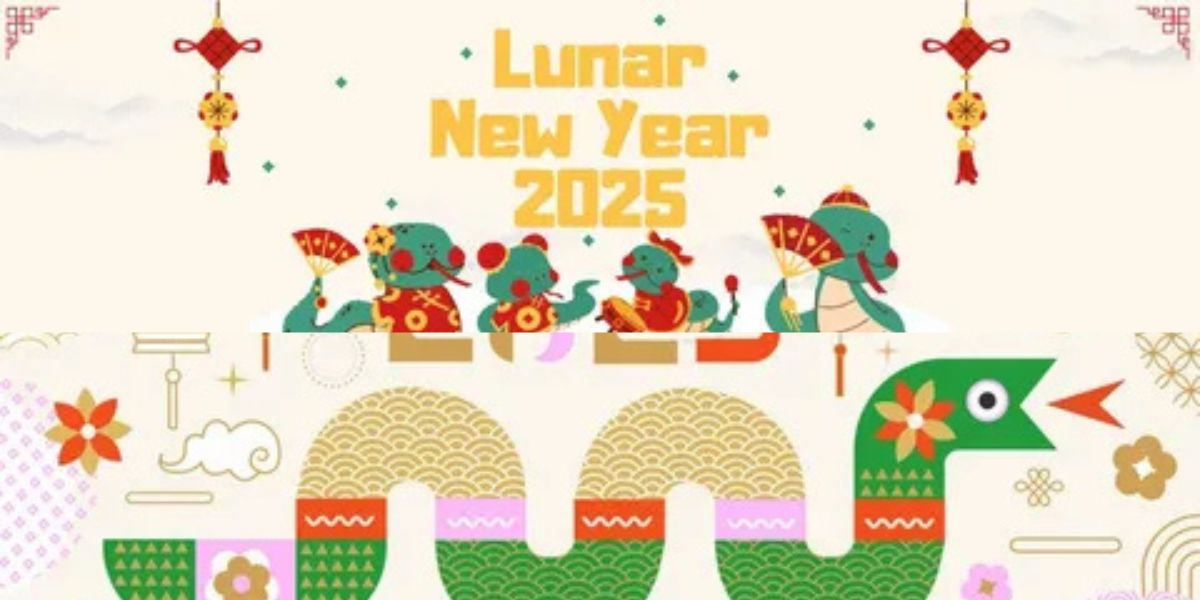
Lunar new year 2025 animal: If you’re searching for the lunar new year 2025 animal, you’re not just looking for a single word like “Snake.” You’re looking for context: what that animal represents, when the zodiac year actually starts, how traditions connect to meaning, and what people do with that information—at home, in communities, and increasingly in global culture.
Lunar New Year is also one of those rare annual moments where mythology, calendar science, family ritual, and modern identity all overlap. The result is a celebration that feels personal even when you’re simply attending a parade, exchanging greetings, or seeing snake imagery appear in art, branding, and public festivals around the world.
What Is the Lunar New Year 2025 Animal, Exactly?
The lunar new year 2025 animal is the Snake, and 2025 specifically aligns with the Wood Snake in the traditional Chinese zodiac framing. This matters because “Snake” answers the headline question, but “Wood Snake” answers the deeper one—why 2025 has a distinct flavor compared with other Snake years.
In practice, when people say “Year of the Snake,” they’re referring to the zodiac animal that governs the lunar year cycle, not the January-to-December Gregorian year. The zodiac animal changes at Lunar New Year, which is why someone born in early January can have a different zodiac animal than someone born in February of the same Gregorian year.
The Wood Snake Explained: Animal Sign Plus Elemental Logic
Calling 2025 the Wood Snake adds a second layer to the zodiac animal: the Five Elements framework (often summarized as Wood, Fire, Earth, Metal, Water). This is part of a longer cycle where animal signs repeat every 12 years, while the element pairing creates a 60-year rhythm that makes each year’s “profile” more specific than animal symbolism alone.
A useful way to think about it is brand identity versus brand campaign. The Snake is the enduring identity—associated with perception, strategy, and transformation—while Wood changes the campaign tone, leaning toward growth, flexibility, learning, and relationship-building. That’s why many cultural explainers describe the Wood Snake as a year that rewards patience, refinement, and deliberate progress rather than loud, impulsive momentum.
Dates That Matter: When the Snake Year Begins and Why It Moves
The lunar new year 2025 animal becomes relevant on the day the lunar year begins, which in 2025 is January 29. This is a key point for anyone planning content calendars, school activities, community events, travel, or product campaigns: the zodiac year is tied to the lunisolar calendar, so it shifts each year on the Gregorian calendar.
Traditionally, celebrations extend beyond New Year’s Day, building through family gatherings and public festivities and culminating at the Lantern Festival. In 2025, the Lantern Festival falls on February 12, marking the close of the main festival period in many communities. The dates don’t just matter for scheduling; they shape what people emotionally experience as “the season,” which is why Lunar New Year often functions like a multi-week narrative rather than a single-day holiday.
What the Snake Symbolizes and Why It’s Often Misread
In many Western pop-culture contexts, snakes are flattened into a single meaning: danger or deceit. Lunar New Year symbolism is richer and more contradictory in a realistic way—snakes can represent caution and hidden risk and intelligence and renewal. The “shedding skin” metaphor is common for a reason: it’s an intuitive image of transformation that doesn’t require anyone to share the same beliefs about fate.
Academic and cultural commentary often highlights this duality. For example, one explainer notes the snake’s association with yin and layered meanings in Chinese tradition—where interpretations can swing from auspicious wisdom to darker folklore depending on the context. For readers and creators, the strategic takeaway is simple: avoid a single “snake = X” statement and instead present the Snake as a symbol with multiple, culturally grounded readings.
How Traditions Connect to Meaning (Beyond the “Fun Facts”)
Lunar New Year customs aren’t random; they’re social technology—practices designed to reduce friction, renew relationships, and set a shared tone for the year. Cleaning and preparing spaces, gathering for reunion meals, giving red envelopes, decorating with auspicious colors, and exchanging blessings all work together as a practical system: close the year, reset the home, reinforce family ties, and enter the next cycle with intentionality.
In a Snake year, people naturally lean into traditions that mirror the animal’s “quiet strength” framing: thoughtful gift-giving, careful wording, and building harmony without forcing outcomes. This isn’t about superstition as much as it’s about timing. The holiday creates a socially sanctioned window for reconciliation, gratitude, and recommitment—and that’s why it stays powerful even for people who treat zodiac language as cultural heritage rather than literal prediction.
Wood Snake Themes for 2025: A Practical, Non-Mystical Translation
If you want a grounded way to interpret the lunar new year 2025 animal without turning it into deterministic fortune-telling, translate symbolism into behavior. Snake symbolism typically points to observation, strategy, and patience; Wood points to growth, learning, and adaptive planning. Put together, the Wood Snake is a useful story-model for people who want to make better decisions: gather information, reduce noise, and improve systems before chasing scale.
A simple business analogy makes this tangible. In loud years, the winners are often the fastest movers; in quieter years, the winners are often the best editors—teams that streamline operations, fix weak messaging, and choose a few high-leverage bets. Whether you’re planning a career change, launching a product, or rebuilding a routine, the Wood Snake lens nudges you toward disciplined iteration: test, refine, and expand only after the fundamentals are stable.
If You Were Born in a Snake Year: Traits, Strengths, and Watchouts
People commonly look up zodiac traits around Lunar New Year because it creates a natural moment for self-reflection. Snake-associated strengths are usually described as perceptive thinking, calm composure under pressure, and a preference for privacy over performance. In real-life terms, that can show up as strong research instincts, good negotiation skills, and the ability to read a room—especially when others are distracted by surface-level noise.
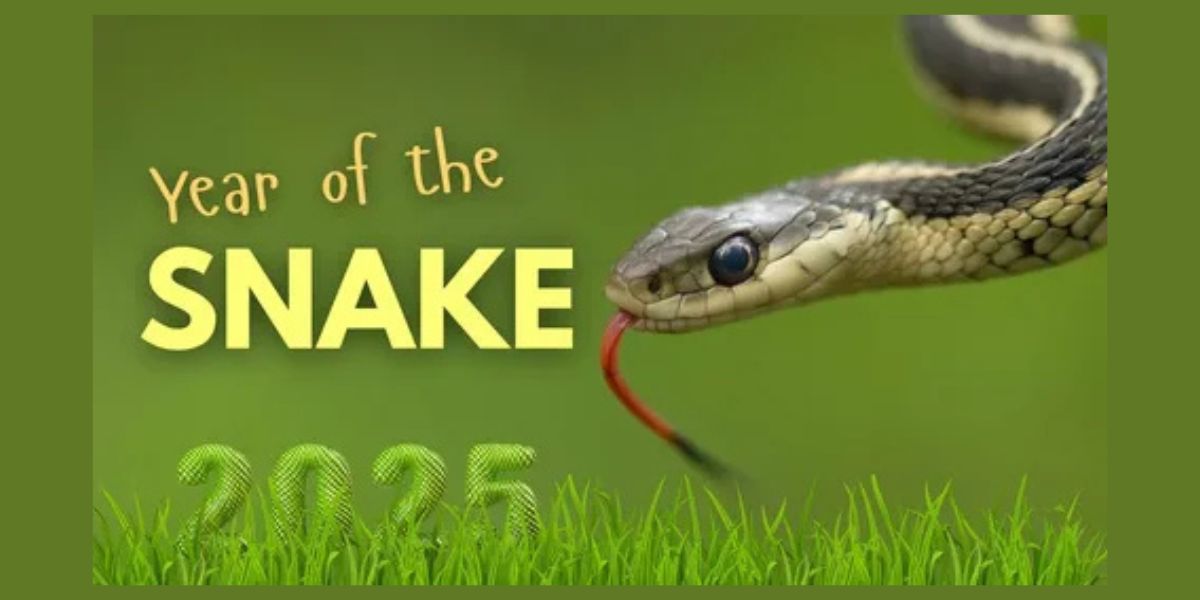
There’s also a useful caution embedded in Snake stereotypes: overthinking and withholding. If your default mode is to keep plans private until they’re perfect, you can miss opportunities that require early collaboration. The best way to “use” Snake energy is not to hide; it’s to choose selective visibility—share the right information with the right people, early enough to gain momentum, while still protecting what’s not ready.
Ben Ming Nian and the “Extra Care” Idea in Zodiac Culture
One of the most misunderstood aspects of zodiac tradition is that it’s not always framed as “your year = automatically lucky.” In Chinese zodiac culture, the return of your birth-year animal (often called ben ming nian) is sometimes treated as a period requiring extra caution and steadiness rather than carefree celebration.
Interpreted practically, this is another example of cultural wisdom expressed through symbolism: when attention is on you—your milestones, your age cycle, your expectations—you may feel more pressure and therefore benefit from conservative decisions, clear boundaries, and strong routines. Whether or not someone believes in luck, the behavioral advice is defensible: don’t overload the calendar, don’t escalate conflicts, and don’t gamble your stability on a single high-risk move.
Data Snapshot: Zodiac Animals, Recent Years, and Quick Meaning Cues
The zodiac is a repeating 12-year cycle. As Britannica summarizes, “The Chinese lunar calendar operates on a 12-year zodiac cycle, with each year represented by an animal.” That single sentence is the key to understanding why 2025’s symbolism feels familiar to some people and brand-new to others.
The table below gives you an at-a-glance mapping you can use for education, internal planning, classroom content, event programming, or culturally respectful marketing briefs—without reducing the tradition to stereotypes.
| Zodiac Animal | Most Recent Years (Gregorian) | Common Symbolic Keywords (High-Level) | Best Used As Content Angle |
|---|---|---|---|
| Rat | 2008, 2020, 2032 | resourceful, quick thinking | new starts, clever solutions |
| Ox | 2009, 2021, 2033 | steady, disciplined | patience, craftsmanship |
| Tiger | 2010, 2022, 2034 | bold, energetic | courage, leadership |
| Rabbit | 2011, 2023, 2035 | gentle, diplomatic | harmony, community |
| Dragon | 2012, 2024, 2036 | ambitious, expansive | big goals, cultural pride |
| Snake | 2013, 2025, 2037 | strategic, intuitive | refinement, transformation |
| Horse | 2014, 2026, 2038 | freedom, momentum | travel, movement, optimism |
| Goat (Sheep) | 2015, 2027, 2039 | artistic, empathetic | creativity, care culture |
| Monkey | 2016, 2028, 2040 | playful, inventive | innovation, humor |
| Rooster | 2017, 2029, 2041 | precise, confident | clarity, standards |
| Dog | 2018, 2030, 2042 | loyal, principled | trust, protection |
| Pig | 2019, 2031, 2043 | generous, grounded | comfort, abundance |
Common Misconceptions: “Lunar New Year” Language and the “Animal Only” Trap
One misconception is that Lunar New Year equals only one country’s tradition. In reality, Lunar New Year is celebrated across multiple cultures and regions, with overlapping but distinct customs, foods, greetings, and calendrical details. “Chinese New Year” and “Spring Festival” are common labels, but the broader Lunar New Year framing acknowledges the holiday’s transnational reality and the diversity of celebrants.
Another misconception is that naming the animal completes the explanation. For the lunar new year 2025 animal, “Snake” is only the entry point; “Wood Snake” and the lunisolar timing are what make 2025 specifically 2025. When content skips those layers, it often reads generic, which reduces trust. The audience signal you want is recognition: readers should feel you understand the difference between folklore, calendar mechanics, and modern cultural practice.
How to Use 2025’s Symbolism in Real Life (and in Brand Messaging) Without Being Cringe
For individuals, the best use of zodiac language is as a reflection tool. Treat the Wood Snake as a prompt: Where do you need more patience? What decision requires better information? What habit would you like to “shed” because it no longer fits who you are? These questions produce real outcomes even if you treat the zodiac as metaphor rather than fate.

For organizations, cultural respect matters more than cleverness. The safest, highest-performing approach is to center community and craft: highlight cultural partners, credit artists, avoid caricature imagery, and write copy that recognizes the holiday as family-centered and values-centered—not just a themed sales moment. If you want high engagement and low backlash risk, focus on stories of reunion, gratitude, and renewal, and use zodiac references as a supporting motif rather than the entire strategy.
Conclusion: Making the Lunar New Year 2025 Animal Meaningful
The lunar new year 2025 animal is the Snake, and the Wood Snake framing gives the year its distinctive cultural texture. But the most useful takeaway isn’t a prediction—it’s an invitation to be intentional: observe more, rush less, refine what matters, and choose growth that doesn’t require chaos.
If you approach the Year of the Snake as a narrative about transformation and strategic renewal, you’ll get the best of both worlds. You’ll stay culturally aligned with what many communities celebrate—family, continuity, hope—and you’ll also gain a practical framework for planning, content creation, and personal decision-making that feels grounded, modern, and human.
FAQs
The questions below focus on the most common confusion points people search for, especially when they’re planning greetings, events, school lessons, or editorial content tied to the holiday season.
They’re also designed to help you use zodiac terms accurately—without flattening a living tradition into a one-line “fun fact.”
What is the lunar new year 2025 animal?
The lunar new year 2025 animal is the Snake, and many sources describe 2025 specifically as the Year of the Wood Snake within the broader zodiac-and-elements system.
When does the Year of the Snake start in 2025?
It starts on January 29, 2025, because the zodiac year changes at Lunar New Year rather than on January 1 of the Gregorian calendar.
Why do some people say “Wood Snake” instead of just “Snake”?
“Wood Snake” reflects a traditional pairing of the animal sign with an element cycle that adds nuance to the year’s symbolism, making one Snake year different from another in tone and themes.
Is Lunar New Year the same as Chinese New Year?
They’re often used interchangeably in casual conversation, but “Lunar New Year” is broader and acknowledges that multiple cultures celebrate new-year traditions based on lunisolar calendars, even when customs differ.
How long do Lunar New Year celebrations last in 2025?
Many celebrations extend through the Lantern Festival, which falls on February 12, 2025, and is widely treated as the close of the main festive period.
How can I use the lunar new year 2025 animal in greetings or content without sounding awkward?
Use the lunar new year 2025 animal as a gentle motif—reference wisdom, renewal, and thoughtful progress—then anchor your message in universal values like health, family, and prosperity so it feels sincere rather than gimmicky.