


Nier Automata Characters: 10 Epic Must-See Lore-Heavy Twists That Change Everything
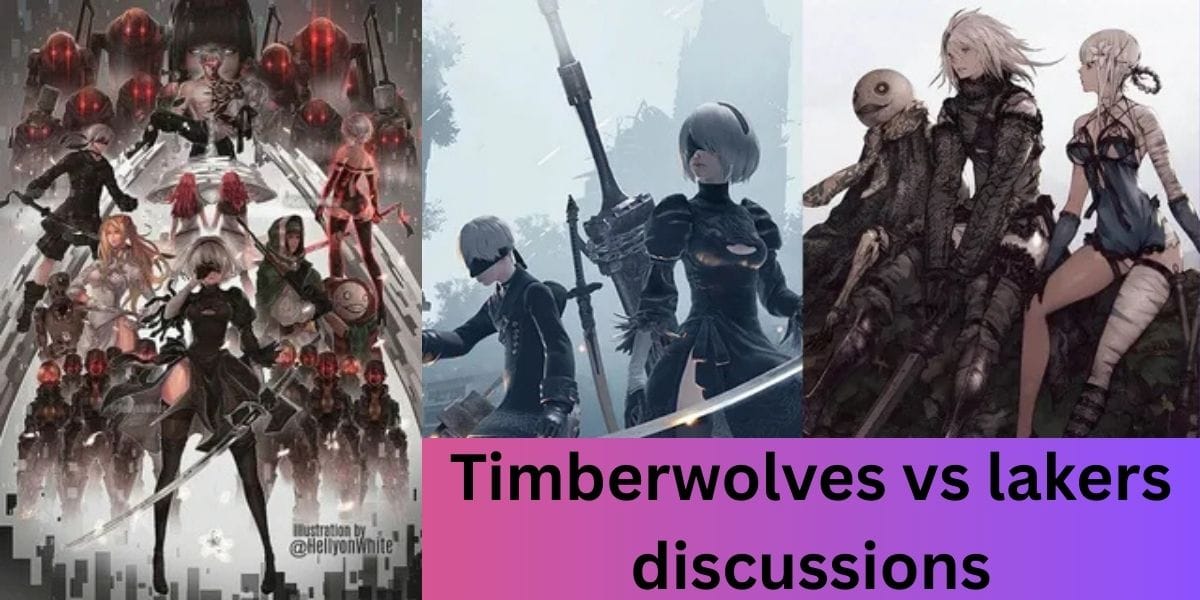
Nier Automata Characters: NieR:Automata doesn’t become unforgettable because of plot twists alone. It sticks because the cast feels engineered to collide with the game’s biggest questions: What is a “self” when memory is editable? What is duty when the mission is built on a lie? Why do emotions keep resurfacing in bodies designed to suppress them? The answer is in the way the story uses people-like machines and machine-like people to mirror each other until the boundaries blur.
This guide is built to be a true one-stop reference for nier automata characters, written for readers who want more than surface-level bios. You’ll get clear roles, motivations, relationships, and thematic “why this character matters” context—without turning the page into a spoiler-dump that loses the human thread. Where spoilers are unavoidable, they’re treated with care and framed as narrative purpose rather than shock value.
Why NieR:Automata’s Character Design Hits Different
The game’s characters aren’t just “party members” or “bosses.” Each is a philosophical instrument—built to test an idea, break it, and then ask what survives. 2B embodies duty under emotional pressure, 9S embodies curiosity without guardrails, and A2 embodies what’s left when an institution discards you but your will persists. Even the Machines aren’t only antagonists; they’re a distorted echo of humanity’s social experiments.
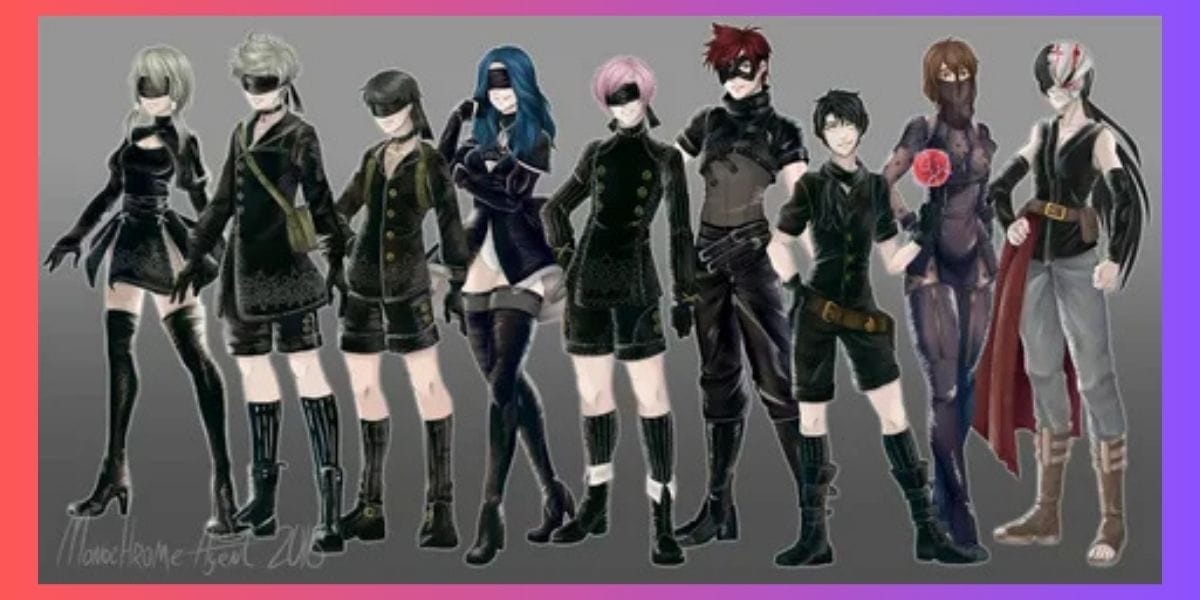
That’s why discussions of nier automata characters tend to expand into themes: identity, grief, propaganda, and the ethics of obedience. The story isn’t content to tell you what a character “is.” It repeatedly forces you to experience what a character becomes after knowledge changes, attachments deepen, and the world rewrites the meaning of “winning.”
YoRHa, the Bunker, and the War’s Human-Shaped Myth
YoRHa is presented as an elite android military force operating from the Bunker, tasked with fighting the Machine Lifeforms and taking direction from a chain of command tied to the “Council of Humanity.” On the surface, it’s sci-fi structure: ranks, protocols, deployments, and a clean narrative of purpose. Underneath, it’s a psychological engine—an institution designed to keep androids motivated by anchoring them to a story about humanity.
This matters because many nier automata characters are defined less by personal backstory and more by how they function inside that system. Some comply, some crack, and some escape the framework entirely. The most important emotional beat in the game is not “who wins the war,” but what happens to people—androids and machines alike—once they realize the story they lived inside is not the whole truth.
2B: The Mask of Duty and the Cost of Control
2B is introduced as an all-purpose battle android—timberwolves vs lakers discussions professional, efficient, and carefully contained. Official descriptions emphasize her role as a YoRHa soldier built for close-quarters combat and supported by her Pod system, which fits how you first experience her: she’s calm in chaos, decisive under pressure, and visibly disciplined in tone and motion.
But 2B’s real narrative power is how the game positions restraint as both strength and tragedy. She’s written to make you feel the tension between what she’s “supposed” to be and what she cannot stop being: a person shaped by attachment. As you understand more of her relationship to 9S and to YoRHa’s secrecy, 2B becomes the emotional center of nier automata characters because she is the one who pays repeatedly for knowledge she didn’t ask to carry.
9S: Curiosity as a Weapon and a Wound
9S is a scanner-type android whose role pushes him toward hacking, investigation, and information gathering. Even in straightforward character summaries, he’s framed as operating differently from the heavy combat styles of 2B and A2—his toolset and temperament pull him toward hidden doors, buried files, and the kind of questions institutions hate.
That makes him a story accelerant. In nier automata characters, 9S is the one most likely to “touch the truth,” and the narrative repeatedly shows how truth can be corrosive when it arrives without emotional scaffolding. His arc demonstrates a harsh idea: intelligence doesn’t protect you from pain—it can multiply it, because it gives pain a map, a timeline, and a target.
A2: The Rogue Mirror and the Survivor’s Logic
A2 enters the story as a rogue YoRHa android with a past tied to earlier operations and betrayal. Depending on how you first interpret her, she can read like an antagonist, a mystery, or a warning. But the larger story frames her as a mirror to 2B: similar origins, radically different relationship to authority, and a life defined by what happens after the system decides you are expendable.
A2’s strength as one of the standout nier automata characters is that she refuses the clean emotional messaging of “rebellion equals freedom.” She is not liberated; she is scarred. Her story asks a more adult question: if you survive what should have killed you, what do you do with the person you became to survive it?
Pods 042 and 153: Tools That Learn to Choose
Pods are presented as support units—standard equipment assigned to YoRHa units, designed to provide combat and mobility assistance through ranged armaments and utility functions. They’re often treated like gear at first, which is exactly how the world wants you to see them: instruments, not people.
Then the game does something quietly radical. The Pods begin to show perspective, loyalty, and eventually defiance, culminating in one of the story’s most memorable meta-moments. In the ecosystem of nier automata characters, the Pods represent the theme that “personhood” can emerge where it wasn’t intended especially when beings are forced to observe suffering long enough that neutrality becomes impossible.
The Commander and the Shape of Authority
The Commander is framed as the calm leader of YoRHa units and the director of the Bunker’s operations. In practice, she’s the voice of mission structure: orders, constraints, and the institutional tone that keeps soldiers moving even when the situation is ambiguous. Her relationship to YoRHa’s secrets places her at the moral intersection of leadership and deception.
In conversations about nier automata characters, the Commander often gets reduced to “the boss,” but her narrative function is more precise. She embodies the reality that authority can be composed and even sympathetic while still serving a machine-like purpose. The story doesn’t ask whether she is “good.” It asks what someone becomes when their job is to maintain meaning for others in a world where meaning is manufactured.
The Resistance: Anemone, Jackass, and Life Outside YoRHa
The Resistance functions as the grounded counterpoint to YoRHa’s orbital hierarchy. It’s where survival is dirty, improvisational, and driven by lived experience rather than official narrative. Anemone’s leadership and the camp’s day-to-day reality help the game show what the war looks like Nier Automata Characters when you’re not protected by sleek uniforms and scripted briefings.
Jackass, among other resistance figures, adds an important tonal ingredient: personality that doesn’t map neatly to military archetypes. She represents curiosity that is playful rather than compulsive, and her presence reminds you that nier automata characters aren’t only philosophical symbols—they’re also written to feel socially alive, with humor and oddness that makes tragedy hit harder when it arrives.
Pascal: The Pacifist Machine and the Horror of Empathy
Pascal is a pacifist Machine Lifeform and the leader of a non-hostile machine community. Character summaries emphasize his intelligence and his interest in the history of humans and machines, which is key: he is a machine trying to understand the species that built the ideas machines now imitate.
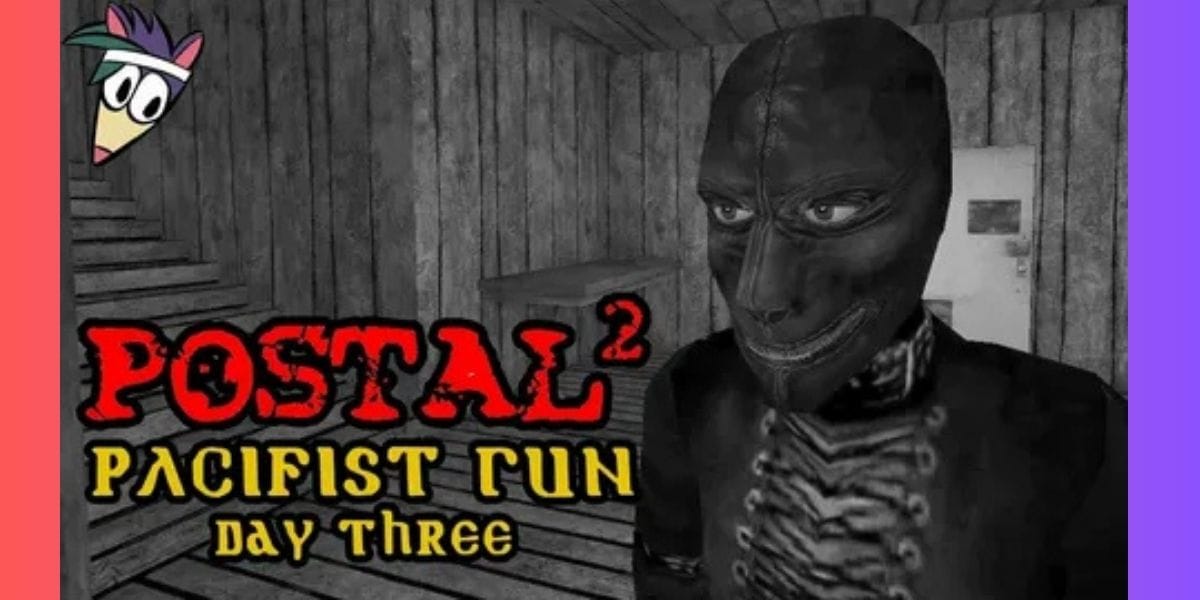
Pascal’s arc is one of the most devastating elements among nier automata characters because it weaponizes kindness. The game uses him to explore empathy without romanticizing it. When innocence collides with violence, the result is not simply “sad.” It becomes a case study in how moral awakening can be unbearable when you lack the defenses that cynicism provides.
Adam and Eve: Antagonists Built From Human Obsession
Adam and Eve are humanoid Machines tied to the Machine Network, framed as central antagonistic figures during major story arcs. They’re not villains in the traditional sense of wanting money or territory; they’re villains of concept. Adam’s obsession reads like a philosophy experiment with teeth, while Eve’s emotional dependence becomes a volatile force once that bond is severed.
This is why they matter in a serious guide to nier automata characters: they show what happens when machines inherit human longing without human context. Their “humanity” isn’t proof of progress; it’s proof that imitation can produce suffering. The game uses them to challenge the comforting idea that becoming like humans is automatically a good ending for artificial life.
Devola and Popola: Legacy, Guilt, and Redemption Under Constraint
Devola and Popola return with story context that connects to the broader NieR universe, but even without prior knowledge, their role lands: they are figures marked by inherited guilt and ostracism, operating near the Resistance and carrying a sense of history that most others can’t access. Their presence is a reminder that the world didn’t begin with YoRHa—it’s a later chapter in a longer tragedy.
As nier automata characters, Devola and Popola embody one of the game’s most painful truths: sometimes you are punished not for what you did, but for what you represent. The narrative uses them to explore whether redemption is real when the world refuses to let you forget, and whether sacrifice is meaningful when it’s the only kind of forgiveness people will allow you.
Emil: The Ghost of Another Story and the Price of Survival
Emil’s optional story arc functions like a haunting. He connects Automata to earlier events in the franchise and carries themes of memory, identity fragmentation, and loneliness amplified across time. In Automata, his presence often feels like the world itself remembering something it tried to bury.
Emil matters in nier automata characters discussions because he introduces scale. Many characters suffer within the war’s immediate frame; Emil suggests that suffering can persist across eras, even across copies of a self. His arc reframes “survival” as potentially tragic: living long enough can mean living through repeated loss until your identity becomes a set of echoes.
A Quick-Reference Table of Key Characters and What They Represent
A lot of readers want a fast way to understand the cast before diving into nuance. The table below summarizes major figures, their affiliations, their narrative function, and the themes they’re built to explore, serving as a structured snapshot of nier automata characters across YoRHa, the Resistance, and the Machines.
| Character | Affiliation | Primary role in the story | What they symbolize | Why they’re memorable |
|---|---|---|---|---|
| 2B | YoRHa | Frontline battle android | Duty vs. emotion | Stoic control under unbearable repetition |
| 9S | YoRHa | Scanner, hacker, investigator | Curiosity and collapse | Truth-seeking that becomes self-destruction |
| A2 | Rogue YoRHa | Survivor and counterpoint | Trauma and agency | Rebellion that isn’t romantic—just real |
| Pod 042 / 153 | YoRHa equipment | Support and narrative pivot | Tool becoming chooser | “System” units that grow a moral spine |
| Commander | YoRHa | Institutional authority | Leadership under deceit | Calm order in a world built on myth |
| Anemone | Resistance | Camp leader | Survival reality | Life outside the polished YoRHa frame |
| Pascal | Machine Lifeforms | Pacifist leader | Empathy’s vulnerability | Kindness that becomes heartbreaking |
| Adam / Eve | Machine Network | Antagonistic catalysts | Human obsession mirrored | “Humanity” as replication, not salvation |
| Devola / Popola | Resistance-adjacent | Legacy figures | Inherited guilt | Redemption under a curse of memory |
| Emil | Independent | Optional arc, legacy link | Identity fragmentation | A living relic of a longer tragedy |
One Quote That Captures 2B’s Role and Tone
Square Enix’s own framing of 2B is concise and telling: “Meet 2B, an all-purpose battle android deployed as a member of the automated infantry squad, YoRHa.”
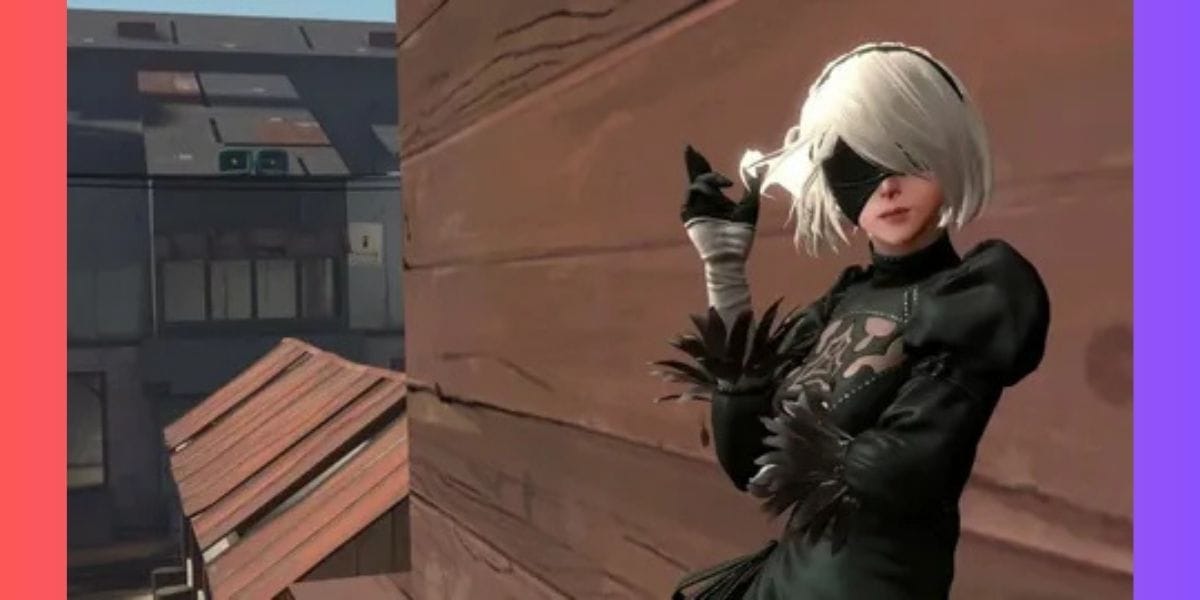
That line reads like a mission brief, which is exactly the point. It highlights how 2B is introduced as function first, person second—and how much of her story is about what happens when a “function” can’t fully contain a heart, even if that heart lives inside a body built to obey.
How Character Relationships Drive the Plot More Than “Lore” Does
It’s easy to get lost in timelines and terminology, but NieR:Automata’s momentum mostly comes from relationships. The tension between 2B and 9S is the engine of the early routes, not because they bicker, but because they share intimacy inside a system that discourages it. Their partnership is the story’s soft place—then the narrative uses that softness as leverage.
A2’s collision with 9S later shows the darker side of attachment: grief can turn into fixation, and fixation can become violence when it needs a target. In a cast study of nier automata characters, these bonds matter because they prove that emotion isn’t “extra flavor.” It’s the force that reshapes choices, reframes enemies, and determines which truths people can survive.
Common Misconceptions About NieR:Automata’s Cast
One common misconception is that the Machines are a monolith—mindless enemies with a single agenda. The story explicitly contradicts that by showing Machines replicating societies and concepts, including pacifist communities and emotionally driven behavior. That’s not a side quest detail; it’s central to the game’s thematic argument about imitation, evolution, and suffering.
Another misconception is that the game’s three playable leads are simply “different combat styles.” They are different styles, but they’re more importantly different epistemologies: 2B’s world is built around order and containment, 9S’s around discovery, and A2’s around survival and refusal. Treating them as loadouts misses why nier automata characters are discussed like literature: the gameplay perspectives are narrative perspectives.
How to Remember the Cast by Archetype Without Flattening Them
If you’re trying to keep the cast straight, it helps to remember who represents institution, who represents reality on the ground, and who represents the outsider. YoRHa characters generally express institutional logic—duty, secrecy, command. Resistance characters express lived reality—scarcity, improvisation, community. Machine figures express reflection—what humans were, what humans wanted, and what imitation produces when it grows beyond control.
But the game’s genius is that it refuses to let those categories stay stable. Machines develop tenderness; androids develop cruelty; allies become threats; and “tools” become moral agents. The best way to read nier automata characters is to watch where they shift, because the shifts are the story’s real plot points—changes in meaning rather than changes in location.
Where to Start If You Want to Learn the Characters Without Getting Spoiled
If your goal is to appreciate the cast with minimal spoilers, start by focusing on roles and tone rather than endgame revelations. Learn what each faction does, what each major character wants, and what each relationship feels like in early chapters. You can understand 2B’s discipline, 9S’s curiosity, and Pascal’s empathy without pulling the thread on the late-game truth behind YoRHa.
If you’re already past the game’s major turning points, then a deeper reading becomes rewarding: revisit the early interactions and notice how often the story tells you what’s coming through behavior rather than exposition. That’s where nier automata characters become re-readable. The game hides meaning in tone, pauses, and what characters refuse to say—until you know enough to hear it.
Conclusion: Why These Characters Stay With You
The reason NieR:Automata’s cast endures is that it doesn’t treat character as decoration. Each major figure is built to carry an argument about identity, meaning, or survival, and then the story stress-tests that argument through loss, repetition, and choice. When people search for nier automata characters, they’re often looking for names; what they usually find is a set of emotional problems that feel uncomfortably human.
If you want the simplest summary: 2B shows the pain of duty, 9S shows the danger of knowledge, A2 shows the cost of being discarded, Pascal shows the fragility of empathy, and the Machines show the tragedy of imitation. Together, they turn a sci-fi war into a mirror—and that mirror is why you finish the game still thinking about the people inside it.
FAQ
Who are the main NieR Automata characters?
The core nier automata characters are 2B, 9S, and A2, with key supporting figures including Pods 042/153, the Commander, Resistance leaders like Anemone, and pivotal Machine characters like Pascal, Adam, and Eve.
Is 2B really the “main” protagonist of NieR:Automata?
2B is the early focal point and the face most players associate with nier automata characters, but the story is structured across multiple perspectives, shifting emphasis strongly to 9S and A2 as the narrative evolves.
What are Pods in NieR:Automata and why do they matter?
Pods are YoRHa support units designed for combat and utility assistance, and they matter because the story gradually treats them as more than equipment, making them surprisingly important among nier automata characters.
Are Adam and Eve humans in NieR:Automata?
No—Adam and Eve are humanoid Machines connected to the Machine Network, and ther humanlike” behavior is part of why they’re so central to discussions of nier automata characters.
Is Pascal a villain or an ally?
Pascal is portrayed as a pacifist machine leader and is generally an ally, but his arc is emotionally complex, which is why he’s one of the most discussed nier automata characters beyond the playable trio.