



Djokovic vs Nadal: 6 Epic, Heart-Stopping, Must-See, Unbelievable Comebacks Explained
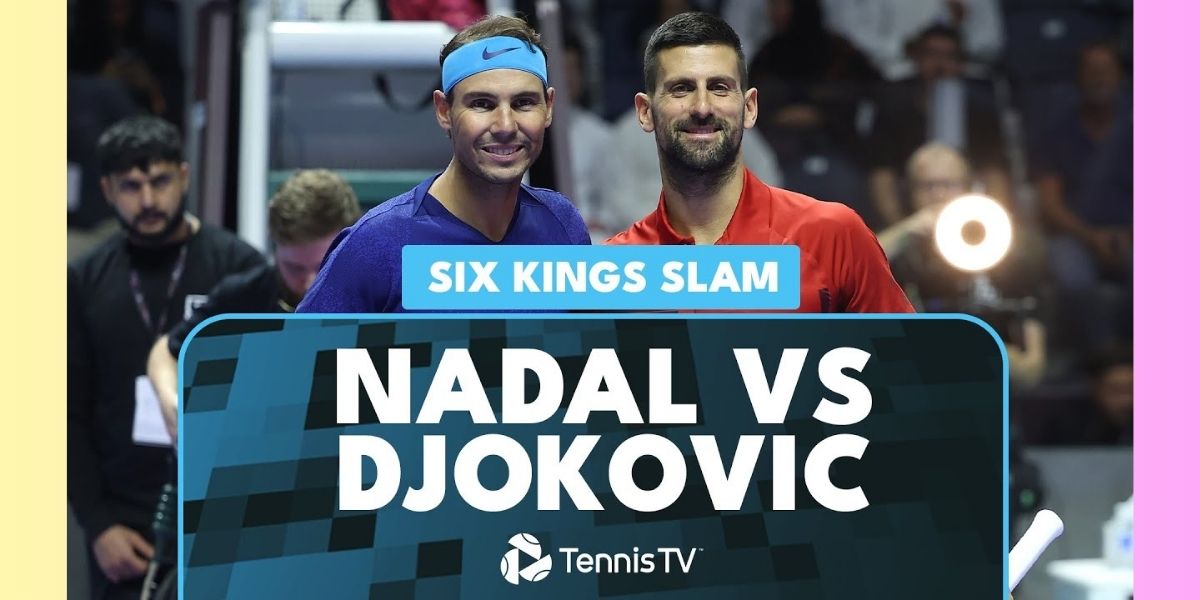
Djokovic vs Nadal: If you type djokovic vs nadal into Google, you’re not looking for a generic “two legends” recap—you’re looking for clarity. Who leads overall? Why does clay feel different? Which matches actually shaped careers, not just highlights? And what did this rivalry change in modern tennis beyond trophies and headlines?
This article is designed as a full reference: clean head-to-head context, surface dynamics, strategic patterns, iconic match turning points, and the cultural gravity that made their meetings feel like a sporting event inside a sporting event. The facts are anchored to official and reputable sources, and the analysis is written in plain language—deep enough for tennis diehards, accessible enough for anyone who just wants the rivalry to make sense.
Djokovic vs Nadal in One Sentence
Djokovic vs Nadal is the rivalry where the sport’s best defender-turned-attacker met the sport’s greatest clay-court pattern-builder and both were forced to evolve in public, in real time, for nearly two decades. Their meetings became a laboratory for modern baseline tennis: height over the net, depth tolerance, return dominance, and the mental endurance to hold shape under pressure.
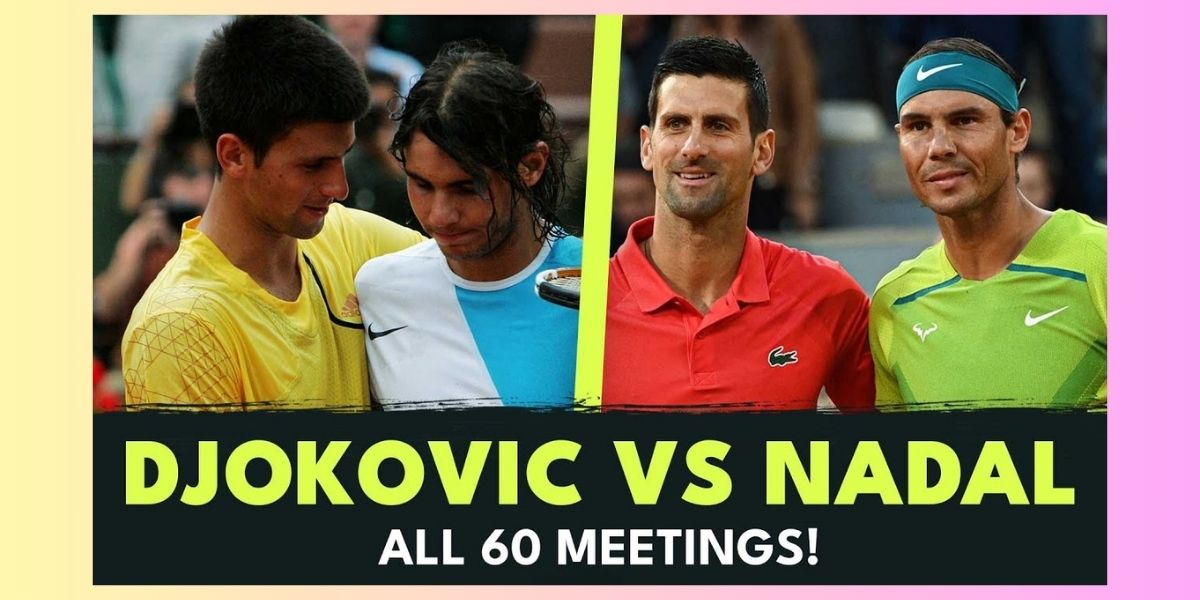
It is also one of the most played elite rivalries in men’s tennis, with an overall head-to-head that remained competitive deep into their careers. The official ATP rivalry page exists for a reason: it’s not a niche feud, it’s a foundational storyline of the Open Era.
Overall Head-to-Head: Who Leads and Why That Number Matters
The simplest answer to “who leads” in djokovic vs nadal is that Djokovic holds a narrow overall advantage in their completed professional meetings, while Nadal’s edge shows up most clearly in specific environments—especially Roland Garros. Wikipedia’s compiled rivalry analysis lists 60 total meetings with Djokovic leading 31–29, while also noting Nadal’s advantage in Grand Slam meetings overall.
That split—overall vs Slam-specific—explains why fans can argue this rivalry forever without either side being “wrong.” If you care about sustained tour dominance across surfaces and conditions, the overall number matters. If you care about the sport’s highest-stakes stage (Slams), the majors split becomes the more emotionally persuasive lens.
Surface Split: The Core Truth Behind the Matchup
The fastest way to understand djokovic vs nadal is to stop thinking of it as one rivalry and start thinking of it as three: clay, hard, and grass. In the rivalry analysis, Nadal leads on clay (20–9), Djokovic leads on hard courts (20–7), and they are balanced on grass (2–2).
Those splits aren’t trivia—they are the “physics” of the matchup. Nadal’s heavy lefty forehand and clay court geometry amplify his best patterns, while Djokovic’s return position, early ball-striking, and backhand stability have historically been devastating on hard courts. When people say “it depends on the surface,” this is what they mean, and the data backs it.
Why Clay Was Nadal’s Home Court Advantage
On clay, the djokovic vs nadal matchup becomes a battle of shape. Nadal’s topspin forehand to Djokovic’s backhand is not just a crosscourt exchange; it’s a sustained, high-contact pattern that pushes the ball above shoulder height and forces Djokovic to choose between absorbing and redirecting. The court gives Nadal time to build this pattern without paying the same risk premium he’d pay on a faster surface.
Even so, Djokovic is one of the few players who consistently challenged Nadal’s clay dominance at Roland Garros, which is why their Paris meetings became mythic. The rivalry page explicitly treats their French Open clashes as a major historical axis, with Nadal still holding a significant advantage at that tournament.
Why Hard Courts Favored Djokovic’s Core Weapons
On hard courts, djokovic vs nadal flips because Djokovic’s best weapon is not a single shot—it’s the return plus the first two neutral balls. He takes time away, he blocks serves back deep, and he turns a “serve plus one” sport into a rally sport. That’s especially punishing to Nadal on faster hard courts where the bounce is lower and Nadal’s forehand doesn’t jump the same way it does on clay.
This is also where Djokovic’s backhand becomes an anchor rather than a target. On hard courts, the backhand can redirect earlier, crosscourt stability becomes suffocating, and Nadal has to work harder to create the same opening he can create naturally on clay. The surface split numbers reflect that structural advantage.
The Tactical Heart of Djokovic vs Nadal
At the tactical level, djokovic vs nadal is a fight over who gets to play their preferred “geometry.” Nadal wants high, heavy crosscourt forehands that force defensive replies and open the down-the-line forehand. Djokovic wants to hold the center, return deep, and use the backhand to take Nadal’s time and prevent Nadal from camping in forehand patterns.
The most important hidden battle is court position. When Djokovic holds the baseline and takes balls early, Nadal’s forehand becomes less oppressive because it has less time to climb. When Nadal forces Djokovic back, Djokovic’s counterpunching becomes reactive rather than proactive—and that’s where Nadal’s ability to layer pressure looks inevitable.
The Return Game: Where Djokovic Built His Edge
If you had to pick one factor that repeatedly shows up when djokovic vs nadal tilts toward Djokovic, it’s the return. Djokovic’s ability to neutralize first serves and start rallies immediately changed the cost of serving against him. Nadal’s serve, especially from the deuce court as a lefty, is designed to pull opponents wide; Djokovic has historically been better than almost anyone at absorbing that wide serve and still returning deep enough to avoid getting pinned.
The return advantage matters because it changes the emotional rhythm of the match. Nadal’s best tennis often comes in “waves” built on forehand dominance; Djokovic’s return disrupts those waves by reducing cheap points. Over time, this forced Nadal to evolve patterns—more aggression on second serves, more net approaches, and more willingness to redirect earlier.
Roland Garros: The Arena That Defined the Rivalry’s Mythology
For many fans, djokovic vs nadal is synonymous with Roland Garros, and the rivalry page reinforces why: Nadal leads their French Open meetings heavily, and their Paris clashes include multiple matches considered among the greatest clay-court battles ever played.
What makes Paris special is that both players’ identities are amplified. Nadal’s defense becomes offense, and Djokovic’s elasticity is tested at maximum intensity. The match isn’t only about winning points; it’s about winning territory. When Djokovic won in Paris, it felt like a rare breach of a fortress; when Nadal won, it felt like gravity reasserting itself.
Australian Open and the “Hard Court Mirror”
On the Australian Open axis of djokovic vs nadal, Djokovic has historically held the edge, including a 2–0 record in their Australian Open meetings per the rivalry analysis.
Australia often reflects the purest version of Djokovic’s strengths: return dominance, stamina, and the ability to play elite defense without conceding the middle. For Nadal, winning against Djokovic on this stage typically required either an unusually high first-serve performance or sustained aggression that didn’t break under long rally stress. That’s why their Australian Open meetings remain reference points for “what it takes” to beat Djokovic in his preferred environment.
The Iconic Matches: Why Some Meetings Became History
The rivalry page categorizes “famous matches” because djokovic vs nadal produced not just outcomes, but cultural moments—Hamburg 2008, Madrid 2009, the 2012 Australian Open final, the 2021 French Open semifinal, and more. These are not famous because of star power alone; they are famous because each one revealed a new adjustment: serve placement changes, backhand redirection shifts, net approaches, or stamina strategies.

The best way to watch these matches is to look for “pattern breaks.” When Nadal wins a long exchange by going down the line earlier than usual, that’s not a highlight—it’s a strategic statement. When Djokovic starts stepping inside returns and holding the baseline, that’s not swagger—it’s a claim on match territory. This is why djokovic vs nadal rewatching remains valuable even for people who already know the scores.
The Finals Factor: What Changed When Stakes Were Highest
In djokovic vs nadal, finals often felt like different sports. The rivalry analysis lists 28 finals with Djokovic leading 15–13, while Slam finals are tighter and tilt toward Nadal in the rivalry’s compiled breakdown.
This is where psychology becomes visible. Finals compress time: you have fewer “free games” to find rhythm, and momentum shifts feel more expensive. Djokovic’s ability to reset after lost sets is legendary; Nadal’s ability to raise intensity when the match becomes physical is equally defining. Their finals show how two elite mental models can both work—just in different ways.
The Athleticism War: Defense as Offense
A big reason djokovic vs nadal is so compelling is that both players play defense as a form of offense. Djokovic slides into corners on hard courts and turns stretch positions into neutral rallies. Nadal, especially on clay, turns defense into forehand aggression by using time and spin to reset the point in his favor.
This makes their matches feel like endurance chess. You can’t “hit through” either man easily, and that forces precision. Many rivalries are about weapons; this one is about resilience. If you lose focus for five minutes, you can lose a set. If you lose focus for one game at the wrong time, you can lose the match.
The 2024 Olympics Meeting: A Late-Career Epilogue
One of the most talked-about late chapters in djokovic vs nadal was their meeting at the Paris Olympics in 2024, which the rivalry page notes as their last professional meeting at that time, with Djokovic winning in straight sets.
That match mattered symbolically because it returned them to the same venue that shaped their myth—Roland Garros—while representing a different era: legacy, late-career adaptation, and the sport’s shifting generation. Rivalries rarely get clean epilogues; the Olympics offered something close to one, even if fans always hope for “one more.”
Head-to-Head Snapshot Table
The fastest way to ground any djokovic vs nadal conversation is to keep the major splits in one place. The table below reflects the rivalry analysis totals that are commonly cited and summarized.
| Category | Split (as summarized in rivalry analysis) |
|---|---|
| Overall meetings | Djokovic leads 31–29 |
| Grand Slam meetings | Nadal leads 11–7 |
| Clay meetings | Nadal leads 20–9 |
| Hard-court meetings | Djokovic leads 20–7 |
| Grass meetings | Tied 2–2 |
If you remember only one thing, remember this: the rivalry’s meaning changes depending on what you value—overall dominance, Slam dominance, or surface-specific supremacy—and djokovic vs nadal is rare because it supports more than one honest conclusion.
Why Fans Argue About “The Greatest” Using This Rivalry
The rivalry is constantly used as a proxy war for “GOAT” debates because djokovic vs nadal is a clash of identities as much as résumés. Nadal symbolizes clay mastery and relentless intensity; Djokovic symbolizes all-surface completeness and return-driven control. When fans argue, they’re not only arguing about numbers—they’re arguing about what kind of greatness feels most meaningful.
It’s also a rivalry that overlaps with the sport’s most competitive era, where elite performance was normalized at an absurd level. Many players had careers that would have looked historic in other eras, but were compressed by the Big Three ecosystem. That’s why djokovic vs nadal discussions often feel emotional: people aren’t only remembering matches, they’re remembering an entire era of sports viewing.
The Rivalry’s Broader Impact on Modern Tennis Tactics
Tactically, djokovic vs nadal accelerated modern baseline tennis. It reinforced that a great return can be more valuable than a great serve. It normalized long rallies at high pace and made depth tolerance a central metric of elite performance. It also pushed the sport toward hybrid aggression: you can defend like a wall, but you still must finish points.
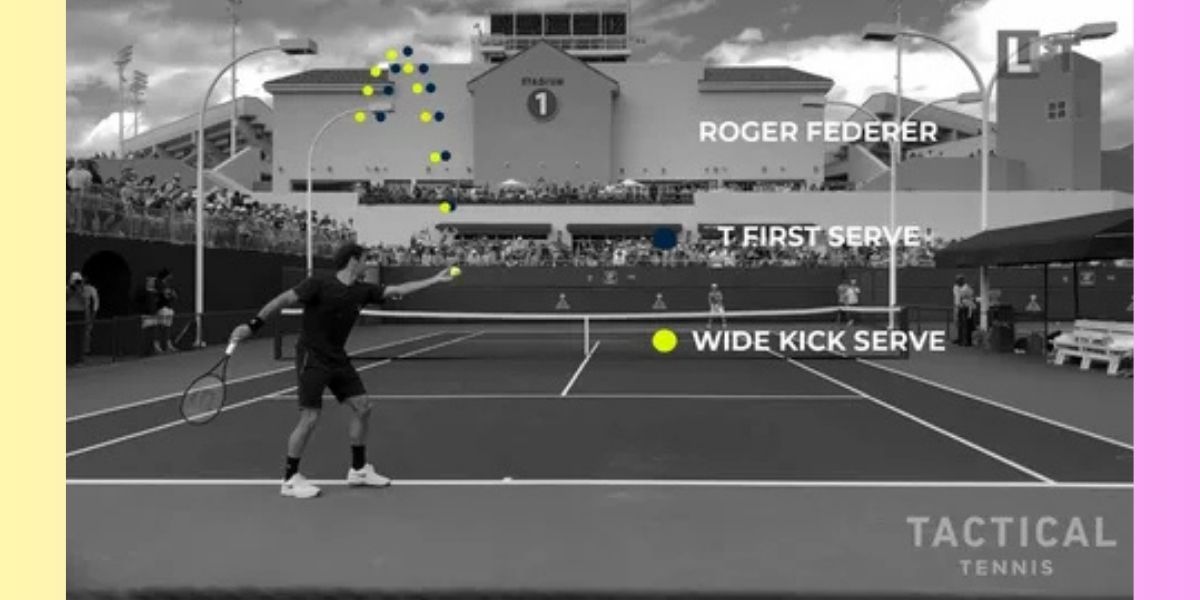
This rivalry also made strategy mainstream. Fans started talking about “patterns” the way NBA fans talk about sets—forehand-to-backhand, crosscourt dominance, inside-out forehands, backhand line changes. That’s not an accident; it’s what happens when the same two minds keep meeting and solving each other in public, match after match.
A Quote That Captures the Longevity Mindset
One reason djokovic vs nadal remained relevant so deep into their careers is Djokovic’s sustained motivation. In a Reuters report from March 2026, Djokovic said he would keep playing as long as he has “fire and flair,” emphasizing the role of motivation and quality in continuing.
That quote matters in rivalry context because it explains why the story never fully “ended” the way fans expected. Even when the tennis calendar moved forward, the rivalry remained a reference point—because both players treated longevity as a competitive project, not a countdown.
Common Misconceptions About Djokovic vs Nadal
A common misconception is that the overall head-to-head settles the rivalry’s “winner.” It doesn’t, because tennis rivalries are environment-dependent. Surface splits, Slam splits, and era-specific matchups all create different truths, and the rivalry analysis explicitly shows why different lenses yield different leaders.
Another misconception is that this rivalry was always the same. It wasn’t. Early meetings featured more Nadal control; the 2011 period is often described as a Djokovic swing; later years show continuous adaptation around serve patterns, aggressiveness, and physical management. If you want to understand djokovic vs nadal, you have to see it as a living system, not a static statistic.
Conclusion
Djokovic vs Nadal is tennis’s most valuable rivalry as a learning tool because it has both clarity and complexity. The clarity is the data: close overall head-to-head, clear surface splits, and recognizable peaks at the Slams. The complexity is the meaning: each match is a tactical argument about time, space, and pressure—played at the highest physical level the sport can sustain.
If you’re watching their matches today—highlights or full replays—watch for the geometry battle, not the highlights. Watch who owns the middle, who controls the bounce height, and who forces the other to hit uncomfortable balls repeatedly. That is where djokovic vs nadal actually lives, and why it will remain a reference point long after the last handshake.
FAQ
Who leads the Djokovic vs Nadal head-to-head overall?
In djokovic vs nadal, Djokovic holds a narrow overall lead (31–29) in the rivalry summary, which is why the rivalry is often described as both historic and genuinely close.
Who leads Djokovic vs Nadal at Grand Slams?
The rivalry analysis lists Nadal leading djokovic vs nadal in Grand Slam meetings (11–7), which is a big reason Slam-focused fans frame the rivalry differently from tour-wide discussions.
Why does Djokovic vs Nadal feel so different on clay?
On clay, djokovic vs nadal tilts toward Nadal because the surface rewards his heavy topspin patterns and gives him time to build forehand pressure, reflected in Nadal’s clay head-to-head advantage.
What is the most famous Djokovic vs Nadal match?
There isn’t one universally accepted answer, but the rivalry’s “famous matches” list highlights several historically cited classics (including major finals and Roland Garros battles) as defining moments in djokovic vs nadal.
When did Djokovic vs Nadal last play in an official match?
The rivalry summary notes their most recent professional meeting as the 2024 Paris Olympics match, which Djokovic won in straight sets, adding a late-career chapter to djokovic vs nadal.
Why is Djokovic vs Nadal considered one of tennis’s greatest rivalries?
Djokovic vs Nadal is considered all-time because it combines volume (many meetings), elite stakes (Slam and Masters clashes), and tactical depth, with clear surface-based storylines that kept evolving over years.