


Doujinshi Manga Explained: The Definitive Guide to Fan-Made Manga, Culture, Safety, and Where It Fits in Today’s Manga World
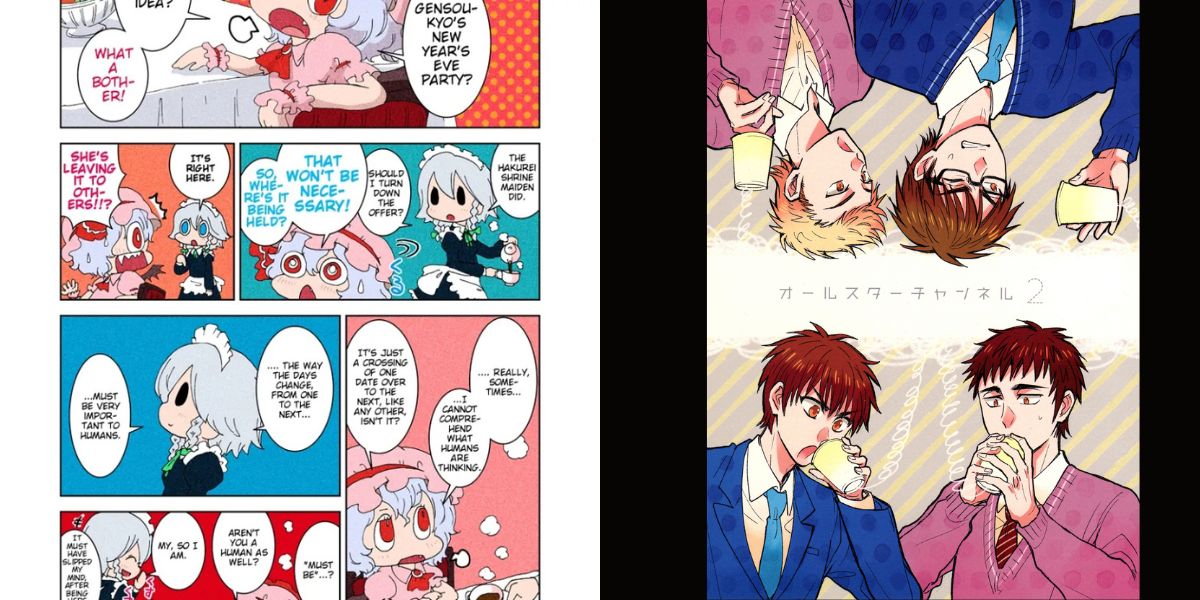
Doujinshi Manga Explained: Doujinshi manga sits at the fascinating edge of mainstream publishing and grassroots creativity. It’s where artists experiment, fans build communities, and niche storytelling thrives—often long before trends reach commercial magazines or global streaming platforms.
This guide is designed to be a complete, practical resource: definitions, history, platforms, etiquette, legal and safety basics, and how readers can navigate the scene responsibly. If you’ve ever wondered why doujinshi has such staying power—or how it connects to modern fandom economies—you’re in the right place.
What Doujinshi Manga Means and Why It Matters
At its simplest, doujinshi manga refers to self-published manga created by individuals or small groups rather than large publishers. Some doujinshi are entirely original stories, while others are fan works that reinterpret existing characters or worlds through new plots, alternate settings, or different genres.
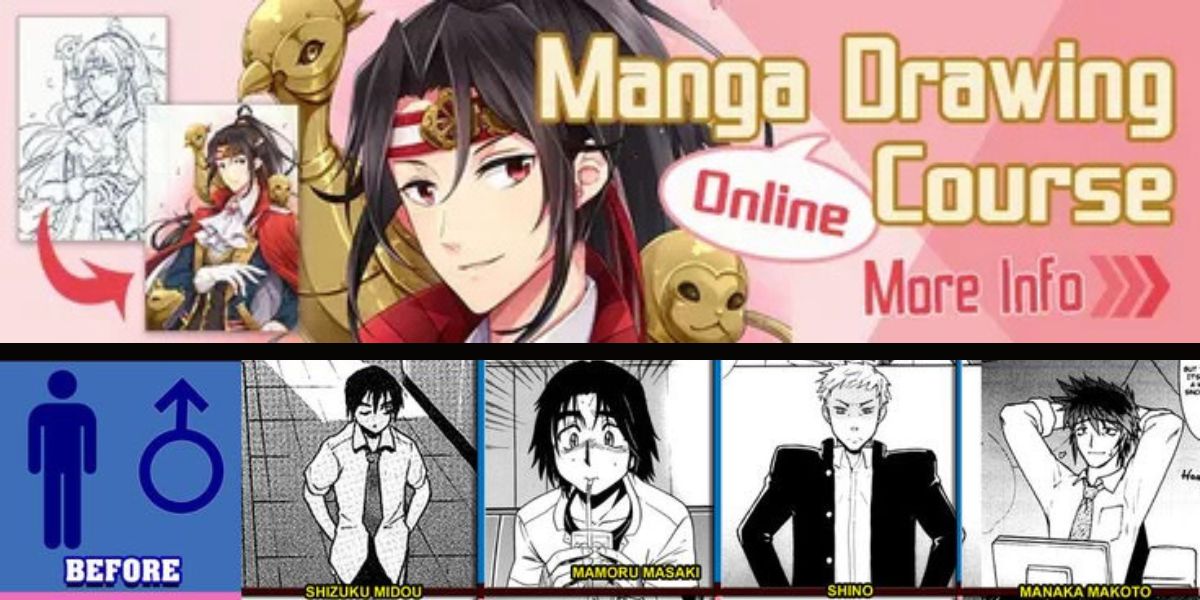
What makes the space important isn’t just the “indie” label—it’s the role doujinshi plays as an innovation engine. Many creators use it to test art styles, pacing, themes, and audience response, building skill and visibility in a way that traditional gatekeeping can’t easily replicate.
The Two Big Categories: Original Works and Fan Works
A major misconception is that all doujinshi manga is fanfiction in comic form. In reality, a large share of doujinshi is original: new characters, new worlds, new themes, and personal storytelling that doesn’t fit editorial formulas or mass-market expectations.
Fan doujinshi is the other major category, and it’s huge—because it rides on existing fandom energy. Readers often seek fan works to explore “what-if” storylines, character pair dynamics, missing scenes, comedic spins, or alternate universes that mainstream canon never touches.
How Doujinshi Manga Is Created: The Indie Publishing Workflow
Creators of doujinshi manga often work with faster iteration cycles than commercial teams. They outline quickly, thumbnail pages, draft line art, and polish with screentones or digital shading, then publish as print booklets, digital PDFs, or platform uploads—sometimes in very small batches.
What looks casual from the outside can still be deeply professional. Many circles (creator groups) run like micro-studios: roles split between writing, pencils, inks, tones, lettering, editing, and even logistics like booth design, shipping, and customer support.
Where Doujinshi Manga Is Sold and Shared Online
Today, doujinshi manga lives across a mix of marketplaces and community platforms. Some spaces focus on digital distribution, others on print-on-demand, and many combine both with event-based selling that spikes around conventions and seasonal releases.
For readers, the key is matching platform type to your goal. If you want discovery, you look for browsing and tagging features; if you want collector-quality print, you look for reputable vendors and event sellers; if you want to support artists directly, you look for creator storefronts and membership channels.
Events and Conventions: Why Offline Still Dominates the Culture
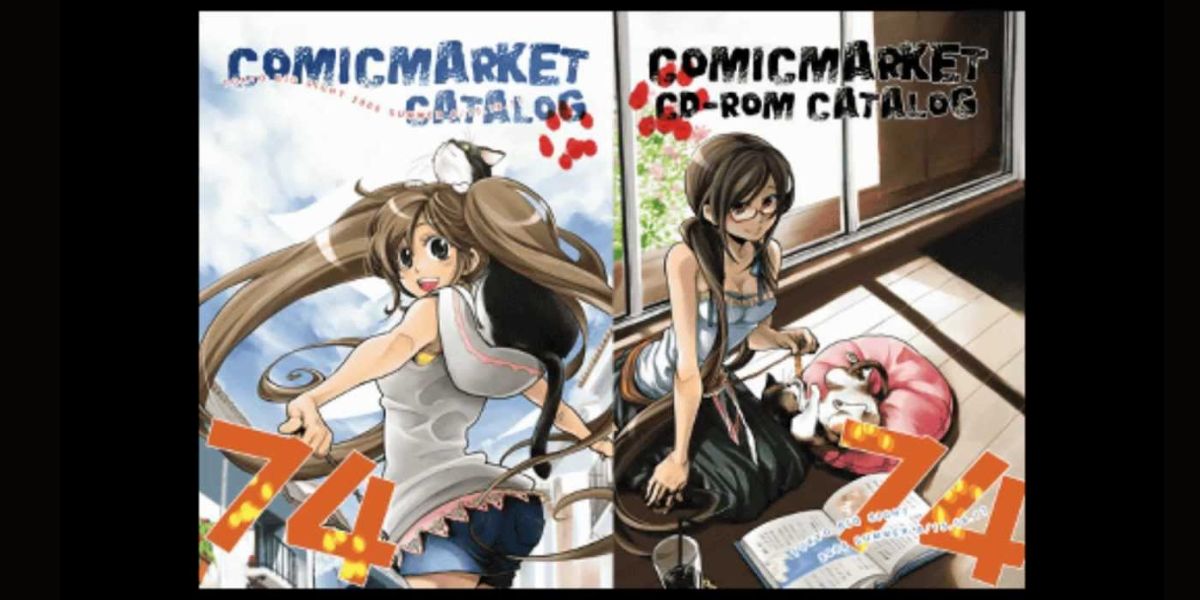
Even in a digital era, doujinshi manga is tightly linked to real-world events—because conventions create urgency, community, and a direct buyer-creator loop. Limited print runs, event exclusives, and the excitement of discovering new circles all make offline spaces uniquely powerful.

Events also shape creative behavior. Artists plan releases around specific dates, coordinate with peers, and adjust themes based on what the community is buzzing about—creating a living ecosystem where trends emerge organically rather than being dictated from the top down.
A Reader’s Guide to Discovering Quality Doujinshi Manga
Finding great doujinshi manga is less about one “best site” and more about building a discovery system. Start with tags and genres you already like, then follow circles whose storytelling and art direction match your taste, and finally branch out through recommendations and curated lists.
It helps to read like an editor: notice panel flow, clarity of action, consistency of character design, and dialogue rhythm. Doujinshi ranges from rough sketches to near-pro work, so learning to spot craftsmanship quickly will save you time and improve your finds.
Safety, Privacy, and Digital Hygiene for Readers
Because doujinshi manga is spread across many sites and sellers, basic online safety matters. Favor reputable platforms, avoid suspicious downloads, and be cautious with mirror sites that re-upload content without clear ownership or support for creators.
Privacy is also practical, not just moral. Use strong passwords, avoid logging into sketchy clones of popular sites, and consider separating your fandom browsing from your primary email and social accounts—especially if you’re joining niche communities or purchasing from smaller storefronts.
Copyright and Ethics: How to Support Creators Responsibly
The ethics of doujinshi manga can be nuanced, especially with fan works. Many communities operate on shared norms: respect the original creators, don’t misrepresent fan work as official, and support doujin artists by buying legitimate copies when possible.
If you want to be a “good citizen,” prioritize official creator storefronts, event purchases, and platforms that provide clear artist attribution. The biggest practical rule is simple: if a listing has no creator credit, no clear source, and looks like mass re-uploads, it’s rarely the best place to spend your time or money.
Why Doujinshi Manga Drives Trends in the Wider Manga Industry
Doujinshi manga often functions like a trend laboratory. When certain character archetypes, comedic beats, romance dynamics, or visual motifs explode inside doujin communities, publishers and studios notice—because it’s essentially live market research powered by passionate readers.
This feedback loop has a second effect: talent discovery. Many professional manga artists build early portfolios through doujin output, gaining audience trust and proving consistency—two things publishers value highly when deciding who can sustain serialization schedules.
The Business Side: Pricing, Print Runs, and Creator Economics
A lot of readers underestimate the economics behind doujinshi manga. Printing costs, paper quality, binding, shipping, and platform fees add up quickly, which is why prices may vary widely even for similar page counts.
For creators, the goal is often sustainability, not massive profit. A circle might price to break even and fund the next print run, or price higher for premium editions, or offer digital versions for accessibility—each strategy reflecting a balance between reach, workload, and financial reality.
How to Evaluate a Doujinshi Manga Platform or Seller
Choosing where to read or buy doujinshi manga depends on three factors: legitimacy, usability, and creator support. Legitimacy means the work is clearly attributed and not scraped; usability means search, tags, and previews work well; creator support means your purchase or view actually benefits the artist.
A smart approach is to test small first. Buy a digital sample, check delivery quality, verify the creator’s identity through linked profiles, and see whether the platform has transparent policies. Over time, you’ll naturally build a shortlist of reliable sources.
Comparison Table: Common Ways People Access Doujinshi Manga
Below is a practical breakdown to help you choose the right route depending on your priorities.
| Method | What it is | Best for | Trade-offs | Creator support level |
|---|---|---|---|---|
| Creator storefronts | Direct sales from the artist/circle | Supporting artists, authentic releases | Discovery can be harder | Highest |
| Major doujin marketplaces | Aggregated listings with search/tags | Browsing, variety, convenience | Fees, regional access issues | High to medium |
| Conventions & events | In-person purchase at booths | Exclusive prints, community, collecting | Travel, limited stock | Highest |
| Digital distribution platforms | Downloads, subscriptions, or pay-per-title | Instant access, portability | Quality varies by platform | Medium to high |
| Unofficial re-uploads | Scraped or mirrored content | “Free” access | Ethical and safety risks | Lowest |
Common Misconceptions About Doujinshi Manga
One misconception is that doujinshi manga is automatically low-quality or amateur. While some works are early-stage experiments, many are polished, tightly edited, and visually advanced—sometimes exceeding commercial clarity because creators control every detail without editorial compromise.
Another misconception is that doujinshi exists “outside” the industry. In reality, it’s intertwined with it: creators move between scenes, readers shape demand, and the culture influences what publishers greenlight. The boundary is more porous than people think.
Practical Takeaways: How to Start as a Reader Without Getting Overwhelmed
If you’re new to doujinshi manga, start by defining your intent. Are you exploring a genre, collecting art books, reading short stories, or following specific fandom dynamics? Your intent determines whether you should browse broadly or track a handful of circles deeply.
Then set light boundaries: pick a couple of tags, follow a few creators, and give yourself a “trial period” before buying in bulk. Doujin culture is vast; a simple system keeps it fun and prevents the endless-scroll effect that makes everything blur together.
Conclusion: Why Doujinshi Manga Is Worth Understanding
Doujinshi manga is more than a niche corner of fandom it’s a creator-driven ecosystem that rewards experimentation, community, and direct support. It’s where new talent earns visibility, where readers find stories mainstream channels won’t publish, and where the culture of manga stays flexible and alive.
If you approach it with curiosity, basic safety habits, and a creator-support mindset, you’ll get the best of what doujinshi offers: originality, intimacy, and that rare feeling of discovering something special before the rest of the world catches on.
FAQ: Doujinshi Manga
What is doujinshi manga?
Doujinshi manga is self-published manga created by individuals or small groups, including original stories and fan-made works distributed through events or online platforms.
Is doujinshi manga the same as fan manga?
Not always. Doujinshi manga includes both original works and fan works; many creators publish entirely original series under the doujin label.
Where can I read doujinshi manga safely?
The safest way to read doujinshi manga is through reputable marketplaces, digital platforms with clear creator attribution, or direct creator storefronts rather than random re-upload sites.
Why is doujinshi manga so popular in manga communities?
Doujinshi manga is popular because it offers niche stories, fast-moving trends, and a direct connection between creators and readers that mainstream publishing can’t always match.
How can I support doujinshi manga creators?
Support doujinshi manga creators by buying from official storefronts or reputable marketplaces, crediting artists when sharing recommendations, and avoiding scraped or mirrored uploads.
Can doujinshi manga creators become professional manga artists?
Yes. Many creators use doujinshi manga to build portfolios, grow audiences, and demonstrate consistency—factors that can help them transition into commercial publishing.