

Chat GPT Ghibli: The Practical, Ethical, SEO-Ready Guide to Creating Ghibli-Inspired Stories, Prompts, and Visual Concepts
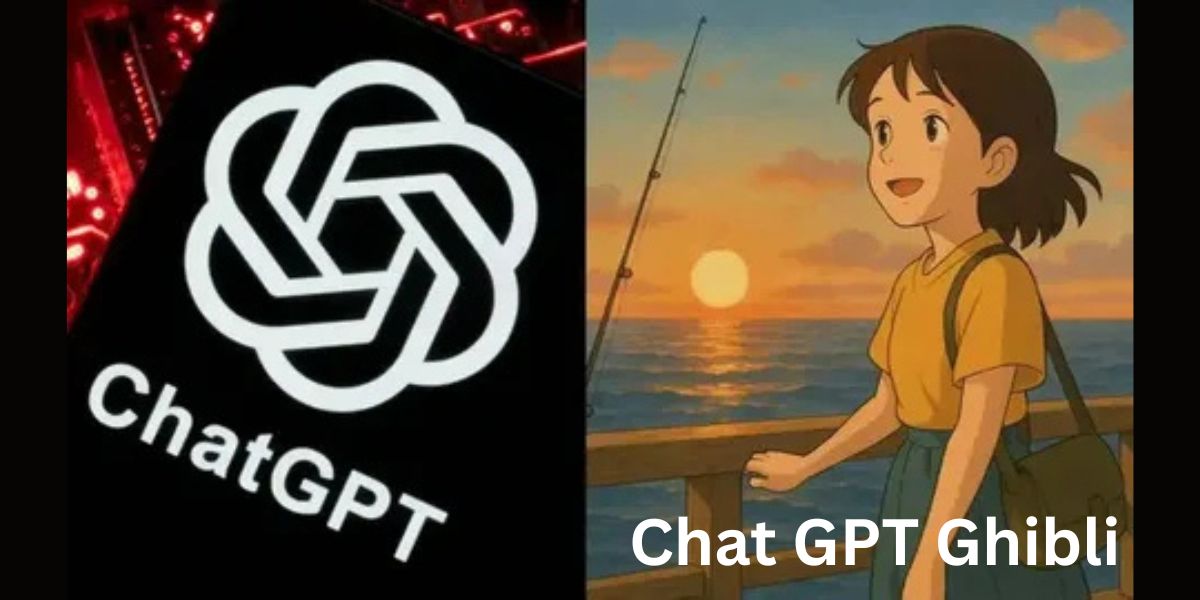
Chat GPT Ghibli: If you’ve searched chat gpt ghibli, you’re probably chasing a very specific feeling: warm light, hand-painted calm, nature that feels alive, and that “quiet magic” tone people associate with Studio Ghibli films. The good news is you can use ChatGPT to plan, write, and art-direct that aesthetic—without needing to be a professional illustrator or screenwriter.
This guide is built for real outcomes: clearer prompts, better scene direction, stronger originality, and fewer dead-end generations. You’ll learn how to describe the ingredients of the look and mood (color, lighting, textures, environments, character warmth, pacing), how to structure prompt iterations like a pro, and how to stay on the right side of platform rules and creative ethics—especially as image-generation policies and enforcement have evolved around “studio-style” requests.
What “Chat GPT Ghibli” Actually Means (And Why People Search It)
When people type chat gpt ghibli, they’re rarely asking for one thing. They usually want a complete workflow: generate a concept, convert a photo into a softer animated look, draft a story scene, or create prompt text for an image model that can render cozy fantasy visuals. The keyword sits at the intersection of text generation (writing, ideation, prompt engineering) and visual generation (image-to-image stylization, mood boards, and scene design).
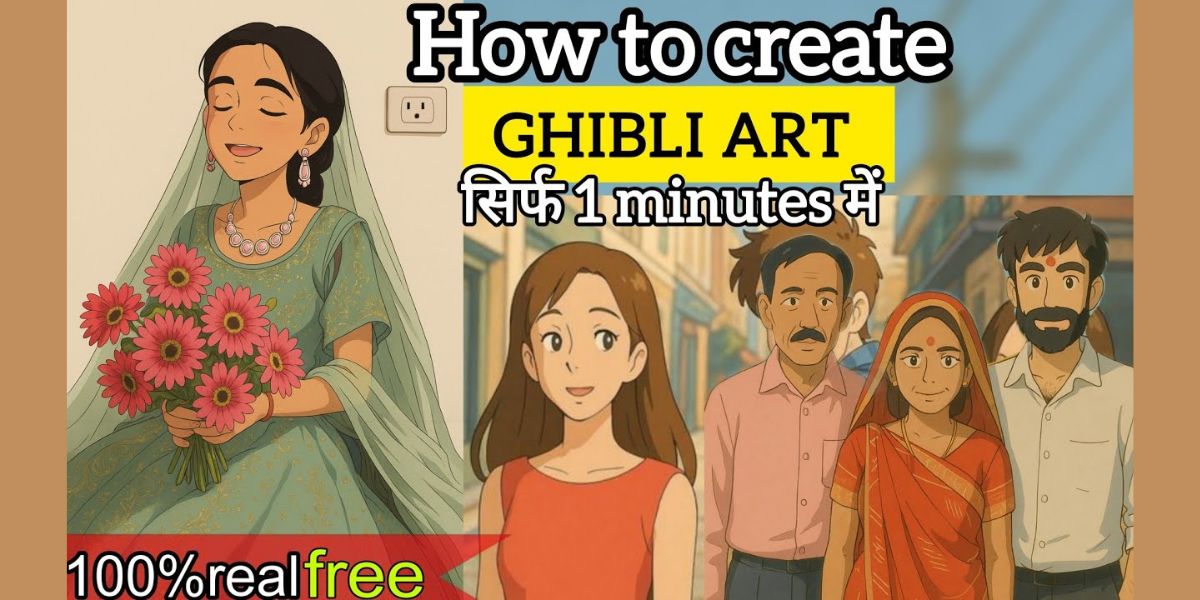
It also became a cultural moment: “Ghibli-like” images circulated widely online after major image tools made stylization more accessible, which intensified public debate about copyright, consent, and whether “studio style” requests cross a line. That tension is part of why this topic keeps trending—people want the vibe, but they also want to avoid takedowns, refusals, or reputational risk.
The Ghibli-Inspired Aesthetic: Describe the Ingredients, Not the Brand
The fastest way to get better outputs is to stop treating “Ghibli” as a magic word and start describing the measurable components: watercolor-like softness, gentle gradients, atmospheric perspective, warm natural lighting, and backgrounds with lived-in detail (plants, rooftops, signage, textures). Multiple guides that break down the look tend to converge on the same fundamentals: softness, painterly skies, nature detail, and a calm, storybook realism.
From a practical prompting standpoint, “brand-style” language is fragile—sometimes it works, sometimes it gets blocked, and sometimes it produces generic anime. Ingredient language is durable: you can ask for “hand-painted watercolor background, soft sky gradients, warm rim light, cozy rural town, gentle facial expressions, subtle film grain, cinematic wide shot” and get closer to the feel while keeping the creative direction original.
How ChatGPT Fits the Workflow: Writer’s Room + Art Director in One
Used well, chat gpt ghibli isn’t about one perfect prompt. It’s about building a small system: ChatGPT helps you define the world, pick a visual “language,” generate variations, and then refine based on what the model actually produces. That’s the same loop creative teams use: concept → iteration → constraint tightening → final polish.
In practice, ChatGPT is strongest at the parts humans often skip: translating a vague vibe (“cozy magical countryside”) into specific art direction (time of day, lens feel, palette, textures, character wardrobe, environmental storytelling). If you treat it like a co-pilot for creative specification—not just a prompt vending machine—you’ll see faster improvement and fewer random outputs.
The Core Prompt Formula That Consistently Improves Results
A reliable chat gpt ghibli prompt has four layers: subject, setting, atmosphere, and rendering cues. You can keep it conversational, but you should always pin down: who/what is in frame, where they are, what time/season it is, what emotion the scene carries, and what visual cues you care about (soft paint texture, gentle gradients, warm light, detailed background).
The second layer is constraints—these reduce chaos. Specify camera distance (close-up, medium, wide), viewpoint (eye-level, aerial), and composition (foreground subject, background village, sky occupying top third). Then add “avoid” guidance (no harsh neon, no glossy 3D look, no extreme contrast) in plain language. This ingredient-first structure holds up even when tools change or clamp down on explicit style-name requests.
Image-to-Image: Turning a Real Photo Into a Cozy Animated Concept
If your goal is converting a photo into a gentle animated look, you’ll get more consistent outcomes by telling ChatGPT what should remain true: facial structure, pose, background layout, and major colors. The most common failures in “photo stylization” are identity drift and clutter amplification—both improve when you explicitly anchor what must not change.
Also, pick your intention before prompting. Are you making a “character in a story world” portrait, or are you making a cinematic still? Portrait prompts benefit from “soft expression, warm skin tones, subtle painterly shading,” while cinematic stills benefit from “environment detail, atmospheric haze, golden-hour rim light, wide establishing shot.” Guides covering this trend consistently recommend uploading a strong base photo and iterating prompt wording to steer the aesthetic.
Ethics and Policy Reality: Why Some “Ghibli Style” Requests Get Refused
The policy and enforcement landscape matters for anyone building a repeatable chat gpt ghibli workflow. After the viral wave of “Ghibli-like” images, reporting described platforms tightening behavior around prompts that mimic specific living artists, while still allowing broader references to studios in some cases. That gray zone explains why one day a prompt works and the next day it’s blocked.
This is also where your phrasing choice pays off. If you rely on a single brand-style keyword, your workflow is brittle. If you rely on descriptive art direction (watercolor softness, warm lighting, pastoral whimsy, detailed hand-painted backgrounds), you can keep creating similar emotional outputs without pressuring the model to imitate a specific creator’s signature.
Originality Without Losing the Vibe: How to Make It Yours
A common misconception is that the “Ghibli feeling” is a fixed visual filter. In reality, it’s a blend of pacing, color, and story tone. You can stay in that emotional lane while shifting the worldbuilding: change the geography, change the technology level, change the cultural references, and you’ll naturally move away from imitation and toward an original creative identity.
Try swapping the default tropes. Instead of “forest spirits and old villages,” you can do “coastal fog towns,” “mountain tram lines,” “desert wind farms,” or “rainy megacity rooftop gardens.” The same gentle gradients and warm lighting can live in new environments. This approach is especially valuable for brands and publishers who want a cozy-fantasy aesthetic without legal or reputational ambiguity.
Iteration Strategy: The Three-Pass Method That Saves Time
Most people iterate randomly: they tweak adjectives and hope. Chat GPT Ghibli A more professional chat gpt ghibli loop uses three passes. Pass one sets composition and story: subject, setting, time, mood. Pass two locks rendering cues: soft watercolor texture, gentle gradients, atmospheric haze, hand-painted background detail. Pass three removes artifacts: inconsistent hands, clutter, weird text, and overly glossy shading.
This matters because modern image generators follow instructions better when you separate “what is happening” from “how it should look.” OpenAI’s image-generation launch notes emphasized stronger prompt-following and better integration with chat context—meaning your iteration conversation can act like a living creative brief, not a one-shot command.
Practical Prompt Examples You Can Adapt (Without Being Template-Like)
For chat gpt ghibli portrait concepts, focus on expression and lighting first: “gentle smile,” “soft eyes,” “warm window light,” “subtle painterly shading,” “hand-painted background.” Then add a story prop—bread bag, bicycle, umbrella—to make the scene feel lived-in.
For environment shots, prioritize depth and texture: “wide shot of a hillside town after rain,” “wet stone reflections,” “soft fog layers,” “warm lantern glow,” “detailed plants and signage,” “watercolor sky gradient.” These cues align with the common breakdowns of the aesthetic: soft gradients, watercolor feel, and rich environmental detail.
The Comparison Table: “Style-Name Prompting” vs “Ingredient Prompting” vs “Story-First Prompting”
Strong results come from choosing the right prompting mode for the job. Here’s a structured breakdown you can use as a decision tool for chat gpt ghibli workflows.
| Approach | What you write | Best for | Main risk | How to improve it |
|---|---|---|---|---|
| Style-name prompting | “in Studio Ghibli style” | Quick experimentation, casual social posts | Can be blocked or inconsistent as enforcement shifts | Add ingredient descriptors so the request stands on its own |
| Ingredient prompting | “soft watercolor textures, gentle gradients, warm natural light, detailed hand-painted background” | Reliable results, repeatable creative briefs | Can drift into generic “anime softness” | Add composition + story props + time-of-day constraints |
| Story-first prompting | “a young mechanic fixing a small airship on a coastal cliff at sunset; quiet, hopeful mood” | Editorial illustrations, brand storytelling, cinematic stills | Visual style may vary across generations | Add a short rendering block (texture, palette, lighting, lens feel) |
Common Failure Modes (And How to Fix Them Fast)
If your chat gpt ghibli outputs look “flat,” the issue is usually missing lighting direction and atmospheric depth. Add “golden-hour rim light,” “soft haze,” “layered distance fog,” and “subtle shadow gradients.” If outputs look too sharp or too digital, explicitly request “painterly edges,” “watercolor wash,” and “reduced micro-contrast,” because many generators default to crispness.
If characters don’t feel emotionally warm, stop adding more adjectives and start adding context: what the character wants, what just happened, what they’re holding, what the weather feels like. Emotion is often a story variable, not a style variable—and once the story variable is present, the visuals tend to follow.
Using ChatGPT for Scripted Scenes and Micro-Stories in the Same Aesthetic
Not every chat gpt ghibli request needs an image. Some of the highest-engagement content is written: short scenes that feel cinematic, cozy, and emotionally grounded. You can ask for a “two-minute scene” with quiet dialogue, sensory detail, and gentle humor—then reuse that output as the backbone for an illustration prompt.
This is where you can outperform generic web content. Instead of “write a story,” request a tight creative spec: setting, conflict, sensory motif (steam, rain, bread, lanterns), and an ending beat that lands softly. A consistent sensory motif does more to evoke the vibe than stuffing the prompt with style keywords.
Brand and SEO Use Cases: Why This Topic Converts Traffic
People searching chat gpt ghibli include hobbyists, but also marketers, publishers, and creators building shareable assets. The reason is simple: the cozy-fantasy aesthetic drives high engagement—people linger, share, and comment because it triggers nostalgia and comfort. That’s why the viral wave produced so many memes and personal transformations when image generation made it easy to try.
For SEO, the opportunity is topical authority. A definitive resource can cover: prompting, iteration workflows, ethical framing, tool capabilities, and troubleshooting—exactly what most thin “Chat GPT Ghibli how-to” pages skip. If you’re building a site around creative AI, this keyword cluster also supports internal linking to “AI art prompts,” “anime background prompts,” “cozy fantasy writing,” and “image-to-image best practices.”
Safe, Practical Guardrails for Publishing and Client Work
If you’re producing client deliverables with a chat gpt ghibli vibe, treat “Ghibli” as audience shorthand, not a production instruction. Your publishable spec should be ingredient-based: “painterly watercolor softness, warm natural lighting, whimsical realism, detailed environment design.” This reduces refusal risk and keeps your creative intent defensible.
You should also document your process like a mini creative brief: what you asked for, what you changed, and what you used as reference. The more viral and controversial a trend becomes, the more valuable process notes are—especially when public reporting highlights the copyright and consent debates surrounding “style replication.”
Conclusion: Make “Chat GPT Ghibli” a Workflow, Not a One-Line Prompt
The best chat gpt ghibli results come from shifting your mindset: you’re not hunting a secret phrase, you’re building a repeatable creative system. Describe ingredients, lock composition, iterate in passes, and use story context to generate warmth. When you do that, you’ll get outputs that feel cozy and cinematic while staying more original and more resilient to policy shifts.
If you want one takeaway to remember: when the style-name fails, the ingredients still work. Focus on lighting, softness, environment detail, and emotional tone—and you’ll keep the magic without depending on a single fragile keyword.
FAQ: Chat GPT Ghibli
What does “chat gpt ghibli” usually refer to?
Most people mean using ChatGPT to write Ghibli-inspired prompts, stories, or image concepts—often tied to cozy, painterly visuals and gentle, cinematic mood.
Why do some “Ghibli style” prompts get blocked?
Reporting has described platforms tightening enforcement around requests that mimic specific living artists, while sometimes allowing broader studio-style references—so results can vary over time.
How can I get the look without relying on the studio name?
Use ingredient language: soft watercolor textures, gentle gradients, warm natural light, detailed hand-painted backgrounds, and calm atmospheric depth.
Is chat gpt ghibli better for portraits or landscapes?
Both work, but landscapes often look more convincing because the aesthetic is strongly tied to environment detail, sky gradients, and atmospheric perspective.
What’s the single best improvement I can make to my prompts?
Add a clear lighting and time-of-day direction (sunset rim light, rainy overcast softness, morning window light) and then iterate in three passes: composition, rendering cues, cleanup.
Can ChatGPT help even if I’m not generating images?
Yes—chat gpt ghibli is excellent for micro-stories, scene outlines, dialogue beats, and worldbuilding that you can later turn into illustrations or video storyboards.