


Solo Leveling Characters: Every Major Hunter, Monarch, and Fan-Favorite in the Anime (Season 2 Explained + Season 3 Outlook)
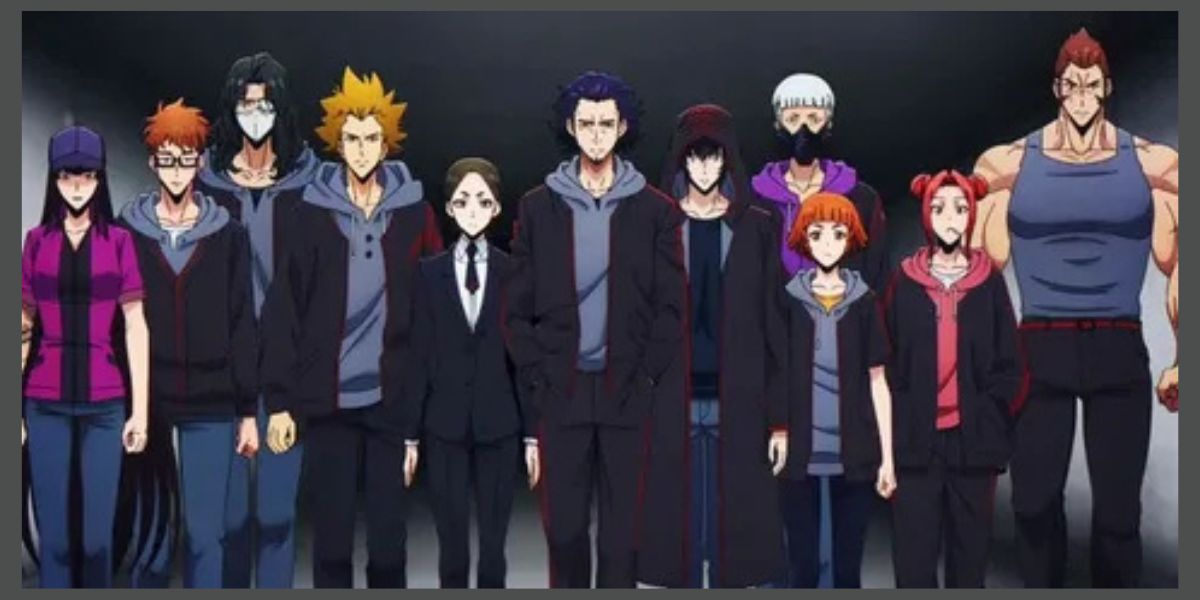
Solo Leveling Characters: If you’re searching for solo leveling characters, you’re probably trying to do one of two things: remember who’s who after a fast-paced arc, or understand why certain names keep popping up in discussions about power scaling, guild politics, and the Shadow Monarch storyline. Solo Leveling moves quickly by design, and the cast expands as the stakes scale from local dungeon raids to world-level threats.
This guide is built as a definitive resource for solo leveling characters, with clear roles, relationships, and narrative purpose—not just a list of names. It also connects the character roster to where the anime currently stands, including solo leveling season 2’s broadcast window and what’s actually known (and not known) about the solo leveling season 3 release date. Season 2’s airing period and distribution details are widely reported by major outlets such as Crunchyroll and schedule trackers.
What “Solo Leveling Characters” Really Means: More Than a Cast List
When fans say solo leveling characters, they usually mean the “power ecosystem” of the series: hunters (ranked by capability), guild leaders who control resources, government figures who shape policy, and supernatural entities whose existence redefines what “strength” even is. That ecosystem is what makes the show feel like a living world rather than a single protagonist sprinting through fights.
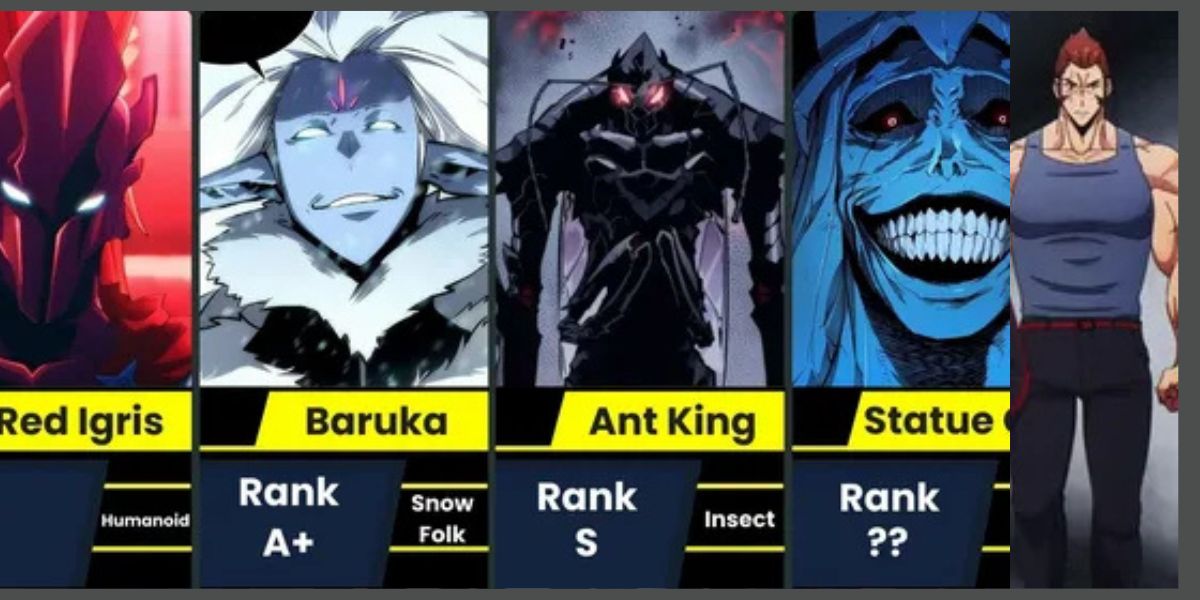
A good solo leveling characters guide should answer practical questions: Who drives the plot? Who is a foil for Jinwoo’s growth? Who represents institutional power, and who represents existential threat? That lens helps you remember names because you remember function—and in Solo Leveling, function is tightly tied to power, information, and allegiance.
Sung Jinwoo: The Center of Gravity for Solo Leveling Characters
Sung Jinwoo isn’t just the protagonist; he’s the gravitational force that reorganizes the entire hierarchy of solo leveling characters. Early on, he’s framed as fragile and disposable in a system that ranks human worth by combat rating. After the “System” changes him, the story becomes a controlled escalation of capability, where each new opponent is a test of strategy, identity, and restraint rather than raw violence alone.
What makes Jinwoo compelling in a cast this large is that other solo leveling characters are defined by how they respond to him. Some see an asset, others a threat, others a mystery that could destabilize global balance. That dynamic is why his relationships matter: each bond or rivalry reveals a different angle of the world’s rules.
Cha Hae-In: The Emotional Anchor and High-Impact S-Rank Presence
Cha Hae-In stands out among solo leveling characters because she combines elite combat credibility with a narrative role that isn’t purely political or antagonistic. As an S-Rank hunter, she represents the upper ceiling of “human” power before the story’s supernatural scale truly breaks open. She also acts as a character who can challenge Jinwoo without needing to “out-stat” him—she challenges him through perception, presence, and stakes.
In discussions of solo leveling characters, Cha often becomes the hinge between spectacle and sincerity. She helps the story breathe. In a world where strength can isolate you, she’s one of the few who can approach Jinwoo as a person rather than as a strategic resource or a problem to solve.
Yoo Jinho and the Value of Loyalty in a Power-Obsessed World
Yoo Jinho is one of the most important solo leveling characters for a simple reason: he introduces loyalty that isn’t transactional. In a setting where guild politics and rank-based status dominate, Jinho’s role isn’t to match Jinwoo’s power—it’s to keep him connected to humanity and decision-making that isn’t purely optimized for battle.
For readers and viewers tracking solo leveling characters, Jinho is also a storytelling tool that clarifies scale. When Jinho reacts to threats, the audience gets a grounded reference point. His presence keeps arcs from becoming abstract power math, and that balance becomes even more valuable as the series accelerates into higher-level conflict.
Go Gunhee: Authority, Wisdom, and the Political Stakes of Hunters
Go Gunhee represents institutional authority in the solo leveling characters lineup: he’s a key figure in how society regulates hunters, responds to gates, and decides who gets protected, funded, or sacrificed. He matters because he understands the difference between power as a weapon and power as a destabilizing force.
In practical narrative terms, Go Gunhee helps translate Jinwoo’s rise into political consequence. Without characters like him, Solo Leveling would be only combat progression. With him, the story becomes a broader argument about what happens when one person’s growth outpaces every existing system meant to contain risk.
Guild Leaders and S-Rank Hunters: The Human “Top Tier”
A big chunk of the solo leveling characters people search for are the prominent S-Ranks and guild leaders who shape Korea’s hunter economy. Names like Baek Yoonho and Choi Jong-In matter because they embody different leadership styles: brute-force dominance, strategic control, public image management, and resource allocation under constant threat.
These figures also function as measuring sticks. Even when Jinwoo surpasses them, their reactions provide tension: disbelief, caution, rivalry, admiration, or fear. If you’re building a mental map of solo leveling characters, grouping them by “institutional power” is a fast way to remember why they’re on-screen and what they’re protecting.
The Shadow Army: Why Jinwoo’s Summons Count as Key Characters
In most series, summons are tools. In Solo Leveling, the shadow soldiers often feel like distinct solo leveling characters because they carry identity, continuity, and emotional resonance. They’re not just damage output; they’re symbols of victory, reminders of past battles, and visual proof of Jinwoo’s unique role as the Shadow Monarch.
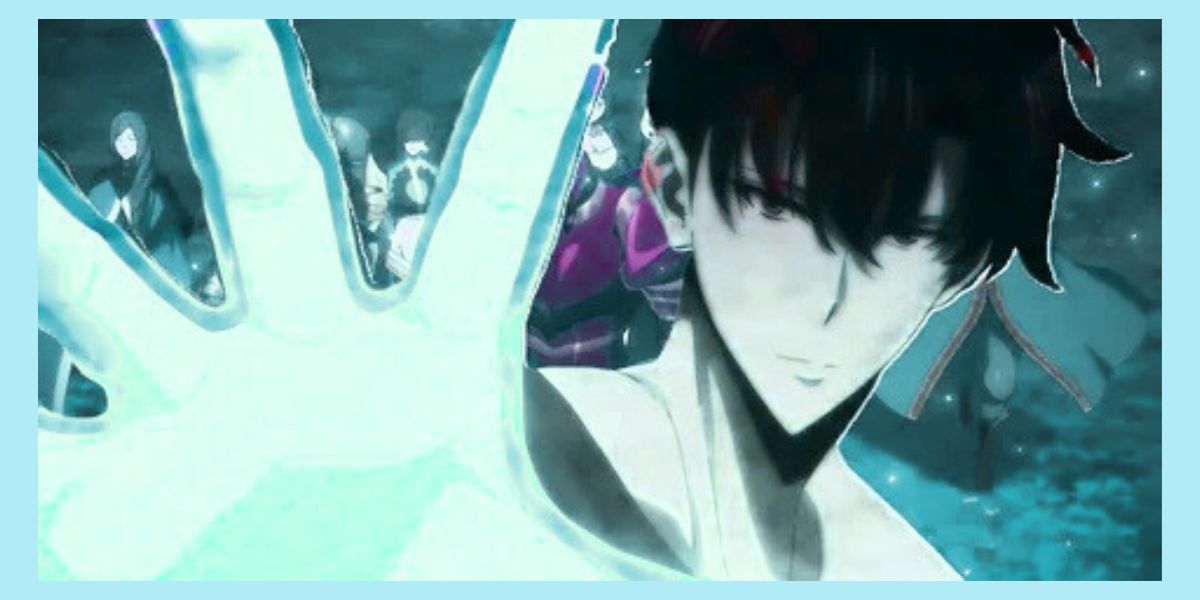
This is also where the fandom’s language matters. Many fans discuss solo leveling characters by including iconic shadows because they’re part of the series’ signature fantasy: the idea that triumph becomes an army, and that an enemy can return as a permanent advantage. That mechanic turns fights into roster-building, which keeps engagement high across arcs.
Monarchs, Rulers, and the True Power Ladder
The deeper you go, the more solo leveling characters stop being “hunters” and start being cosmic pieces in a war that predates humanity’s awareness. Monarchs and Rulers reshape the series from dungeon survival into existential conflict. This is where “rank” becomes almost irrelevant, because the scale is no longer human.
If you’re writing for maximum topical authority, this is the section that keeps people reading. The Monarch/Ruler framework is the key to explaining why Solo Leveling escalates so hard—and why character introductions later in the story feel like turning points, not just new opponents. Even when you avoid spoilers, you can still clarify that the cast expands upward into mythic territory, which is core to understanding solo leveling characters beyond the first arcs.
Solo Leveling Season 2: Where the Anime Stands and Why Characters Shift
Solo leveling season 2 (titled Arise from the Shadow) has been officially framed as a continuation that pushes Jinwoo’s identity and public presence forward, which naturally brings new solo leveling characters into focus while repositioning others. In other words: the cast doesn’t just expand—it reorganizes around the consequences of Jinwoo’s growth.
For schedule context, major listings and guides report season 2’s run in early 2025, with weekly releases and a finale in late March depending on region/time zones. That “airing window” matters for character search demand: whenever big episodes drop, interest spikes for the names who dominated that week’s plot and fights.
Solo Leveling Season 3 Release Date: What’s Confirmed vs What’s Speculation
As of the most recent credible reporting, there has been no official confirmation of a solo leveling season 3 release date. The clean, accurate way to say it is: fans are watching for an announcement, but reputable outlets have stressed that season 3 has not been formally locked in with a public date.
What’s driving speculation is the gap between audience demand and production reality. One notable point circulating in coverage is a producer’s teasing tone on social media—fuel for fan excitement, but not a calendar commitment. A useful way to quote that moment without overstating it is the producer’s message implying people should “wait a little longer,” which signals anticipation without confirming timing.
Table: Solo Leveling Characters by Role, Power Function, and “Why They Matter”
If you want a fast-reference breakdown of solo leveling characters, the most useful table isn’t “name + rank.” It’s “name + narrative function,” because function is what your brain remembers. This table is designed for skimmers, editors, and fans trying to reconnect the cast to the story’s structure.
| Character/Group | Category | Power Function | Why They Matter to the Story |
|---|---|---|---|
| Sung Jinwoo | Protagonist | System growth, Shadow army | Rewrites the world’s balance and escalates stakes |
| Cha Hae-In | S-Rank Hunter | Elite human ceiling | Adds credibility, tension, and relational grounding |
| Yoo Jinho | Ally | Loyalty, logistics, perspective | Humanizes the narrative and stabilizes decisions |
| Go Gunhee | Authority figure | Policy, oversight, judgment | Connects power growth to political consequences |
| Guild leaders (various) | Institutions | Resources, reputation, strategy | Show how society monetizes and manages hunters |
| Shadow soldiers | Supernatural roster | Persistent strength, identity | Turn victories into a living cast with continuity |
| Monarchs/Rulers | Mythic tier | Existential conflict | Explain the “true game” behind gates and power |
Use this framework whenever you update content for solo leveling season 2 or future arcs. It adapts cleanly because new characters can be slotted by function, which keeps your article evergreen even as the roster grows.
How to Remember Solo Leveling Characters Without Rewatching Everything
The simplest memory hack for solo leveling characters is to sort them into four buckets: core relationships, institutional power, combat benchmarks, and mythic forces. Core relationships are the people who shape Jinwoo’s choices. Institutional power is the world’s attempt to govern chaos. Combat benchmarks are the “human ceiling” characters who show how extreme Jinwoo has become. Mythic forces are the late-game architecture that redefines the series.
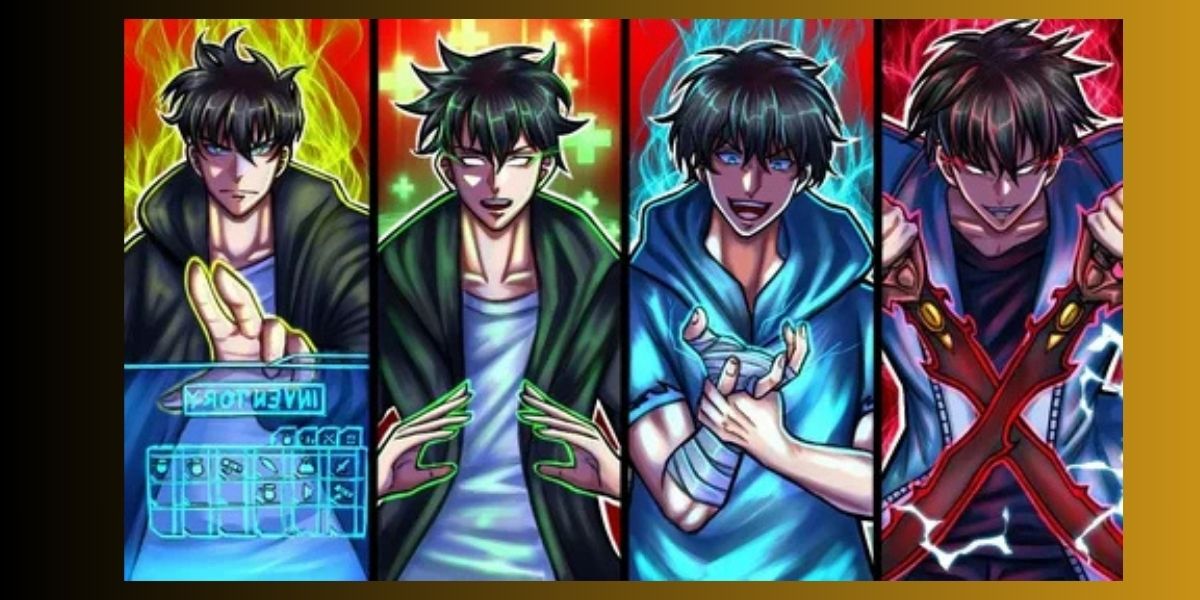
This also improves SEO engagement because it gives readers a reason to stay: you’re not asking them to memorize names, you’re giving them a mental model. When your reader can classify a character in seconds, they stop bouncing back to search—and they start trusting your page as the best answer for solo leveling characters.
Common Misconceptions About Solo Leveling Characters That Hurt Understanding
A frequent misconception is that all important solo leveling characters are defined purely by rank. Rank matters early, but later, the story cares more about origin, allegiance, and what kind of power a character represents. That’s why two characters who look “similar strength” on paper can carry completely different narrative weight depending on what they reveal about the world.
Another misconception is treating side characters as disposable. Solo Leveling does move fast, but it uses supporting cast strategically: to show social reaction, to create political consequence, and to escalate the sense that gates are a societal trauma—not just a fight arena. Reading solo leveling characters through that lens makes the series feel richer and more coherent.
Conclusion: Why Solo Leveling Characters Keep Fans Hooked Across Seasons
The reason solo leveling characters remain so searchable is that the series turns character introduction into an event. Each meaningful new name either reshapes the power ladder, reveals a hidden rule, or forces Jinwoo into a choice that isn’t solved by strength alone. That makes character knowledge feel rewarding—because remembering who someone is often clarifies the stakes instantly.
As the anime audience looks beyond solo leveling season 2 and keeps asking about the solo leveling season 3 release date, character guides become even more valuable. When announcements arrive, interest will surge again—but the pages that rank best will be the ones that explain roles, relationships, and story function clearly, not the ones that simply copy lists.
FAQs
Which solo leveling characters are most important to know first?
The core solo leveling characters to learn early are Sung Jinwoo, Cha Hae-In, Yoo Jinho, and key authority/guild figures because they define the story’s relationships, stakes, and power structure.
Are the Shadow soldiers considered solo leveling characters?
Many fans treat them as solo leveling characters because they recur, evolve in meaning, and act like a living roster tied to Jinwoo’s identity rather than disposable summons.
Where does solo leveling season 2 fit in the character timeline?
Solo leveling season 2 pushes Jinwoo’s public status and the scale of threats forward, which naturally increases the number of solo leveling characters who matter in politics, guild dynamics, and higher-tier conflicts.
What is the official solo leveling season 3 release date right now?
There is no officially confirmed solo leveling season 3 release date in the latest credible coverage; reporting emphasizes that fans are waiting for a formal announcement rather than a locked schedule.
How can I keep track of solo leveling characters as the cast expands?
The best method is to classify solo leveling characters by function—core relationships, institutional power, combat benchmarks, and mythic forces—so each new name has a clear “reason for existing” in the story.
Do rankings like S-Rank fully explain solo leveling characters later in the story?
Not really; as the series escalates, solo leveling characters are better understood through origin, allegiance, and the type of power they represent, because the mythic tier changes what “rank” can explain.