


Tacko Fall: Height, Stats, Career Path, and What a 7’6″ Center Means in Modern Basketball
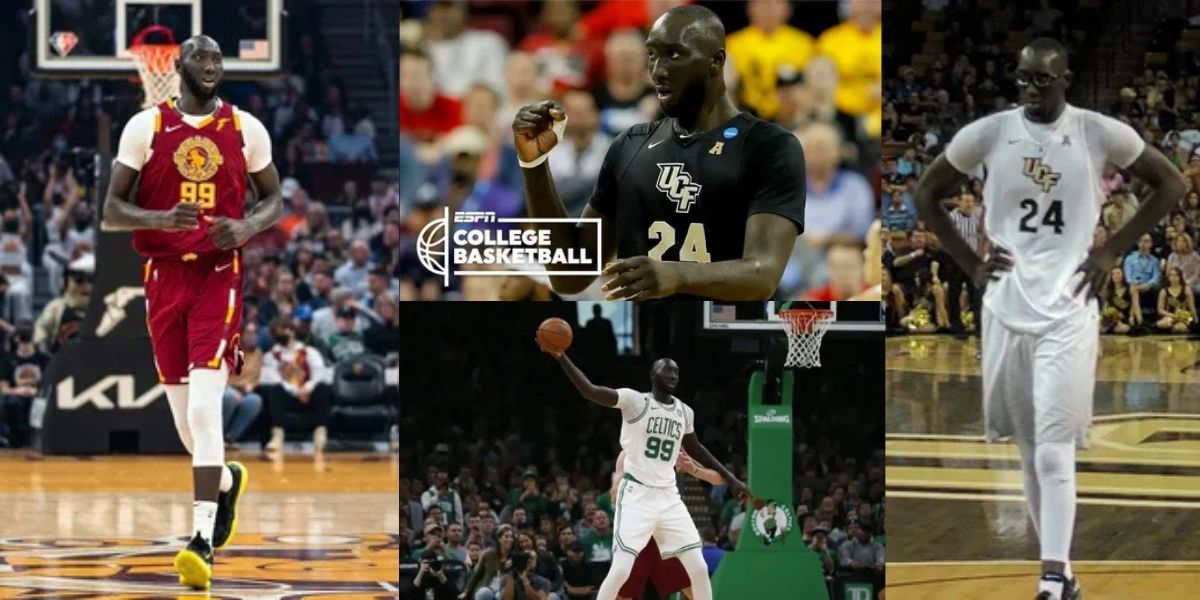
Tacko fall: If you only know Tacko Fall as “the really tall guy,” you’re missing the more interesting story: how a true outlier body type tries to earn “every-possession value” in a league that increasingly prizes space, speed, and decision-making. He is officially listed at 7’6″ and 311 pounds, which immediately changes how defenses and offenses behave—even before he touches the ball.
Today, he’s also a case study in how pro basketball has globalized. After NBA stints, he continued his career internationally and, per transaction reporting, signed with the Ningbo Rockets in China’s CBA in late summer 2025.
“His length and rim protection will allow us to be more aggressive defensively.”
| Snapshot | What it tells you | Verified detail |
|---|---|---|
| Listed height/weight | The baseline matchup problem | 7’6″, 311 lb |
| NBA per-game line | Output in limited minutes | 2.2 PPG, 2.4 RPG, 0.2 APG |
| NBA career totals | What he produced in real possessions | 37 GP, 82 PTS, 90 REB, 30 BLK |
| Extreme-length metric | Why he’s a once-a-generation geometry shift | 10-foot, 2.5-inch standing reach (combine record, reported) |
| Current pro context | Why fans still track him | CBA signing with Ningbo Rockets (transaction log) |
The appeal of an outlier center in a perimeter league
The modern game is built around advantages you can repeat: driving lanes created by spacing, switches forced by screening, and quick reads that punish rotations. A 7’6″ center is a different kind of advantage—less about “creating” space and more about deleting it. When he’s near the rim, the court shrinks for opponents in ways that aren’t always captured by box scores, because deterrence rarely shows up as a counted stat.

This is why Tacko Fall became such a persistent conversation. His presence creates a simple question that coaches obsess over: can your scheme survive the trade-off? If you play him, do you lose too much speed on the perimeter; if you don’t, do you give up too many layups and offensive rebounds? The fascination isn’t novelty—it’s that his body forces basketball to reveal its priorities.
tacko fall height and why measurement details matter
Search traffic around “tacko fall height” is really traffic around physics. The NBA’s listed height matters because it determines how teams think about rim protection, lob windows, and how high the “no-fly zone” extends. Officially, he’s listed at 7’6″ (2.29m). That number is not trivia; it’s the baseline for every tactical decision involving him.
Height also changes the error tolerance of the game. Guards can throw passes that would be turnovers with an average rim runner but become clean catches for someone with elite reach. Conversely, opponents need cleaner floaters, sharper angles, and more deception, because a late contest can still be a block when the contesting arm starts where most players jump to reach.
how tall is tacko fall compared with today’s tallest pros
When people ask “how tall is tacko fall,” they usually want comparison, not a single measurement. At 7’6″, he sits in a rare tier where there are only a handful of historical peers, and almost none with the mobility expectations the current era demands. In practical terms, that means every roster he joins has to treat him like a specialized tool rather than a generic “center.”
The comparison lens also shows why his career has moved across leagues. In the NBA, teams often require bigs to cover space defensively and make rapid passing decisions from the short roll. In many international contexts, the paint can be more congested, the pace can vary, and teams may be more willing to build a specific defensive identity around a towering anchor—especially if that anchor changes opponent shot selection immediately.
A late start that shaped his style and learning curve
One of the under-discussed elements of his development is that he did not follow the typical “AAU-from-childhood” path. In a long-form interview, he described arriving in the U.S. and still learning foundational strength work at 16, including struggling to lift an empty bar. That matters because the game’s instincts—angles, footwork, processing speed—are often built through years of repetition.
A late start can create a specific profile: high-impact, simple actions (screen, roll, contest, rebound) become reliable faster than complex reads (short-roll passing under pressure, switching onto guards without fouling). That doesn’t cap potential, but it influences how coaches deploy him. The smartest usage tends to emphasize what can be repeated cleanly, possession after possession, without asking him to win in areas where reps—not size—are the deciding factor.
UCF years: building an elite defensive identity
College was where he became more than a curiosity and started looking like a system. UCF leaned into the idea that vertical size can substitute for some lateral speed: stay home, protect the rim, force opponents into tougher finishing choices. At that level, the combination of reach and timing can become a strategic shield for teammates, allowing more aggressive perimeter pressure because the back line is unusually intimidating.
His college profile also illustrates a key principle: a rim protector’s value is partly psychological. Drivers change their plan when they see a massive contest waiting. Even when a shot goes in, it may be rushed, off-balance, or taken from an altered angle that reduces efficiency over time. That’s why coaches can justify building around a paint anchor—if the anchor is consistent, teammates defend differently, and your whole defense inherits confidence.
What the combine-style numbers reveal about his tools
Measurements are only meaningful when they describe what happens on the court. The standout number in his profile is the reported 10-foot, 2.5-inch standing reach, described as an NBA combine record. Standing reach is often more telling than height because it translates directly to contest radius without requiring a jump, which is critical for durability and foul avoidance.
The second implication is finishing efficiency. A player who can dunk without needing maximal elevation turns “tight windows” into “normal windows.” Lobs, drop-offs, and dump-downs become easier because the catch point is higher than the defense can reasonably contest. This is why teams keep taking looks at extreme-length centers: if your offense can manufacture a few clean rim touches a night, efficiency can spike without needing post-ups or isolations.
Rim protection mechanics: timing, verticality, and deterrence
Elite rim protection isn’t only about swatting shots; it’s about contesting without compromising the defense behind you. With extreme height, the best version of this archetype plays “late but still on time.” He can wait an extra beat—letting the driver commit—then contest at a height where the shooter has no second option. That ability can reduce fouls because it encourages vertical contests rather than lunging blocks.
The larger value is deterrence. When opponents repeatedly see that their usual layup angles are no longer viable, they start settling. That means more floaters, more short pull-ups, and more hurried kick-outs late in the clock. The box score may credit a teammate with a rebound or a contested miss, but the sequence begins with the rim protector changing the initial decision tree.
Offensive role clarity: dunker spot, screens, and quick decisions
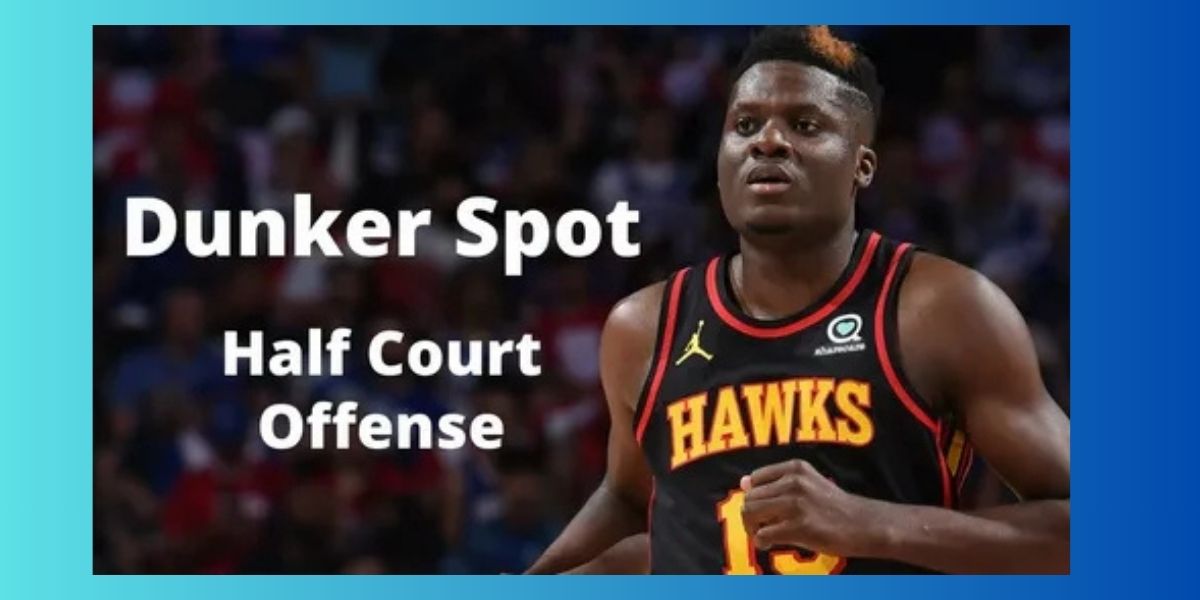
Offense for a giant center works when it is simple, fast, and geometry-driven. The dunker spot forces help defenders to make uncomfortable choices: tag the roller and concede a dump-down dunk, or stay home and allow the ball handler space to finish. With his listed size, the “dump-down” is often a high-percentage action because the catch point is above normal contest angles.
Screening is the other silent value. Big screens are not just contact; they’re timing, angle, and re-screen discipline. When a screen actually connects, it creates separation that a guard can convert into an advantage immediately. The most sustainable offensive usage tends to be screens, rim runs, and offensive rebounding—actions that don’t require constant dribbling or advanced shot creation, but still generate efficient possessions.
Foot speed and agility: the real constraint teams must price in
Every team that evaluates a towering center asks the same question: can he survive the actions opponents will spam? In the NBA, that means pick-and-rolls that force bigs into space, five-out spacing that pulls rim protectors away from the rim, and guards hunting switches to create isolation drives. The challenge isn’t whether he can block shots; it’s whether he can consistently arrive on time without giving up easy pull-up threes or corner passes.
This is where “specialization” becomes rational. A specialist doesn’t need to be great in every matchup—he needs to be clearly positive in the matchups you choose to play him. The role can be matchup-based minutes, a bench identity, or a scheme shift that changes the rhythm of the game. The key is honesty: you don’t pretend the archetype is universal; you deploy it like a chess piece.
Conditioning and minutes: why “playability” beats highlight value
Conditioning for an extreme-height athlete is not only about lungs—it’s also about joints, recovery, and repeat sprint ability. Teams evaluate whether a player can do the same job in minute 3 and minute 18, because the league punishes fatigue with pace and spacing. If a center’s second or third transition run turns into a late rotation, the whole defense bends.
This is why minutes matter as a developmental metric. Limited minutes aren’t always an indictment; they can be a strategic cap to keep performance sharp and reduce exposure to the worst matchups. Over time, the goal becomes expanding the menu: survive a few more coverage types, execute the same reads a half-second faster, and maintain vertical contests without fouling as fatigue rises.
tacko fall stats and what the NBA numbers do and don’t tell you
If you’re Googling “tacko fall stats,” the NBA line is the cleanest baseline because it’s recorded possession-by-possession in the highest-visibility league. ESPN lists his NBA career at 37 games with 2.2 points per game, 2.4 rebounds per game, and 0.8 blocks per game in 6.2 minutes. Those numbers are real, but they must be read as “role output,” not “star output,” because the minutes are highly context-dependent.
The totals help clarify the same point. ESPN’s career totals list 82 points, 90 rebounds, and 30 blocks. That’s not a failure; it’s a snapshot of a player used in specific situations, often late in games, in certain matchups, or as a developmental piece. The correct interpretation is tactical: what did teams want when they put him on the floor, and did he deliver that narrow objective?
Why per-minute context matters more than raw totals
Evaluating a specialist requires a specialist lens. If a player’s minutes come in short bursts, the first question is whether those bursts were positive in the categories that justify playing him: rim protection, defensive rebounding, screening, and high-percentage finishing. When those categories are strong, a coach can rationally “steal” minutes in matchups that favor the archetype.
The second question is scalability. Can the same job be done at higher usage or longer stints? That is where conditioning, foul rate, and opponent adjustment matter. An opposing team may attack the same weakness more aggressively once they know he’s staying on the floor. In other words, the minutes aren’t just a quantity; they are an exposure test, and the league is extremely good at turning exposure into exploitation.
The Boston run: development, two-way economics, and fan momentum
His time in Boston is central to understanding why he became a cultural fixture. A storied franchise, an engaged fan base, and a roster that could afford “development minutes” created the perfect environment for a specialist to become a phenomenon. The crowd response wasn’t only about height; it was about the feeling that a unique player might crack the rotation through persistence, not hype.
There’s also a roster-building reality here: teams love cheap, controllable upside at the end of the bench. Two-way contracts and developmental assignments let franchises test whether a player’s narrow strengths can translate into reliable NBA possessions. In that ecosystem, the question isn’t “can he be a starter?” but “can he reliably win his 6–10 minutes without forcing us to change everything else?”
The Cleveland stint: different system, similar roster math
A change of team often reveals what is truly portable. Rim protection, finishing, and size are portable; the offensive reads and defensive coverages depend more on system. In Cleveland, the evaluation lens would have been similar: can he execute the scheme’s rules cleanly enough to be trusted in real rotation minutes, especially against lineups designed to pull him away from the rim?
This is where the league’s roster math becomes unforgiving. If a team already has a primary center, a backup who must be protected schematically is harder to justify—unless the specialist provides a clear counterpunch. Coaches will keep a unique big if he can swing a matchup or change the tone of a quarter. Otherwise, teams often prefer a more “neutral” backup who can survive switching, hedge-and-recover, and keep the offense flowing without extra accommodations.
International basketball: why China and the NBL fit his profile
The international phase of his career isn’t a footnote; it’s a rational continuation. Transaction reporting in the Chinese league context lists him signing with the Ningbo Rockets. That matters because leagues outside the NBA can offer a different blend of role clarity, usage, and strategic tolerance for specialists—especially when the specialist is a massive interior anchor who changes the paint immediately.
He also signed with the Nanjing Monkey Kings in 2023, per reporting that cites Shams Charania. When teams want a defined defensive identity, an ultra-tall center can become the fastest way to build it: protect the rim, win the glass, and force opponents into half-court shots. For players, it can also mean more consistent minutes—more reps, more rhythm, and more opportunities to expand the skill set beyond “survive in short bursts.”
The business side: jerseys, attention, and the cult-hero effect
Player value isn’t only on-court. A uniquely identifiable athlete generates attention that standard role players rarely do. That attention can translate into ticket interest, social engagement, and “appointment viewing” moments—especially when the player’s presence is visually obvious even to casual fans. This doesn’t replace basketball value, but it can amplify it when the on-court role is already positive.
The smart way to think about this is durability of interest. Fans don’t stay engaged just because someone is tall; they stay engaged because the player seems human, grounded, and committed to improving. In a GQ interview, he pushed back against being treated as a spectacle, saying he didn’t want to be a “freak show” and emphasizing his humanity. That kind of framing turns novelty into narrative, and narrative is what lasts.
Coaching tactics: how opponents attack a 7’6″ defender
Opponents generally attack towering centers by forcing movement decisions. They’ll run high pick-and-rolls to drag the big above the foul line, put shooters in both corners to punish help, and use quick re-screens to create confusion. The goal is to make the big choose between protecting the rim and contesting the ball handler’s pull-up, then punish the choice with a pass.
The other common tactic is “empty-corner” action, where the weak-side corner is cleared so the help defender can’t easily rotate without giving up a corner three. Against an elite rim protector, teams also use short floaters and runners that are harder to block cleanly, plus pocket passes that force the big to decide whether to step up or retreat. It becomes less about strength and more about processing: see it, decide, arrive.
How to build a roster around him without losing modern spacing
A team that wants to maximize this archetype typically surrounds him with speed and shooting. The defensive idea is straightforward: funnel drives toward the rim and let the big’s presence do the rest. The offensive idea is equally simple: create space so the dunker spot stays available, and use shooting gravity to keep the paint from getting crowded.
The key roster principle is reducing “two-non-shooters” lineups. When multiple players can’t punish help, the floor collapses and the big’s finishing lanes disappear. If you pair an interior center with shaky spacing, you force him into awkward post possessions and late-clock bailouts—situations that increase turnovers and reduce efficiency. The best lineups treat him as a finisher and deterrent, not a creator.
Injury prevention and longevity for extreme-height athletes
Extreme height is both a weapon and a workload. Teams managing very tall athletes emphasize joint health, flexibility, and recovery routines because the lever lengths and forces on knees, hips, and feet are nontrivial. This is also where minute management becomes strategy, not caution: shorter stints can keep explosiveness and timing intact, which are essential to rim protection.
Longevity also depends on style. Players who rely on raw athleticism can age abruptly; players who rely on positioning and timing can remain useful longer, especially in matchup roles. The archetype that lasts is usually the one that learns “minimum movement, maximum impact”—arrive early, hold verticality, communicate coverages, and make the simple pass quickly. Those skills travel across leagues and across years.
What analytics miss: lineup fit, foul rate, and opponent shot quality
Basic stats understate a rim deterrent because “shots not taken” don’t exist in the ledger. Advanced tracking can get closer by measuring opponent efficiency at the rim, frequency of rim attempts, and how often drivers kick out instead of finishing. But even then, lineup fit matters: a great rim protector looks worse if the perimeter can’t contain dribbles, because every possession becomes a scramble.
Foul rate is another hidden hinge. If a towering center picks up early fouls, the entire advantage evaporates. The most valuable version is disciplined: contests vertically, avoids swiping down, and trusts that size is enough. Opponent shot quality is the end goal—force harder shots, keep them off the line, end possessions with rebounds. When those outcomes happen, a specialist can swing games even if the points column stays quiet.
What young bigs can learn from his path
There’s a useful lesson in how an unusual athlete stays relevant: by leaning into repeatable value. For young centers, that means becoming elite at screens, rolls, rim contests, and defensive rebounds before chasing “guard skills.” Skill expansion matters, but role reliability is what earns minutes, and minutes are what create the environment for growth.
The second lesson is humility about fit. Not every system will maximize you, and that’s not always a personal failure. Sometimes the smartest move is choosing a league, team, or role that amplifies your strengths rather than exposing your weaknesses. A global career can still be a high-level career, especially when it creates consistent reps and a clear identity you can own.
Where the story goes next: realistic roles and watch points
Going forward, the realistic pathway is “situational dominance.” That might mean anchoring a defense in a league that embraces interior size, or returning to NBA conversations as a matchup tool if a roster needs rim protection and rebounding in defined minutes. Transaction records already show that international opportunities remain real and immediate, which is often the best evidence of sustained pro value.
The watch points are straightforward. Can he keep improving mobility and conditioning without sacrificing health? Can he make one more read per possession—an earlier kick-out, a faster handoff, a cleaner seal—so defenses can’t load up? The league will always test the same constraints, but incremental gains can dramatically increase “playability,” and playability is the currency that turns uniqueness into longevity.
Conclusion
Tacko Fall matters because he forces a modern sport to negotiate with a rare body type. His official measurements and NBA stat line are real, but the deeper story is how value is created: deterrence, vertical finishing, and role discipline in a game built on speed and spacing.
If you treat him as a symbol, you’ll miss the strategy. If you treat him as a specialist, you can see the logic: deploy the rim, protect the glass, simplify the offense, and win the minutes you choose to play. That’s the most honest way to understand his career arc—and why fans across leagues still track where he plays next.
FAQs
How tall is Tacko Fall, officially?
Tacko Fall is listed at 7’6″ (2.29m) on the NBA’s official player page, which is why his size is such a persistent tactical talking point.
What does “tacko fall height” actually change on the court?
“Tacko Fall height” is shorthand for how he changes geometry: higher contest points, altered layup angles, and a smaller rim window for opponents when he’s on the floor.
Where do Tacko Fall stats come from, and what are the key NBA numbers?
The most referenced Tacko Fall stats are his NBA career figures: 37 games, 2.2 points per game, 2.4 rebounds per game, and 0.8 blocks per game in limited minutes.