



Insta PV: What It Means, How It’s Used, and How to Stay Safe on Instagram in 2026
Insta pv: Search “insta pv” and you’ll notice something unusual: people aren’t always looking for the same thing. Some mean a third-party “Instagram viewer” that claims anonymous browsing, some mean “PV” as shorthand for private messaging, and marketers sometimes mean “PV” as page views or a view-style metric. The keyword collapses all of those intents into one phrase, so the only way to satisfy real users (and rank) is to address each meaning clearly—without hype, without fearmongering, and without teaching anything that violates privacy.
This article does that from an enterprise content lens: we’ll map the different meanings, explain what’s realistic, outline the security and compliance risks, and show safer, platform-native alternatives. Along the way, you’ll get practical messaging workflows for creators and businesses, and a clean way to think about “views” and “performance” that doesn’t depend on questionable tools.
| What people mean by “insta pv” | Plain-English definition | Legitimate use case | Main risk | Best safer alternative |
|---|---|---|---|---|
| “Anonymous Instagram viewer” sites | Third-party websites that claim to show Instagram content without logging in | Viewing public posts for research or convenience | Phishing, malware, data harvesting, ToS violations | Use Instagram normally (web/app), and keep accounts private when needed |
| “PV = private message” | Slang for “message me privately” (often synonymous with DM) | Moving a public convo into Direct Messages | Scams, impersonation, oversharing in DMs | Use Instagram DM safety tools (Restrict, Block, report, locked chats) |
| “PV = page views” | Marketing shorthand for views-like metrics | Measuring content performance | Misreading metrics; chasing vanity numbers | Use Instagram Insights and the professional dashboard for real KPIs |
What “insta pv” Means and How Search Intent Splits
The keyword exists because Instagram culture compresses language. People want speed, so they use shorthand; they also want privacy, so they look for anything that feels “invisible.” That’s why “insta pv” can point to DMs, analytics, or third-party viewing tools—each driven by the same underlying desire: get information with less friction, less exposure, or less time.
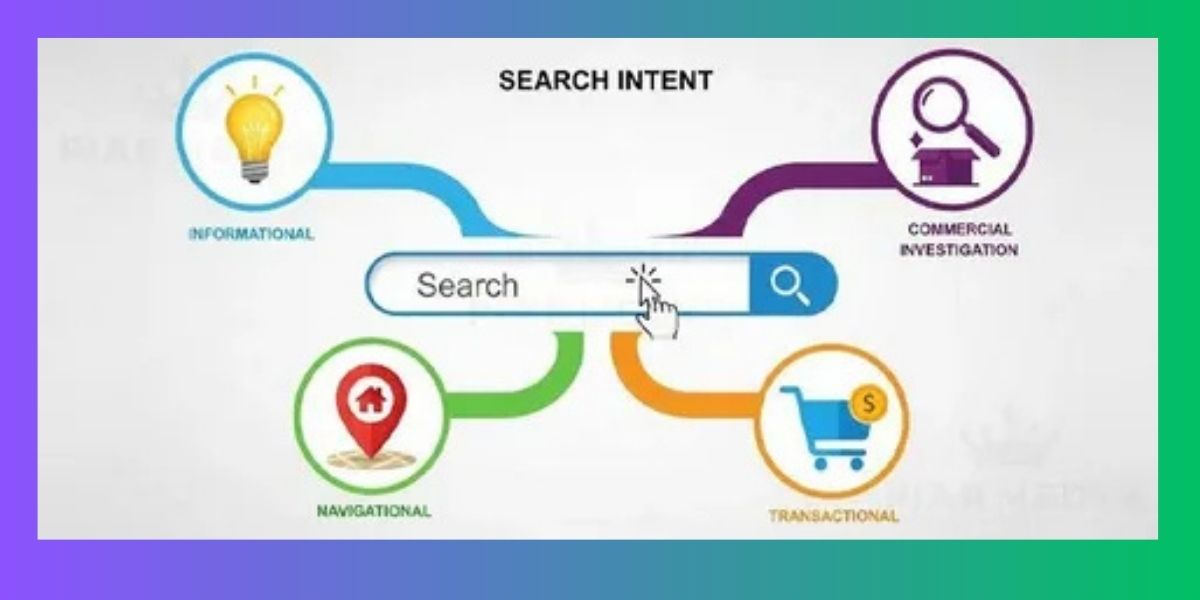
From an SEO and product-trust standpoint, this split matters because the “anonymous viewer” interpretation carries the highest risk. Instagram’s own guidance repeatedly warns users not to share credentials with untrusted third parties—an explicit signal that many sites and apps pitching “extra access” are dangerous. In Instagram’s Help Center language: “Never share your login information with any person or app you don’t trust.”
The Anonymous Viewer Angle: What People Expect vs Reality
When users chase third-party “viewer” tools, the expectation is usually simple: view Stories, posts, Reels, Highlights, followers, or profiles without logging in and without being seen. Some services market themselves as “IG viewer tools,” and at least one site in this space literally positions itself as “The best ig viewer tool for instagram stories and followers.” The marketing pitch is clarity and convenience: type a username, get content.
The reality is that public content is public, and private content is designed not to be. Even when a tool appears to show “extra,” users can’t reliably verify what is current, what is cached, what is scraped, and what is manipulated. More importantly, the cost of “convenience” is often hidden: tracking scripts, aggressive ads, data collection, and occasional outright credential theft attempts. The most defensible assumption is that any site promising special access is either limited to public data or operating in ways that create security and policy risk.
Privacy, Consent, and the Non-Negotiables
Here’s the hard line: private accounts are private by design, and attempting to bypass that privacy is unethical at best and, depending on jurisdiction and method, potentially illegal. Even if your intent feels harmless—curiosity, competitor research, relationship reassurance—trying to “get around” someone’s boundary is exactly what privacy controls are meant to prevent. In a mature digital ecosystem, consent is the operating system; without Insta PV, the platform devolves into surveillance culture.
This is also where many users get trapped by a misconception: that the existence of a tool implies legitimacy. Insta PV doesn’t. Platforms design privacy controls explicitly to resist circumvention, and Meta’s policy ecosystem emphasizes privacy protections and enforcement against privacy-violating behavior. If your use case depends on seeing private content without permission, the correct move is to request access honestly—or accept the boundary.
Security Risks and How Scams Typically Work
The most common danger pattern is credential harvesting. A site advertises anonymous viewing or “private profile access,” then asks you to log in “to verify you’re human” or “to fetch data.” That’s a red alert. Instagram’s own third-party guidance warns against handing your login info to untrusted apps and sites because it can compromise your account. Even if the site doesn’t ask for credentials, Insta PV can still attempt to fingerprint your device, track behavior, or push malicious downloads.
A second danger pattern is account restriction through suspicious activity. Instagram documents that accounts can be restricted when behavior resembles data scraping or abnormal access patterns, and Insta PV recommends removing suspicious third-party access if your account is at risk. In practical terms: the “insta pv” curiosity loop can end with a locked account, password reset cycles, or worse—if you reused passwords elsewhere.
Safer Ways to View and Research Within Instagram
If your goal is research—checking public content, tracking trends, validating what’s being posted—use the official app or web experience. You may feel “visible,” but for public content, that visibility is part of how the platform is supposed to function. If you need to reduce friction, focus on improving your workflow: saved collections, follows that you curate intentionally, and a cleaner account structure (personal vs business vs research) are safer than off-platform shortcuts.
If your goal is privacy for yourself, make your own account settings do the heavy lifting: set your account to private, manage follower approvals, and minimize what strangers can infer. The safest “viewer” is the one you don’t need—because you’ve built a process that respects boundaries and reduces risk without trying to outsmart platform protections.
“PV” as Private Message: The DM Slang Behind the Keyword
A large share of “insta pv” searches are simply people decoding slang. In many regions and language communities, “PV” is used like “DM me” or “message me privately,” especially when someone doesn’t want to discuss details in public comments. The intent is often normal: share a price, exchange contact info, or handle a sensitive question without broadcasting Insta PV.
But private messaging also changes the threat model. Comments are public and often self-policing; DMs are one-to-one and psychologically disarming. That’s why scammers push conversations into private channels quickly. If you treat PV as “move to DM,” treat that move as a moment to raise your verification standards, not lower them.
Inbox Architecture: Requests, Primary/General, and Conversation Flow
Instagram’s DM system is built to manage volume and risk: message requests exist because strangers should not land in your main inbox by default. That separation protects attention and reduces the chance you’ll accidentally engage with a malicious account. For creators and brands, the separation also enables operational clarity: high-trust threads in your main inbox, low-trust inquiries in requests, and quick triage before you commit time.
Workflow matters here. A strong DM system is not “reply fast to everything,” Insta PV “reply fast to the right things.” Create internal rules: what qualifies for a reply, what qualifies for a template response, and what qualifies for immediate restrict/block. That discipline keeps your inbox from becoming an anxiety engine, and it creates consistent user experience signals—one of the underrated drivers of trust and retention.
Creator and Brand Messaging: Response Quality That Builds Trust
Professional DMs are a growth channel when they are structured, respectful, and fast—without being robotic. The key is response design: confirm the user’s intent, clarify the next step, and remove friction. If someone asks for a price, provide Insta PV cleanly; if someone asks for availability, give a simple range; if someone is unclear, ask one precise question. That’s how you turn attention into action without spam tactics.
Instagram’s professional tooling exists to support this kind of operational approach. The professional dashboard is explicitly positioned as a place to track performance and key insights, which is where a serious creator or brand should anchor decisions rather than relying on rumor metrics or “viewer” claims. When your messaging is connected to real performance signals, you stop guessing and start optimizing.
Safety Controls: Restrict, Block, Report, and Chat Locks
If you use DMs heavily, you need default safety moves. Restrict is useful when you suspect harassment or manipulation but don’t want escalation; block is for hard boundaries; reporting is for policy violations. Instagram also supports locking chats—a feature that adds friction before someone can open a conversation on your device, which is meaningful for shared devices or high-risk environments.
The strategic point is that safety tools are not “last resort.” They are part of normal operations. In high-volume creator accounts, you should expect a percentage of inbound messages to be scams or coercive tactics; your process should be designed to handle that without emotional labor. Think like a support team: triage, categorize, act, move on.
End-to-End Encrypted Chats: Where Instagram Is Going
Instagram has been expanding end-to-end encrypted chat experiences in some contexts. In their Help Center framing, end-to-end encryption means your device locks the message while sending and Insta PV can only be unlocked by the intended recipient’s device. That’s a meaningful privacy upgrade for sensitive conversations, but Insta PV also changes expectations: moderation and recovery workflows can look different when content is encrypted.
For everyday users, the takeaway is simple: encryption helps protect conversations from interception, but it doesn’t protect you from social engineering. Scams still work when a human is persuaded to send money, share codes, or click links. So treat encryption as one layer of defense, not a permission slip to trust strangers.
“PV” as Page Views: When Marketers Mean Metrics
In marketing communities, “PV” often means page views. Some people carry that vocabulary into Instagram and use PV loosely for “views,” “profile views,” or any view-like signal. That’s where “insta pv” becomes a measurement question: “How many people saw my content, and what does it mean for growth?” The problem is that Instagram performance isn’t one metric; it’s a system.
Instagram’s guidance on Insights positions analytics as a way to learn trends across followers and content performance. In other words, the value is in patterns over time—what content increases reach, what drives engagement, what converts to follows or clicks—not in one “PV number” chased in isolation.
Reading Insights Like a Pro: Reach, Engagement, and Saves
To measure intelligently, separate exposure from impact. Exposure is reach and impressions-style signals; impact is engagement, saves, shares, replies, and profile actions. Instagram’s professional dashboard is framed around tracking performance and trends, which is exactly the mentality you want: compare time windows, spot repeatable winners, and build a content system instead of viral lottery tickets.
The most underrated signal for durable growth is saving and sharing behavior. Likes are cheap; saves and shares are intent. If you’re optimizing for long sessions and repeat views, build content that earns a second look: tutorials, checklists, myth-busting explainers, and before/after breakdowns. Those formats turn “views” into retention, which is what platforms reward over time.
Turning Views Into Outcomes: Conversion Paths That Don’t Feel Spammy
If your goal is leads, sales, or sign-ups, you need a conversion path that feels native. That usually means a clean profile bio, a consistent CTA style, and DM flows that don’t pressure people. The best DM conversion feels like help, not extraction: you identify what the person wants, you offer the shortest path to it, and you let them choose. That approach reduces drop-off and protects your brand from “pushy” signals that get screenshotted and shared.
This is where many users return to the keyword because they want “quiet research” on competitors. If you’re doing competitor research ethically, focus on public content signals and positioning, not invasive data gathering. Your advantage comes from execution quality—clarity, consistency, and service—not from trying to see what you’re not supposed to see.
Avoiding Risky Automation and Data Scraping
A major misconception is that “everyone automates, so it’s fine.” Automation and scraping behaviors are often exactly what triggers restrictions. Instagram explicitly addresses accounts being restricted for data scraping-like behavior and recommends reviewing and removing suspicious third-party access. Even if a tool promises safety, you’re still outsourcing control to something you can’t audit.
For businesses, the risk isn’t only losing access—it’s losing customer trust. If your account gets compromised and starts DM’ing people scam links, the reputational damage can outlast the technical fix. The enterprise mindset is to prioritize durable access over short-term hacks: stable growth beats unstable spikes.
Account Protection Checklist and Third-Party Access Hygiene
If you’ve ever tried a tool tied to “insta pv” searches, do a quick security reset of your account posture. First, change your password to something unique. Second, enable two-factor authentication—Instagram documents 2FA as part of its security capabilities and provides setup guidance in the Help Center. Third, review which apps and websites have access and remove anything you don’t recognize.
Also adopt the rule Instagram itself pushes: don’t share login information with apps you don’t trust. That one habit eliminates most account takeovers. Security is less about fancy tools and more about refusing the few behaviors attackers need to succeed.
Troubleshooting: When Features Don’t Show Up or Messages Fail
When something “disappears” in Instagram—Insights not showing, DMs not sending, a feature missing—don’t assume you’re banned. Often it’s eligibility (account type), rollout timing, or a cached app state. Instagram provides Help Center troubleshooting paths for Insights and professional features, which is a reminder that many “missing metrics” cases are configuration issues rather than mysterious penalties.
For DMs, failures often trace to privacy settings, message request filters, or account restrictions after suspicious activity. If your account suddenly behaves oddly—posts you didn’t make, messages you didn’t send—Instagram recommends actions like changing your password, revoking suspicious third-party access, and turning on 2FA. Treat weird behavior as a security incident, not a glitch.
Trends and Misconceptions: What People Get Wrong About Privacy Tools
The biggest misconception is that anonymity tools equal safety. They often deliver the opposite: you outsource privacy to unknown operators, which increases your exposure. Another misconception is that private accounts are “soft private” and can be viewed if you just find the right trick. In healthy platform design, privacy controls aren’t puzzles; they’re boundaries.
Messaging and privacy are trending toward stronger protections, including encrypted chat experiences and additional safety controls. That direction makes the “viewer tool” ecosystem less reliable over time, not more. The sustainable strategy is to build habits that work with platform governance: use official features, manage risk through settings, and treat off-platform shortcuts as a last resort you usually don’t need.
Conclusion
The reason “insta pv” keeps showing up in search is that it sits at the intersection of three human needs: privacy, curiosity, and performance. People want to see more, reveal less, and understand what works. The winning approach isn’t chasing shortcuts; it’s building a stable Instagram workflow: platform-native viewing, responsible DM habits, and real analytics through Insights and the professional dashboard.
If you remember one rule, make it this: don’t trade control for convenience. When you protect your account, respect boundaries, and measure the right signals, you get something better than anonymous access—you get durable results without the security hangover that so many quick fixes create.
FAQs
What does “insta pv” usually mean on Instagram?
In everyday conversation, it often means “message me privately” (similar to DM), but in search it can also refer to third-party “viewer” sites or to PV as a views-style metric, so context matters.
Is using a third-party Instagram viewer safe?
It can be risky, especially if it asks for your password or permissions; Instagram explicitly warns users not to share login info with untrusted apps or people.
Can insta pv tools really show private accounts?
Claims vary, but private accounts are designed to restrict access to approved followers; trying to bypass that is a privacy violation and can also expose you to scams and account compromise.
How do I protect my account if I already tried something related to insta pv?
Change your password, enable two-factor authentication, and remove suspicious third-party app access; Instagram’s Help Center recommends these steps when accounts show risk signs.
What’s the best way to measure “PV” or views on Instagram?
Use Instagram Insights and the professional dashboard to track reach, engagement, and trends over time instead of relying on vague PV shorthand.
How can I make DMs safer when someone says “PV me”?
Treat it like a trust checkpoint: verify who you’re talking to, avoid clicking unknown links, and use safety tools like restrict, block, reporting, and chat locks when needed.