



US Weekly: The Definitive Guide to Celebrity News, Digital Culture, and Why the Magazine Still Matters
US Weekly sits in a rare position in media: familiar enough to feel like part of the cultural furniture, yet flexible enough to keep adapting as celebrity itself evolves. For some readers, it’s the quick catch-up on relationships, red carpets, and reality TV; for others, it’s a lens on style, wellness, and the softer side of fame what stars buy, cook, wear, and post.
This article breaks down how US Weekly works as a publication and as a business, why it continues to attract audiences in a fragmented attention economy, and how readers can get the most value from it—whether you’re subscribing, researching celebrity coverage, or simply trying to understand how modern entertainment news gets made.
The Role US Weekly Plays in Celebrity Media Today
Celebrity coverage isn’t only about gossip anymore. It’s a hybrid of entertainment reporting, lifestyle inspiration, social-media translation, and cultural commentary—all delivered at the speed of the internet. US Weekly functions as a bridge between the immediacy of online chatter and the coherence of a curated editorial product, packaging the week’s celebrity narrative into a digestible storyline.
What makes this work is the publication’s ability to maintain a recognizable tone while shifting formats. A reader can encounter the brand via a headline, a social clip, a push alert, or a glossy page and still feel the same editorial “voice.” In a marketplace where outlets compete for seconds of attention, that consistency is a strategic advantage.
A Brief History and Evolution of the Brand
The celebrity press has gone through several eras: print dominance, blog disruption, social-first distribution, and now a more complex phase where platforms, creators, and publishers all compete for the same audience. US Weekly’s endurance is partly explained by timing and reinvention—repositioning itself as celebrity coverage moved from “who are they?” to “what do they mean?” to “what are they selling and signaling?”
The more important point is that the brand learned to treat celebrity as a lifestyle category, not only a news beat. That shift expanded the editorial map beyond breakups and premieres into shopping, beauty, wellness, home, and family content—topics that often deliver longer reading sessions and repeat visits because they solve real reader needs.
Editorial Voice: Friendly Access Without Losing Authority
Celebrity media can fail in two predictable ways: it becomes overly sensational and burns credibility, or it becomes too cautious and loses energy. US Weekly has historically tried to live in a middle zone—accessible, conversational, and engaging without constantly leaning on cynicism. That tone matters because celebrity news is emotionally intimate for readers; it’s about identities, aspirations, and community shorthand as much as it’s about facts.
Authority in this space doesn’t come from sounding academic. It comes from being reliably readable and responsibly framed. The best celebrity coverage recognizes that readers want both the story and the context: what happened, why it matters, and what’s just noise. When a publication signals those distinctions clearly, it earns repeat attention rather than one-time clicks.
What Readers Actually Want From Celebrity News in 2026
Readers don’t just want updates; they want interpretation that fits how they consume culture now. A relationship headline may matter less than the meta-story around it: the public narrative, the fandom reaction, the brand partnerships, and the social-media cues that turn a private moment into a public event. US Weekly competes by translating all of that into a clear, approachable storyline.
There’s also a quiet shift toward “useful entertainment.” Many people want celebrity coverage that leaves them with something practical: what to watch next, what trend to try, what product is worth it, what’s happening in reality TV, and what’s genuinely confirmed versus rumor. When celebrity coverage delivers utility, it becomes a habit rather than a guilty pleasure.
US Weekly as a Lifestyle Publication, Not Just a Celebrity Magazine
One of the most important evolutions is the movement from star sightings to star-adjacent living. Fashion roundups, beauty routines, home tours, fitness habits, and shopping edits turn celebrities into an entry point for everyday decisions. That model is effective because it meets readers where they are: curious about fame, but also managing budgets, time, and identity.
This is why US Weekly content often performs best when it connects a headline to an everyday takeaway. The celebrity angle supplies attention; the lifestyle angle supplies value. Done well, this creates a loop where readers return even when there’s no massive breaking story, because the publication still offers a satisfying browse.
Subscriptions, Access, and How to Choose the Right Reading Experience
For readers, the subscription decision usually comes down to format preference and reading rhythm. Print offers a slower, more intentional experience—less doomscrolling, more browsing, more “lean back” consumption. Digital offers immediacy, searchability, and the ability to follow specific topics in real time. If you read celebrity news as a weekly ritual, print can feel like a treat; if you follow multiple entertainment threads daily, digital is the practical option.
US Weekly also functions well as a “background companion” brand: something you dip into between bigger news cycles. That makes subscription value less about one exclusive story and more about consistent enjoyment. A good test is simple: if you already check celebrity headlines multiple times per week, subscribing can reduce friction and improve the experience.
How Digital Platforms Changed the US Weekly Playbook
Digital didn’t just speed up celebrity news; it rewired what counts as news. A single Instagram post can trigger a multi-day narrative; a TikTok can redefine a celebrity’s public image faster than any interview. In this environment, US Weekly has to compete on speed while still protecting clarity—knowing when to publish quickly and when to wait for confirmation.
The highest-performing digital strategy in entertainment media is often “distributed storytelling.” That means one core story can live as a website article, a short social post, a newsletter-friendly snippet, and a follow-up explainer, each designed for a different consumption mode. When the same story is packaged with purpose across channels, it feels helpful rather than repetitive.
The Business of Celebrity Content: Why It Still Wins Attention
Celebrity coverage remains commercially powerful because it combines broad appeal with emotional immediacy. People may disagree on politics or sports, but they can still share a reaction to a surprising casting announcement or a relationship update. That makes entertainment news uniquely “social”—not just in distribution, but in the way it fuels conversation.
For a publication like US Weekly, the business model depends on maintaining a high-volume content engine without flattening into generic coverage. The differentiator is curation: deciding which stories deserve prominence, which deserve context, and which are better treated as quick hits. The ability to curate with taste is what separates a lasting brand from a forgettable feed.
Accuracy, Sourcing, and the Thin Line Between Fast and True
The biggest credibility risk in celebrity media is treating speculation as certainty. That’s not only an ethics issue; it’s a retention issue. Readers come back when a publication consistently signals what is confirmed, what is reported, and what is merely trending. In a world where rumors can be manufactured for engagement, clear framing becomes a competitive advantage.
A useful principle in this category is simple: a “good” entertainment story makes the reader feel informed, not manipulated. As one veteran entertainment editor put it, “Trust is the currency—once you spend it on a cheap headline, you pay interest for months.” That’s why responsible entertainment coverage often includes restraint, even when the algorithm rewards the opposite.
How US Weekly Shapes Public Narratives Around Relationships and Breakups
Relationship stories endure because they’re symbolic. They’re not only about two people; they’re about modern love, status, compatibility, and public identity. When celebrity relationships become content, they also become mirrors—readers project values, fears, and ideals onto a couple’s storyline.
US Weekly participates in shaping those narratives by choosing language, emphasis, and timing. Subtle editorial decisions—how a breakup is framed, whether a rumor is elevated, which quote becomes the headline—can influence how the public interprets the story. The best coverage treats relationships as human stories rather than scorecards.
Reality TV, Influencers, and the Expanded Definition of Celebrity
The celebrity ecosystem has widened. Reality stars, YouTubers, TikTok creators, athletes, and micro-influencers can generate attention rivaling traditional Hollywood talent, often with more direct fan relationships. That changes what entertainment outlets cover and how they cover it, because the “source material” is now self-published and constant.
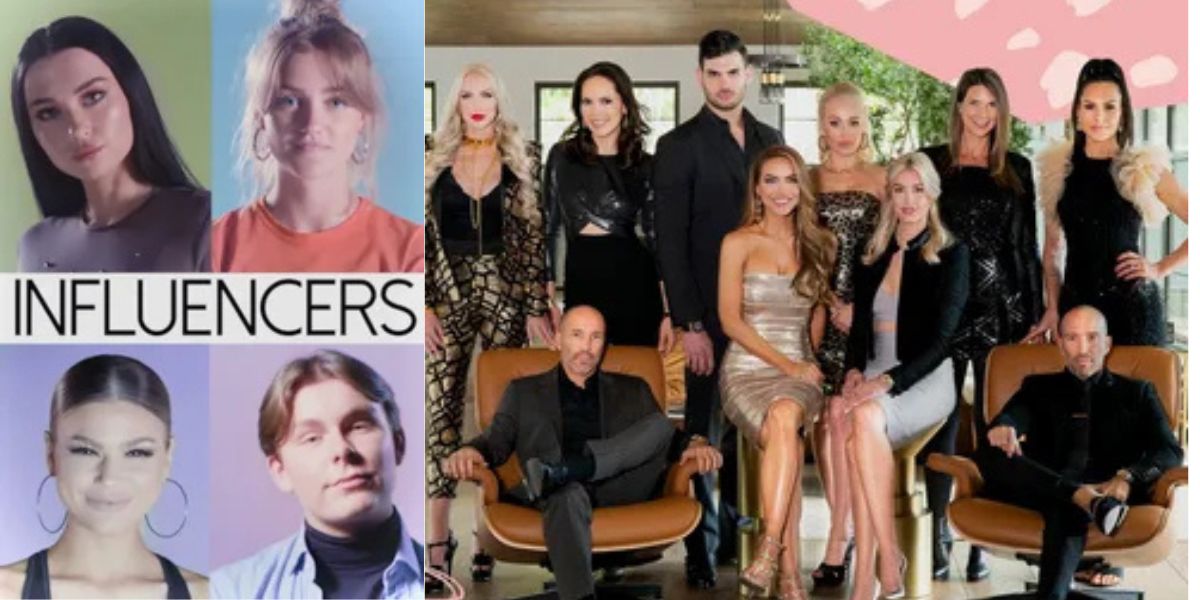
For readers, this shift creates both abundance and fatigue. The value of a brand like US Weekly is helping audiences navigate what actually matters across the expanded celebrity map. Not every viral moment is meaningful, and not every trending clip is worth an entire narrative. Filtering is increasingly the service.
A Practical Comparison: Where US Weekly Fits in the Celebrity-News Landscape
Choosing an entertainment source is often about tone, depth, and intent. Some outlets feel snarky, others feel polished, others feel deeply reported. US Weekly tends to sit in a space that emphasizes readability, fast orientation, and lifestyle overlap—celebrity news with a broad, friendly “pop culture companion” sensibility.
The table below clarifies how this category typically breaks down, so readers can match their preference to the kind of coverage they want without expecting one outlet to do everything.
| Coverage Need | What You’re Really Looking For | How US Weekly Typically Delivers | Best Use Case |
|---|---|---|---|
| Quick celebrity updates | Fast orientation and headline clarity | Timely recaps with recognizable voice | Daily check-ins, trending moments |
| Relationship narratives | Context, timelines, and human framing | Story packaging with emotional readability | Breakups, engagements, reconciliations |
| Red carpet and style | Visual browsing plus trend translation | Accessible fashion and beauty angles | Awards seasons, seasonal trend shifts |
| Reality TV ecosystem | Cast updates and plot-to-real-life links | Coverage that connects episodes to real news | Franchise fans, weekly viewing rituals |
| Lifestyle through celebrity | Shopping, wellness, home, routines | Service-style content tied to famous names | Gift guides, product curiosity, habit inspiration |
A key takeaway is expectation management. No single publication is the best at every layer—investigative depth, fashion authority, cultural criticism, and rapid aggregation. The best reader experience comes from knowing what you want and choosing the channel that matches it.
Conclusion
The future of celebrity media belongs to brands that can do two things at once: move quickly and maintain trust. US Weekly remains relevant because it treats celebrity as a living category with multiple reader motivations—curiosity, escape, style inspiration, and cultural decoding—rather than pretending one headline type can satisfy everyone.
If you read entertainment news as part of your weekly rhythm, the best approach is intentional consumption. Use the brand for what it’s good at: fast orientation, lifestyle crossover, and digestible narrative packaging. In an era where attention is constantly taxed, a well-edited pop-culture companion can be surprisingly valuable.
FAQ
What is US Weekly known for?
US Weekly is best known for celebrity and entertainment coverage that blends fast updates with lifestyle angles like style, beauty, and shopping, making pop culture easy to follow.
Is US Weekly the same as Us Magazine?
US Weekly is often referred to casually as “Us,” and many readers use the terms interchangeably, but the brand identity most people recognize today is US Weekly as a celebrity-focused weekly outlet.
How do I decide whether to subscribe to US Weekly?
If you regularly follow celebrity headlines and enjoy curated weekly storytelling, a US Weekly subscription can improve the experience by reducing friction and giving you a more organized way to keep up.
Does US Weekly cover more than celebrity gossip?
Yes—US Weekly commonly extends beyond celebrity news into reality TV, influencer culture, fashion and beauty, wellness trends, and product roundups through the lens of pop culture.
How can I read US Weekly without getting overwhelmed by celebrity news?
The best approach is to treat US Weekly like a curated browse: pick a few topics you genuinely enjoy, ignore the rest, and use it as light entertainment rather than an always-on feed.
Is US Weekly reliable for breaking entertainment news?
US Weekly can be useful for quick orientation, but the smartest reader habit is to look for clear framing—what’s confirmed versus what’s trending—especially during fast-moving celebrity stories.