



TPO Gel Polish vs Regular Gel: What is the Real Difference?
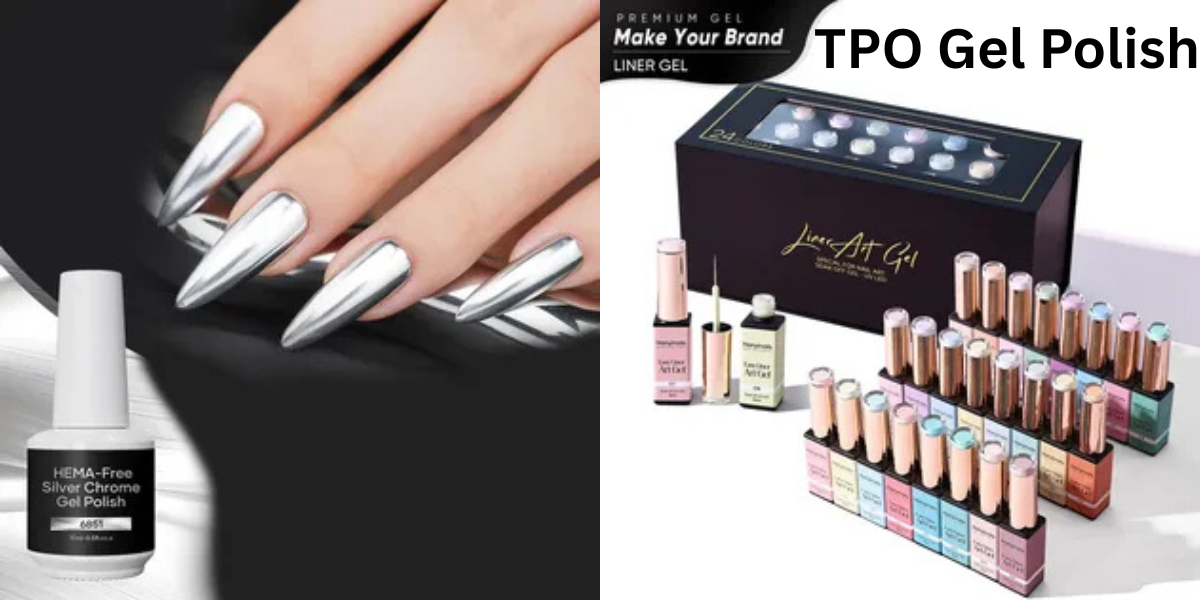
TPO Gel Polish: The nail industry is currently undergoing a massive shift in formulation standards, driven by both regulatory changes and a heightened focus on consumer safety. At the heart of this conversation is tpo gel polish, a category of products that has traditionally relied on specific photoinitiators to achieve that rock-hard, high-gloss finish we all love. As a nail professional or an enthusiast, understanding what goes into your bottles is no longer just for chemists; it is essential for maintaining long-term nail health and ensuring salon longevity.
Transitioning to advanced formulas requires a deep dive into how light-cured systems actually function on a molecular level. Whether you are curious about the hardening process or looking to audit your current kit for compliance, this guide serves as the definitive resource. We will explore the mechanics of tpo gel polish, the rise of TPO-free alternatives, and how you can navigate the evolving landscape of professional manicure products without sacrificing the performance your clients expect.
Understanding the Chemistry of TPO Gel Polish
To understand why tpo gel polish became an industry staple, we have to look at the role of photoinitiators. Trimethylbenzoyl diphenylphosphine oxide, or TPO, is a chemical compound that absorbs UV and LED light to kickstart the polymerization process. This reaction turns liquid resin into a solid, durable coating. TPO has long been favored because it is incredibly efficient, allowing for deep curing even in highly pigmented shades or thick builder gels that might otherwise remain tacky or under-cured.
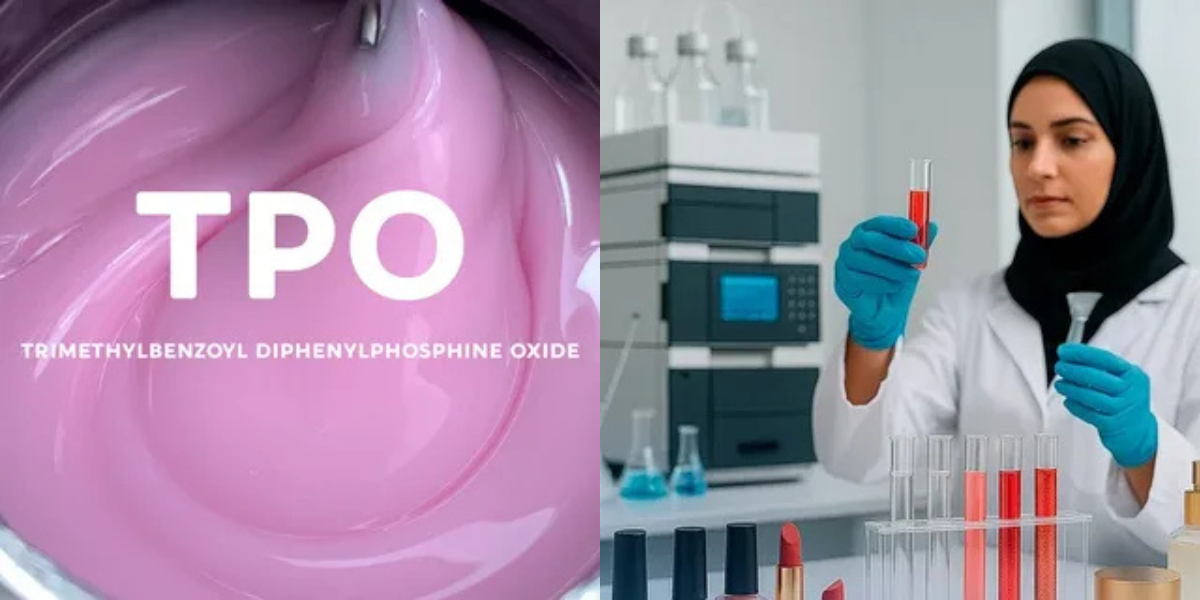
The chemical profile of tpo gel polish is specifically engineered for speed and clarity. Unlike some older photoinitiators that could leave a yellowish tint on the nail, TPO remains clear, making it the gold standard for French manicures and bright white designs. This efficiency is why many high-end brands integrated it into their core lines for decades. It provided the structural integrity needed for a fourteen-day wear cycle while ensuring the colors stayed vibrant from the moment the hand left the lamp until the next soak-off appointment.
The Functional Benefits of TPO in Manicure Systems
One of the primary reasons professionals reached for tpo gel polish was its reliability across different lamp types. Because TPO reacts across a broad spectrum of light wavelengths, it reduced the risk of “pockets” of uncured gel sitting against the natural nail plate. This complete cure is vital because uncured monomer is often the leading cause of skin sensitivities and contact dermatitis. By ensuring a thorough bond, TPO helped maintain the barrier between the chemical product and the client’s skin.
Furthermore, tpo gel polish provides a specific type of flexibility that resists chipping. When the photoinitiator works correctly, it creates a cross-linked polymer network that can withstand the daily rigors of typing, cleaning, and manual labor. This durability is what transformed the nail industry from a weekly polish change model to a multi-week service model. The strength provided by these specific chemical bonds allowed for thinner applications that looked more natural than traditional acrylics while offering comparable protection.
Regulatory Shifts and the TPO-Free Movement
The conversation around tpo gel polish changed significantly when European regulatory bodies reclassified TPO due to potential health concerns regarding its systemic impact. While the chemical is safe when fully cured and handled properly by trained professionals, the push for “clean beauty” led many manufacturers to seek alternatives. This shift has sparked a wave of innovation, forcing chemists to find new ways to achieve the same cure speed and hardness without relying on the TPO molecule.
As a result, many brands are now marketing “TPO-free” versions of their best-selling lines. This doesn’t mean the old tpo gel polish was inherently dangerous for every user, but rather that the industry is moving toward a precautionary principle. For salon owners, staying ahead of these regulations is a matter of future-proofing their business. Transitioning to newer formulas ensures that your back bar remains compliant with global standards and appeals to a demographic of clients who are increasingly scrutinizing the ingredient lists of their personal care products.
Comparing TPO and TPO-Free Formulations
When you compare a traditional tpo gel polish with a modern TPO-free alternative, the differences are often subtle but important for application technique. Newer formulas may use a blend of different photoinitiators to mimic the efficiency of TPO. This can sometimes lead to a slightly different “heat spike” sensation during the curing process. Professionals must be aware of these nuances to manage client comfort, especially those with thin or damaged nail plates who are more sensitive to the exothermic reaction of polymerization.
In terms of aesthetics, the best TPO-free products have finally caught up to the clarity of tpo gel polish. Early iterations of TPO-free gels sometimes struggled with a slight amber hue, but advanced refining processes have largely eliminated this issue. Today, you can find high-performance gels that offer the same glass-like finish and scratch resistance. The table below outlines how these two generations of products typically stack up against one another in a professional environment.
| Feature | Traditional TPO Gel Polish | Modern TPO-Free Alternatives |
| Cure Depth | High (Excellent for dark pigments) | Moderate to High (Requires specific LED) |
| Color Stability | Superior (Non-yellowing) | High (Improved with recent tech) |
| Regulatory Status | Restricted in certain regions | Generally unrestricted |
| Price Point | Standard Professional | Often slightly higher due to R&D |
| Risk of Sensitivity | Low if cured; regulated otherwise | Minimal / Optimized for safety |
Application Techniques for Optimal Results
Applying tpo gel polish correctly requires a balance of speed and precision. Because the photoinitiators are so reactive, the product can begin to thicken if exposed to ambient sunlight or strong overhead salon lighting. Professionals should always work in a controlled environment to prevent the gel from “setting” on the brush. Thin, even layers are the secret to success, ensuring that the UV light can penetrate through the pigment and reach the base layer for a secure anchor to the natural nail.

When switching between different brands of tpo gel polish, it is crucial to use the specific lamp recommended by the manufacturer. Not all LED lamps emit the same concentrated wavelengths, and a mismatch can lead to “service breakdown,” where the gel peels away in large chunks. Even if the surface feels dry to the touch, the interior could be under-cured. Taking the time to calibrate your equipment with your product line is the hallmark of an expert technician who prioritizes the integrity of the client’s nails.
The Evolution of Photoinitiators in Nail Art
The history of nail coatings is a story of continuous refinement. Long before tpo gel polish became the industry standard, technicians used simple air-dry lacquers that offered little in the way of longevity. The introduction of light-cured resins changed everything, but early versions were clunky and difficult to remove. TPO was a breakthrough because it allowed for a “soak-off” capability while maintaining a “hard gel” feel. It bridged the gap between temporary color and permanent enhancements.
Today, we see the industry moving toward even more bio-compatible options. While tpo gel polish set the bar for performance, the next generation of gels is being designed with “green chemistry” in mind. This means reducing volatile organic compounds (VOCs) and sourcing resins that are less irritating to the respiratory system. As these technologies evolve, the goal remains the same: to provide a beautiful, long-lasting manicure that supports the natural growth and health of the underlying nail plate.
Managing Heat Spikes and Client Comfort
A common phenomenon associated with high-performance tpo gel polish is the exothermic reaction, commonly known as a heat spike. This happens when the chemical bonds form rapidly, releasing energy in the form of heat. In products with high concentrations of TPO, the reaction can be so fast that it causes temporary discomfort. To mitigate this, many modern lamps feature a “low heat mode” that gradually increases the light intensity, allowing the polymerization to happen more slowly and comfortably.
Educating your clients about this process is key to a professional experience. If you are using a potent tpo gel polish, explain that a slight warming sensation is a sign that the product is hardening correctly. If a client has particularly sensitive nails, applying a thicker base coat or using a “flash cure” technique can help. By managing the curing environment, you ensure that the high-strength benefits of the gel are achieved without any negative sensory experience for the person in your chair.
Safety Standards and Professional Handling
Expertise in the nail industry requires a commitment to safety that goes beyond simple aesthetics. Handling tpo gel polish involves an understanding of chemistry and skin protection. Technicians should always wear gloves to prevent “over-exposure,” which occurs when liquid gel consistently touches the skin over months or years. Even though the cured product is inert and safe, the liquid state contains active ingredients that require respect and careful handling to avoid developing lifelong allergies.
“The transition toward TPO-free nail systems represents a significant milestone in cosmetic chemistry, prioritizing long-term user safety without compromising the high-performance durability that modern consumers demand.”
Proper storage of tpo gel polish is equally important for maintaining its shelf life. These bottles should be kept in a cool, dark place away from windows. Because TPO is so sensitive to light, even a small amount of UV leakage through a window can cause the product to clump inside the bottle. By maintaining your inventory correctly, you ensure that every application is as smooth as the first, preventing waste and ensuring that your investment in high-quality products pays off over time.
Debunking Common Misconceptions
There is a common myth that any tpo gel polish is inherently “toxic” or “bad” for the nails. This is a misunderstanding of how cosmetic regulations work. TPO is a highly effective tool that, when used within professional guidelines, produces exceptional results. The move toward TPO-free options is about evolving with new scientific data, not necessarily because the previous products were failing. It is a refinement of the craft, similar to how the automotive industry moves toward cleaner engines even when the old ones still function.
Another misconception is that TPO-free gels won’t last as long as a traditional tpo gel polish. In reality, modern polymer science has advanced to the point where the durability is nearly identical. Some TPO-free gels actually offer better flexibility, which can be an advantage for clients with brittle nails that tend to snap under the pressure of a very rigid coating. Understanding the specific strengths of each formula allows a technician to customize the service to the individual needs of the client’s lifestyle and nail type.
The Future of Gel Manicures
As we look toward the future, the influence of tpo gel polish on the market will likely continue to fade in favor of more strictly regulated ingredients. This is a positive sign for the industry, as it encourages brands to invest in research and development. We are seeing the rise of “hema-free” and “TPO-free” labels becoming as common as “10-free” or “13-free” in the world of traditional nail lacquer. This transparency empowers both the professional and the consumer to make informed choices about the products they use.

Furthermore, the technology used in tpo gel polish is being adapted for 3D printing and medical applications, showing just how versatile these light-cured resins are. In the salon, this might eventually lead to custom-printed nail enhancements or even more advanced “smart” gels that can change color or texture based on environmental factors. Regardless of the specific chemicals used, the foundation laid by the era of TPO-driven products has paved the way for a more sophisticated and science-backed approach to beauty.
Optimizing Your Salon for New Formulas
If you are currently transitioning away from tpo gel polish, the first step is an inventory audit. Check your MSDS (Material Safety Data Sheets) to see which of your current products contain TPO. You don’t necessarily need to throw everything away immediately, but you should begin trailing new formulas to see how they perform with your existing curing lamps. This transition period is an excellent time to re-educate your staff on the importance of curing times and the chemistry of the products they use daily.
Marketing your move away from tpo gel polish can also be a significant business advantage. Clients appreciate transparency and a commitment to their well-being. By highlighting that you use the latest, safest, and most compliant formulas, you position your salon as a premium destination. This “safety-first” branding can justify higher service prices and build deeper trust with your clientele, ensuring that they return to you not just for the art, but for the expert care you provide.
Conclusion
The era of tpo gel polish has defined the modern manicure, providing a level of durability and shine that was previously unimaginable. While the industry is now pivoting toward new ingredients due to regulatory shifts, the lessons learned from TPO chemistry remain foundational. As a professional or an enthusiast, staying informed about these changes is the best way to ensure beautiful, healthy results. The future of nails is brighter, clearer, and safer than ever before, as we continue to balance the art of the manicure with the rigor of cosmetic science.
FAQs
What exactly is TPO in nail products?
TPO is a photoinitiator used in tpo gel polish to help the liquid turn into a solid when exposed to UV or LED light. It is highly valued for its ability to cure thick layers and dark pigments quickly while maintaining a clear, non-yellowing finish. While it is efficient, many regions are now regulating its use in cosmetics to ensure maximum consumer safety.
Is TPO gel polish safe to use at home?
When used according to the manufacturer’s instructions, tpo gel polish is generally safe for the nails, provided it is fully cured in a compatible lamp. The main risk comes from getting uncured liquid gel on the skin, which can lead to allergies. Professionals are trained to avoid skin contact, which is why professional application is always recommended for these types of chemical systems.
How can I tell if my gel contains TPO?
The most reliable way to check if your product is a tpo gel polish is to look at the ingredient list on the bottle or the Material Safety Data Sheet (MSDS). Look for the name “Trimethylbenzoyl diphenylphosphine oxide.” If you are unsure, you can contact the manufacturer directly to ask about their specific photoinitiator blend and whether they offer TPO-free alternatives.
Why is the industry moving away from TPO?
The move away from tpo gel polish is largely due to new classifications by regulatory agencies, such as the ECHA in Europe, which labeled TPO as a substance of concern for reproductive toxicity if handled in certain ways. To stay ahead of potential bans and to meet the demand for “cleaner” beauty products, the industry is developing new ways to cure gel without this specific chemical.
Will TPO-free gel last as long as the original?
Yes, modern TPO-free alternatives are designed to match the performance of traditional tpo gel polish. While the chemistry is different, these newer gels provide the same long-lasting wear, high gloss, and chip resistance. You may just need to ensure your LED lamp is high-quality to provide the necessary energy for these new photoinitiator blends to cure effectively.