



Where Is Skechers Made? The Truth Behind the Global Shoe Brand

where is skechers made: When you slip on a pair of GoWalks or D’Lites, you are participating in a massive global logistics network that spans continents. Understanding where is Skechers made is about more than just reading a “Made in” label; it is about uncovering how a California-based lifestyle brand became the third-largest footwear company in the world. As of 2026, the brand has optimized its production to balance high-tech comfort with accessible pricing, utilizing a sophisticated web of independent contractors across Southeast Asia and beyond.
The Global Footprint of Skechers Manufacturing
To answer the core question of where is Skechers made, one must look primarily toward China and Vietnam. These two nations form the backbone of the brand’s production, accounting for the vast majority of the footwear found in retail stores globally. While the brand is proudly headquartered in Manhattan Beach, California, it does not currently operate any large-scale manufacturing facilities within the United States, preferring to leverage the established infrastructure of Asian footwear hubs.
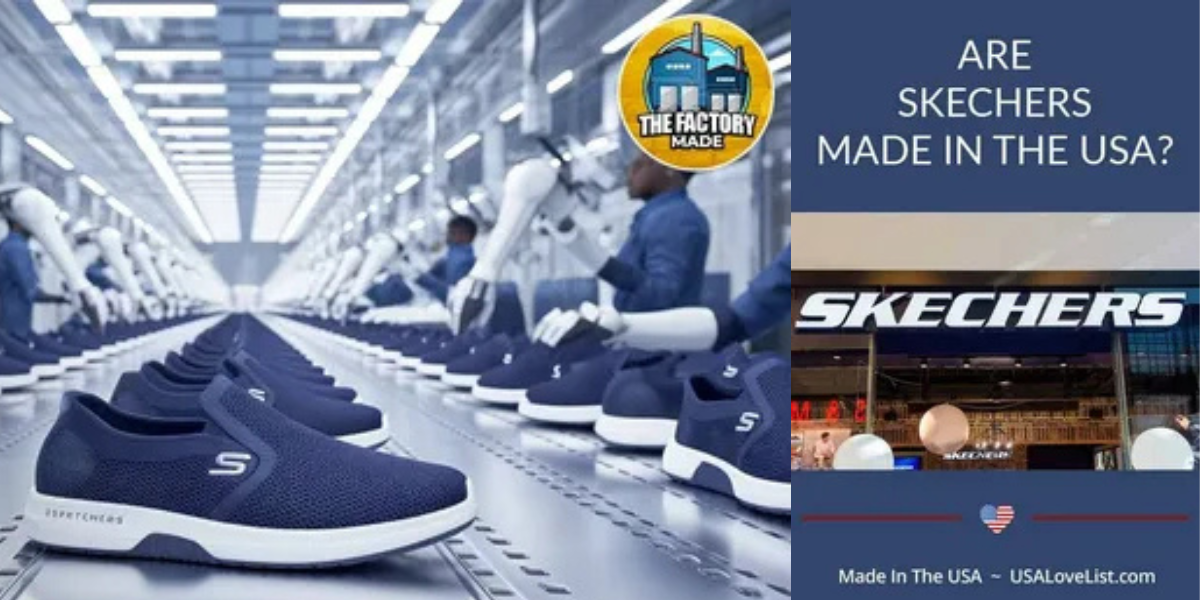
China remains a dominant force, particularly in the production of diverse lifestyle and casual ranges. Hubs like Dongguan and Putian City are instrumental, offering a highly skilled workforce and immediate access to raw materials like synthetic textiles and specialized rubbers. However, Vietnam has rapidly closed the gap, becoming the preferred site for the brand’s technical performance lines, such as the Skechers Performance and Gorun series, due to its specialized assembly expertise and favorable trade environments.
The Role of Vietnam in Performance Footwear
Vietnam has emerged as a critical answer for those asking where is Skechers made when seeking high-performance athletic gear. The country’s manufacturing sector has seen massive investment from the brand’s sourcing partners, resulting in state-of-the-art facilities that specialize in complex midsoles and breathable mesh uppers. This shift toward Vietnam is part of a broader “China Plus One” strategy, designed to mitigate risks and diversify the supply chain against regional economic fluctuations.
In regions like Binh Duong and various industrial zones near Ho Chi Minh City, Skechers utilizes independent contractors who adhere to strict technical specifications. These factories are not just assembly lines; they are centers of innovation where the brand’s signature comfort technologies, such as Hyper Burst cushioning, are integrated into finished products. This regional focus ensures that the performance-oriented consumer receives a product that meets global standards of durability and responsiveness.
China’s Continuing Dominance in Lifestyle Ranges
Despite the rise of other manufacturing hubs, China continues to be a primary location for where is Skechers made for the brand’s massive lifestyle and kids’ categories. The industrial ecosystem in Guangdong province is virtually unmatched in its ability to scale production for a brand that sells millions of pairs annually. The integration of the supply chain—where leather tanneries, lace manufacturers, and outsole molders are located within miles of each other—allows for incredible efficiency.
The brand’s presence in China is bolstered by long-standing relationships with massive footwear groups that manage several high-capacity factories. These partners provide the scale necessary to fulfill the demands of over 5,000 retail locations worldwide. While costs in China have risen, the sheer depth of the manufacturing infrastructure and the speed-to-market capabilities keep it at the center of the Skechers production map in 2026.
Emerging Markets and Supply Chain Diversification
In recent years, the search for where is Skechers made has expanded into emerging markets like Indonesia and Cambodia. These countries offer a competitive edge in terms of labor costs and are increasingly capable of handling the assembly of the brand’s more straightforward casual designs. By spreading production across multiple nations, the company protects itself from localized disruptions, whether they be environmental, political, or economic.
Indonesia, in particular, has seen a steady increase in output for the brand’s vulcanized and lifestyle sneakers. Cambodia is also playing a larger role in the final assembly stages, benefiting from international trade agreements that make it an attractive export hub for the European and North American markets. This geographic spread is a hallmark of a modern, resilient enterprise content strategy for global manufacturing, ensuring that the brand remains accessible to its “entire family” demographic.
American Design and Global Oversight
While the physical assembly happens overseas, the soul of the product remains in California. When discussing where is Skechers made, it is vital to distinguish between manufacturing and creation. Every single silhouette is conceived, designed, and prototyped at the corporate headquarters in Manhattan Beach. This ensures that even though the shoes are produced in Asia, they maintain the specific aesthetic and ergonomic standards that the American market expects.
To maintain quality across such a vast distance, the company employs a dedicated global quality control team. These professionals are stationed in the primary manufacturing regions to conduct both announced and unannounced audits. This oversight ensures that whether a shoe is coming from a factory in Vietnam or China, the “Skechers standard” for comfort, fit, and material integrity is strictly upheld before the product ever reaches a distribution center.
Sustainability and Ethical Standards in Production
A major component of the modern conversation regarding where is Skechers made involves the ethical treatment of workers and environmental impact. The brand operates under a strict Supplier Code of Conduct that governs all its third-party factories. This code mandates fair wages, safe working conditions, and the absolute prohibition of forced or child labor, aligning with International Labor Organization (ILO) standards.
Furthermore, the brand has made significant strides in sustainable manufacturing. By 2026, many of the partner factories have integrated rainwater harvesting and solar energy into their operations. The company also focuses on reducing waste during the production process, with over 90% of their shoeboxes and packaging now being 100% recyclable. This commitment to “green” manufacturing is a key pillar of their corporate social responsibility, ensuring that their global footprint is as light as their footwear.
The Logistics of Global Distribution
Understanding where is Skechers made also requires a look at how those products move from the factory floor to your front door. The brand utilizes massive, highly automated distribution centers in strategic locations. Their North American hub in Rancho Belago, California, is one of the largest LEED Gold-certified facilities in the country, showcasing their commitment to environmental efficiency even after the manufacturing phase is complete.
In Europe, the automated facility in Liege, Belgium, handles the distribution for the continent, while specialized centers in China and India manage the surging demand in the Asia-Pacific region. This hub-and-spoke model ensures that the carbon footprint of shipping is minimized through optimized routing. By placing distribution centers close to major consumer markets, the brand can maintain a rapid turnaround time, keeping their latest innovations on shelves and ready for purchase.
Why Skechers Chooses Asian Manufacturing Hubs
The decision-making process behind where is Skechers made is driven by a combination of expertise, infrastructure, and cost-efficiency. Asia has spent decades perfecting the art of mass-market footwear production. The region possesses a specialized workforce that understands the nuances of stitching complex synthetic uppers and molding varied density foams—skills that are not as readily available at scale in other parts of the world.

Furthermore, the proximity to the raw material supply chain is a massive advantage. Most of the world’s rubber, technical fabrics, and chemical components for EVA foam are produced in or near China and Vietnam. By manufacturing in these regions, the brand drastically reduces the lead times and environmental costs associated with transporting raw materials halfway across the globe for assembly.
Breakdown of Skechers Manufacturing by Region (2026)
| Country | Primary Product Focus | Strategic Role |
| China | Lifestyle, Kids, Casual, Socks | Main production hub; supply chain proximity |
| Vietnam | Performance, GoRun, Technical | Athletic specialization; trade diversification |
| Indonesia | Vulcanized, Casual Sneakers | Growing assembly capacity; labor efficiency |
| Cambodia | Basic Lifestyle, Assembly | Emerging market; export advantages |
| Brazil/Mexico | Regional Market Specials | Localized production for South/Central America |
Comparing Quality: Domestic Design vs. Overseas Assembly
A common misconception when asking where is Skechers made is that overseas production equates to lower quality. In the modern footwear industry, the opposite is often true. The factories in Vietnam and China used by major brands are among the most technologically advanced in the world. They utilize precision laser cutting, 3D printing for prototypes, and automated stitching machines that ensure a level of consistency that is difficult to achieve in smaller-scale domestic operations.
The “quality” of a shoe is determined by the specifications set in California and the rigor of the testing protocols. Before a new model is approved for mass production, it undergoes thousands of miles of “wear testing” to ensure the materials hold up under stress. The overseas factories are required to replicate the approved prototypes exactly, using the same chemical compositions for the foam and the same tensile strength for the fabrics, ensuring a uniform experience for the wearer regardless of the factory of origin.
The Future of Skechers Manufacturing Trends
Looking ahead, the answer to where is Skechers made may begin to include more automation and potentially “near-shoring” for certain markets. As robotics technology advances, the brand is exploring ways to automate the most labor-intensive parts of shoe assembly, such as the bonding of the upper to the sole. This could eventually allow for production facilities to be located closer to major markets in North America and Europe, reducing shipping times even further.
However, for the foreseeable future, the synergy between California design and Asian manufacturing remains the brand’s winning formula. The ability to pivot production based on global demand and maintain a massive variety of styles (often over 3,000 different designs at any given time) requires the unique flexibility provided by their current factory network. As the brand continues to grow toward its goal of $10 billion in annual sales, its manufacturing strategy will remain as innovative as the shoes themselves.
Conclusion
In summary, if you are wondering where is Skechers made, the answer is a dynamic and multi-layered global operation centered in China and Vietnam, with increasing support from Indonesia and Cambodia. This decentralized manufacturing model allows the brand to deliver on its promise of “Comfort Technology” at a price point that remains accessible to families worldwide. By combining American design and oversight with the unparalleled industrial capacity of Southeast Asia, the company has created a resilient supply chain that is built for the future of the global footwear market.
FAQs
Is Skechers made in the USA?
While the company is an American multinational headquartered in California, the answer to where is Skechers made does not currently include the United States for mass-market footwear. All design and corporate strategy happen in the USA, but the actual assembly of the shoes is conducted by independent contractor factories in Asia to ensure global affordability and scale.
Which country produces the most Skechers shoes?
China remains the leading producer for the brand, particularly for its vast lifestyle and children’s categories. The deep infrastructure in regions like Guangdong allows for the high-volume production necessary to meet global demand, making it the primary hub when considering where is Skechers made.
Are Skechers made in Vietnam of high quality?
Yes, the facilities in Vietnam are among the most advanced in the brand’s network. They specialize in the Performance and GoRun lines, utilizing high-tech machinery and specialized labor to ensure that these technical shoes meet the rigorous standards of athletes and casual runners alike.
How can I tell where my specific pair of Skechers was made?
To find out where is Skechers made for your specific pair, you can check the “size tag” usually located on the inside of the tongue or the heel collar. This tag will explicitly state the country of origin, which is most commonly China, Vietnam, or Indonesia
Does Skechers own the factories where its shoes are made?
Skechers does not own the manufacturing facilities; instead, they partner with expert independent contractors. This allows them to remain agile and scale production up or down based on market trends while maintaining strict oversight through their internal Corporate Social Responsibility and Quality Control teams.